
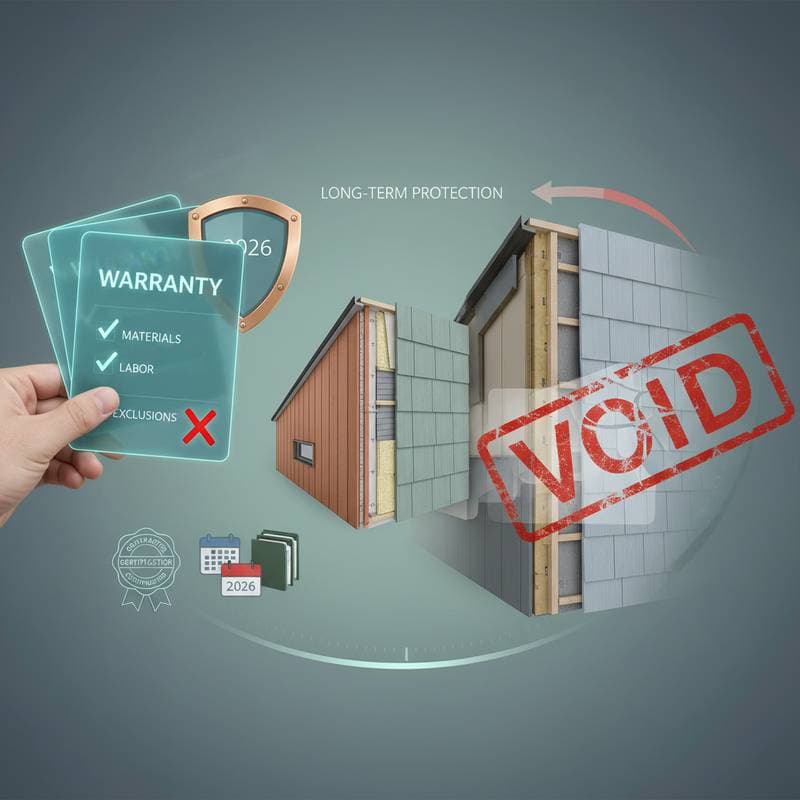
Project Timeline and Documentation Essentials
Examine warranty fine print during the bidding stage, allocating at least seven days to contrast options from multiple suppliers. After agreement, store both electronic and physical copies alongside building permits and inspection reports for easy access. This organized approach simplifies claims and demonstrates compliance if disputes arise.
Navigating Permits, Inspections, and Code Compliance
Local building codes mandate proper moisture barriers, such as house wrap or flashing, to prevent water damage. Neglecting these during installation can nullify moisture-related claims, even if the siding material performs as expected. Schedule inspections promptly and retain all reports in your warranty portfolio to prove adherence to standards.
Managing Budgets Amid Change Orders
Swapping siding profiles, colors, or attachment methods might shift warranty parameters. Insist on written documentation for every alteration, and have the contractor verify that substitutes fit within the manufacturer's approved guidelines. This prevents inadvertent breaches that could jeopardize coverage.
Initiating Claims: Repairs Versus Full Replacement
Contact the manufacturer immediately upon noticing damage, submitting photos or allowing an on-site evaluation before any fixes. Proceeding with unapproved repairs risks voiding the entire warranty, as it may obscure the root cause. Manufacturers prioritize replacements for defective materials but often limit labor reimbursements to verified installation errors.
Assessing Durability Factors in 2026 Warranties
Warranty length serves as a proxy for material resilience, yet real-world performance hinges on environmental exposure and upkeep. Focus on how products withstand local hazards to select appropriate protection.
Mitigating Weather-Related Vulnerabilities- High winds: Warranties specify tested resistance, such as 110 to 150 mph for premium vinyl or metal; exceedances in hurricane-prone areas may exclude storm damage.
- Moisture challenges: Engineered wood and fiber cement demand precise sealing at joints and edges; unpainted or uncaulked areas invite claims denials for rot or warping.
- Sun and UV degradation: Darker vinyl shades fade faster in sunny climates, with some warranties capping coverage at 10 years for color retention in intense exposure zones.
Fire Resistance and Impact Durability
Fiber cement and steel sidings inherently resist combustion, often meeting Class A fire ratings without additional treatments. Warranties affirm these properties when installed per code but disclaim liability for fire spread from neighboring structures or external causes. For impact, select hail-rated products in stormy regions; standard warranties exclude denting from debris unless specified.
Building Envelope Integration
Effective warranties require airtight integration with the home's structure. Install rainscreen gaps for ventilation, use corrosion-resistant fasteners, and layer with weather-resistant barriers. Deviations, such as generic nails or skipped underlayments, classify issues as owner oversight, forfeiting claims for resulting water infiltration.
Establishing a Maintenance Routine for Longevity
Regular care preserves both appearance and warranty standing. Adhere to this semiannual protocol:
- Gently hose off accumulated dirt and debris, avoiding high-pressure tools that could etch surfaces.
- Treat mold or algae spots with a diluted soap solution and a soft-bristle brush.
- Address paint or sealant chips right away to block moisture entry.
- Trim vegetation to maintain at least 18 inches of clearance from walls.
- Capture before-and-after images to log efforts and support future claims.
Core Warranty Obligations for Homeowners
To leverage full benefits, fulfill these foundational responsibilities:
- Activate the warranty through timely registration with proof of purchase.
- Retain invoices for all installation and accessory expenses.
- Stick to manufacturer-recommended sealants, finishes, and cleaning agents.
- Report defects promptly, allowing official assessment prior to interventions.
- Follow transfer protocols during property sales, including fee payments if applicable.
Comprehensive Maintenance Schedule
Semiannual Tasks
- Flush siding surfaces and scrutinize seams for gaps.
- Renew caulking where it has hardened or separated, and refresh paint on vulnerable spots.
- Ensure drainage systems like gutters direct water at least five feet from the foundation.
Annual Review
- Revisit warranty documentation to verify ongoing compliance with care guidelines.
- Examine attachment points for signs of loosening or corrosion.
- Maintain a digital or physical log of all inspections and actions taken.
Biennial Deep Checks
- Apply fresh coats of paint or sealant to cut edges and high-wear areas, per material specs.
- Assess surrounding foliage for abrasion risks and prune as needed.
Securing Lasting Value from Your Siding System
Robust recordkeeping transforms a standard warranty into a reliable safeguard. Compile digital archives of contracts, installation photos, and maintenance histories for quick retrieval. By aligning daily habits with manufacturer directives, you extend the siding's service life, minimizing repairs and maximizing return on your investment. This proactive stance ensures your home's exterior endures seasonal demands while upholding aesthetic and structural integrity.