
Cost Breakdown: $8 to $25 per square foot for materials and installation combined
Key Cost Factors: Selection of material, labor for removal and disposal, building height, intricate trim work, and site access challenges
Return on investment for siding replacements typically ranges from 65 to 85 percent, according to industry benchmarks, with higher yields for premium materials that elevate curb appeal and reduce long-term maintenance.
Selecting Materials and Profiles
Material selection demands careful consideration of design preferences, logistical feasibility, and performance metrics. Factors such as current stock levels, upkeep requirements, and environmental resilience should outweigh fleeting stylistic choices to ensure lasting satisfaction.
| Material Type | Expected Durability (Years) | Fire Resistance | Moisture Resistance | Maintenance Requirements | Cost Relative to Market |
|---|---|---|---|---|---|
| Vinyl | 25-40 | Low | High | Low | Low |
| Fiber Cement | 40-50 | High | High | Medium | Medium |
| Engineered Wood | 30-40 | Moderate | Moderate | Medium | Medium |
| Metal (Steel or Aluminum) | 40-60 | High | High | Low | High |
| Natural Wood | 20-30 | Low | Low | High | Medium to High |
Vinyl siding stands out for its widespread availability, even as shortages loom, although options in custom colors might diminish first. Fiber cement delivers exceptional stability over decades, effectively warding off fire damage and decay, yet its weight calls for skilled handling during installation. Engineered wood strikes a balance with its natural aesthetic and manageable weight, provided installers apply robust moisture barriers to prevent warping. Metal siding, particularly steel or aluminum variants, appeals for its extended lifespan and eco-friendly recyclability, though initial expenses run higher and proper sealing around edges proves essential to avert water intrusion.
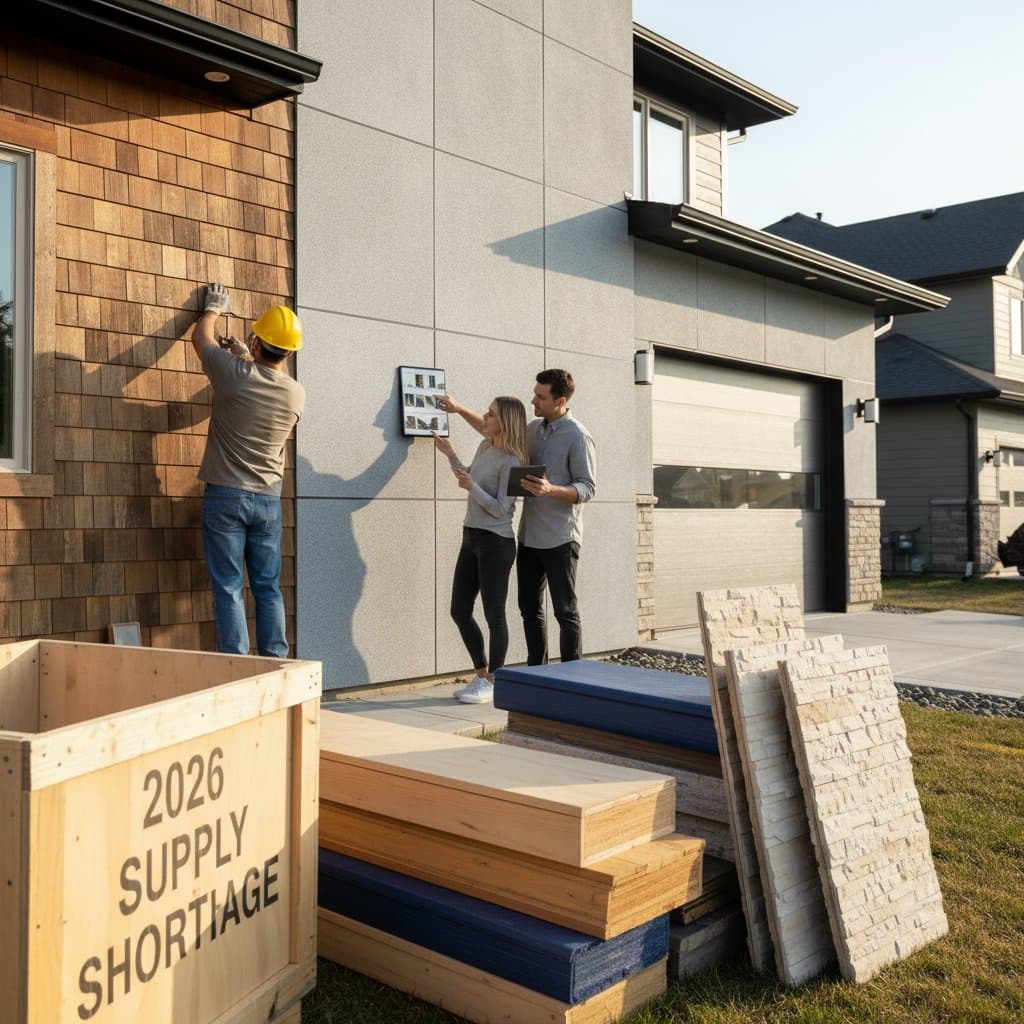
Integrating Textures Thoughtfully: Limit combinations to seamless transitions, for instance, pairing stone accents at the base with horizontal lap siding on upper levels. Restrict variations in texture and color to one or two prominent areas to preserve a unified facade. Prospective buyers value clean, continuous lines and uniform trim profiles that contribute to a polished overall appearance.
Key Insight: Consult your contractor's suppliers to verify material availability upfront. Project alterations due to substitutions frequently result in budget overruns and extended timelines.
Ensuring Superior Installation and Mitigating Risks
A robust siding installation forms a critical barrier against environmental elements, preserving structural integrity and upholding manufacturer warranties. Substandard techniques, such as erratic fastener placement or overlooked seals, invite moisture penetration, leading to repairs and diminished performance.
Identifying Frequent Installation Pitfalls
- Flashing Oversights: Absence of kick-out flashing where roofs meet walls allows water to seep into hidden areas, fostering rot over time.
- Insufficient Ground Clearance: Siding positioned too near soil levels absorbs moisture, promoting upward wicking and material degradation.
- Seam Misalignments: Uneven joints not only disrupt visual harmony but also accumulate grime, accelerating wear.
- Fastener Deterioration: Inferior nails corrode, causing discoloration on surfaces and loosening amid thermal expansion.
Best Practices for Site Preparation and Safety
- Safeguard surrounding landscapes and adjacent properties by containing debris through tarps and barriers.
- Incorporate house wrap or rain screen assemblies to facilitate moisture evaporation behind the siding.
- Ensure crews adhere to specified overlap distances and fastening patterns outlined by the manufacturer.
- Seal all exposed cut edges promptly prior to applying finishes or sealants.
Key Insight: Schedule a detailed pre-installation consultation to examine flashing placements, trim integrations, and ventilation strategies with the lead installer, setting the foundation for a flawless execution.
Choosing Contractors and Evaluating Proposals
As shortages intensify, less experienced crews may offer expedited services at reduced rates, heightening the risk of subpar work. A methodical approach to contractor selection and bid review safeguards against such pitfalls.
Essential Bid Components
- Specified material brands, gauges, and quantities
- Details on weatherproofing membranes, flashing materials, and secure fasteners
- Coverage for trim elements and specified paint or stain applications
- Outline for demolition, waste removal, and site restoration
- Inclusion of necessary permits, inspections, and compliance fees
Analyzing and Comparing Bids
Request at least three detailed proposals from licensed, insured contractors with verifiable references and portfolios of similar projects. Scrutinize each bid for line-item breakdowns, noting variances in material quality or labor inclusions. Prioritize firms demonstrating familiarity with shortage-impacted supplies, as they can propose viable alternatives without compromising standards. Calculate total costs inclusive of potential add-ons, and factor in warranties—aim for at least 10 years on materials and 5 years on labor. Red flags include vague descriptions, pressure for hasty decisions, or bids significantly below market averages, which often signal corner-cutting.
Structured Payment Milestones
Tie disbursements to verifiable progress to maintain accountability:
- Initial deposit upon contract execution and confirmation of material procurement
- Progress payment following demolition and inspection of the underlying sheathing for damage
- Balance due after final inspection, resolution of any deficiencies, and client approval
Key Insight: Document all agreements in writing, including contingency plans for supply delays, to protect your investment throughout the process.
Maintaining Your Siding Investment Long-Term
After installation, proactive care sustains the siding's performance and appearance, extending its service life. Store surplus panels from the original batch in a dry location for matching future patches, as subsequent production runs may vary in hue due to raw material shifts during shortages. Capture detailed photographs of installed sections, noting installation dates and specifications, to streamline any warranty claims or resale disclosures. Regular inspections—annually checking for loose fasteners, caulk integrity, and early signs of wear—prevent minor issues from escalating. For homeowners eyeing a sale, highlight the upgrade's contributions to energy savings and aesthetic enhancements in listing materials, potentially accelerating offers and supporting premium pricing.