
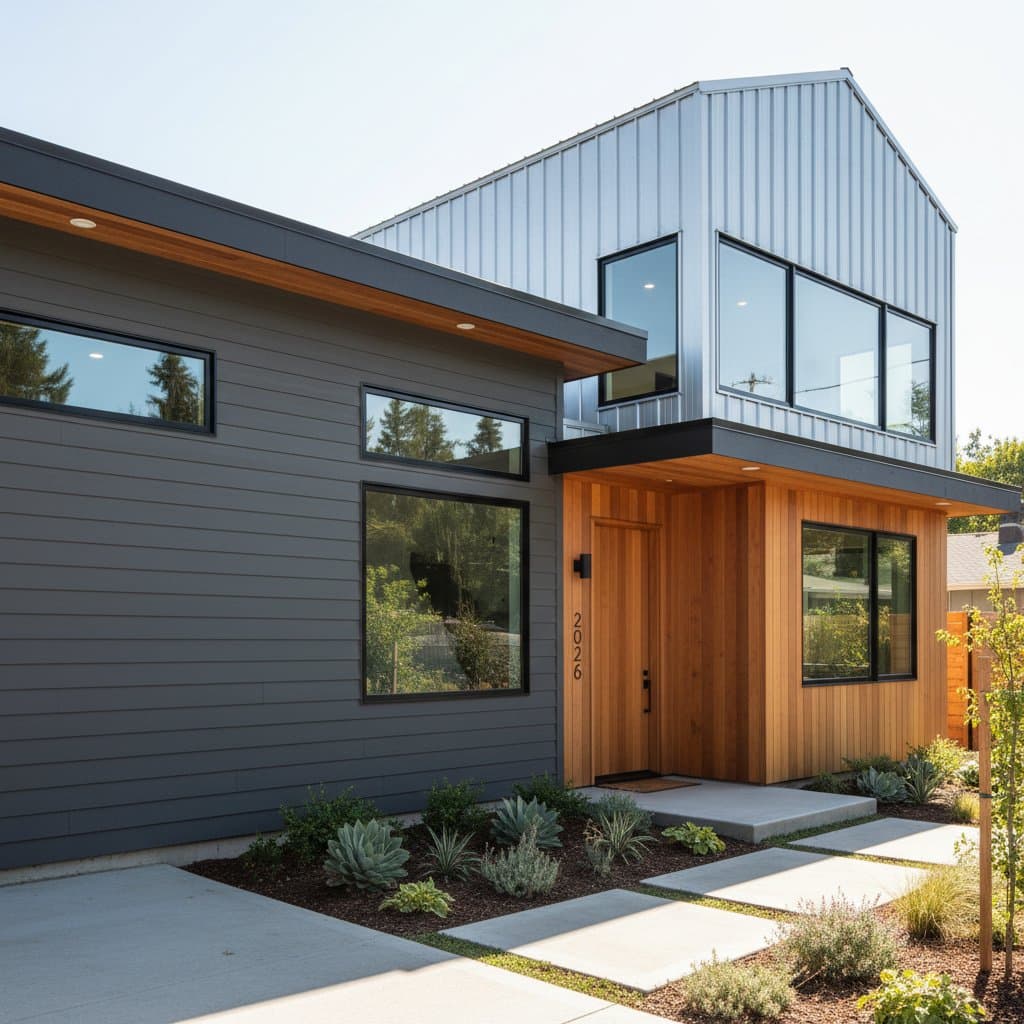
Mixed Siding Combinations Reduce Costs by 30 Percent by 2026
Homeowners seek effective methods to update building exteriors while managing budgets. Mixed siding systems integrate multiple materials on a single structure, achieving cost reductions of up to 30 percent alongside enhanced visual appeal. These savings arise from strategic use of high-durability premium materials in key locations paired with economical options in less vulnerable zones. Proper execution ensures the result appears bespoke rather than improvised, with performance that rivals or surpasses uniform premium setups.
This resource outlines the impact of mixed siding on property value, delineates typical cost frameworks, and provides guidance for designing cohesive installations that endure and enhance marketability.
Selecting Materials and Profiles
Select materials that align in terms of upkeep requirements and thermal expansion to avert future complications. Popular combinations include fiber cement paired with vinyl, engineered wood alongside metal, or natural wood accents over cement board substrates.
| Material | Pros | Cons | Maintenance |
|---|---|---|---|
| Fiber Cement | Fire resistant, dimensionally stable, extended paint lifespan | Substantial weight, elevated installation labor | Repaint every 12 to 15 years |
| Vinyl | Economical, integrated color finish | Susceptible to impact fractures | Clean annually with mild soap |
| Engineered Wood | Authentic appearance, reduced weight | Requires sealing at cut edges | Recoat every 8 to 10 years |
| Metal Panels | Contemporary style, color retention | Prone to dents, demands accurate flashing | Inspect joints annually for corrosion |
| Natural Wood | Premium warmth and texture | Demands frequent protection | Refinish every 3 to 5 years |
Assessing Durability and Resistance
Fiber cement and metal excel in moisture-heavy environments, while vinyl requires adequate ventilation to avoid moisture buildup. For fire safety, fiber cement and metal offer superior ratings; engineered wood achieves adequate protection with proper sealing. In regions prone to hail, metal and engineered wood provide stronger impact resistance than vinyl.
Integrating Textures Effectively
Pair smooth horizontal lap siding on primary walls with shingle patterns or vertical board-and-batten details on gables and entry features. Employ horizontal trim boards for seamless transitions. Restrict material variations to two per facade to maintain visual harmony.
Select pairings that harmonize aesthetics with synchronized maintenance schedules. Streamlined choices minimize disparate refinishing timelines and safeguard investment returns.
Ensuring Installation Excellence and Mitigating Risks
Mixed siding creates additional seams, increasing opportunities for water infiltration. The success of cost efficiencies hinges on meticulous installation practices that prevent costly remediation.
Essential Building Envelope Safeguards
Apply a continuous weather-resistant barrier across all substrates. Install metal or PVC flashings at material junctions and interior corners. Incorporate ventilated rain screens where building codes permit. Use appropriate backer boards at joints to ensure planar alignment.
Identifying Frequent Problem Areas
Omit flashings where vertical and horizontal sidings intersect. Leave cut edges on engineered wood unprotected. Allow nails to pierce flashing layers. Permit irregular substrates that distort vinyl or metal panels.
Managing the Worksite and Community Relations
Shield surrounding vegetation with protective coverings. Remove debris each day to avoid scattering hazardous fragments onto adjacent properties. Inform neighbors in advance about scaffolding erection and waste container positioning.
Sequence tasks precisely in mixed projects. Each specialist must understand boundaries and overlap protocols with subsequent trades. Such coordination minimizes rework and upholds warranty integrity.
Choosing Contractors and Evaluating Proposals
The expertise of the installation team proves as vital as material selection. Intricate detailing in mixed siding demands proficiency beyond standard applications.
Comprehensive Project Specifications
Detail the material inventory, including precise profiles and surface treatments. Specify flashing and moisture management protocols. Outline trim and corner finishing approaches. Include provisions for waste disposal and site restoration. Assign duties for permits and inspections.
Analyzing Competitive Quotes
Require identical project scopes from all bidders. Calculate unit costs per square foot for fair comparisons. Examine labor guarantees alongside product warranties. Steer clear of bids that appear suspiciously low due to omitted preparatory or protective measures.
Structured Payment Milestones
- Initial deposit: 10 to 20 percent to procure materials.
- Progress payment: Upon demolition completion and substrate evaluation.
- Final settlement: Following comprehensive inspection and resolution of deficiencies.
Document scopes thoroughly in writing to eliminate ambiguities. Rigorous records bolster both structural integrity and asset appreciation.
Sustaining and Benefiting from Mixed Siding
Owners of properties featuring mixed siding frequently note heightened buyer enthusiasm and diminished overall ownership expenses. The fusion of upscale textures with cost-effective bases conveys intentional craftsmanship without extravagance. Supported by consistent upkeep records, this approach positions the home as a prudent investment.
The economic rationale builds on three quantifiable advantages:
- Decreased upfront expenses through economical substitutions on subordinate surfaces.
- Shortened aggregate maintenance periods via materials with aligned service lives.
- Elevated market perception from dynamic contrasts and equilibrated aesthetics.
Preserve these gains through routine assessments, prompt caulk renewals, and preemptive finish renewals. Mixed siding represents a deliberate strategy that yields enduring style and fiscal prudence, extending value across multiple ownership cycles.