
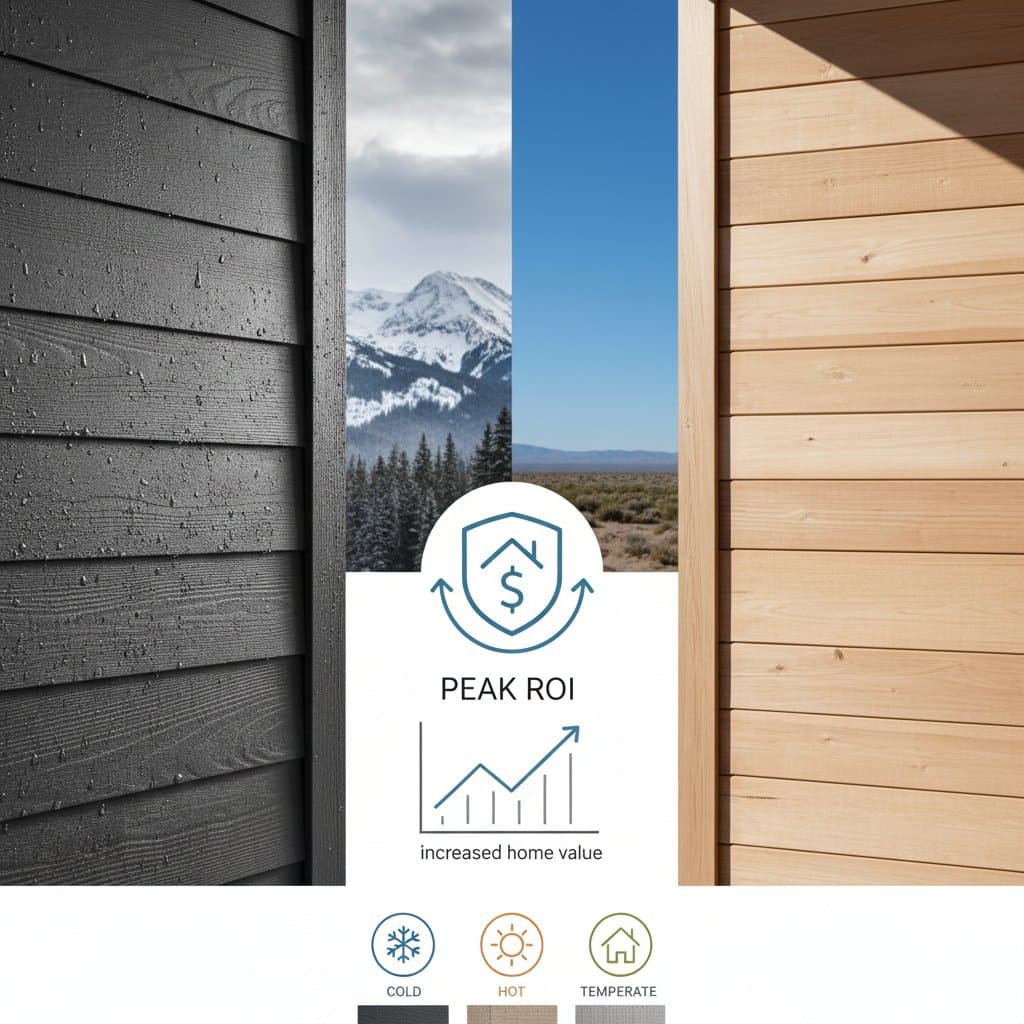
Achieving Optimal Siding ROI Through Climate-Appropriate Material Selection
Homeowners often view siding as a mere exterior upgrade, yet it serves as a critical barrier against environmental forces. The ideal choice withstands local weather patterns, preserves structural integrity, and maintains aesthetic appeal over time. By aligning siding materials with your specific climate, you enhance resale value, control long-term expenses, and reduce the need for frequent repairs. This guide provides a structured approach to evaluating options, ensuring your investment yields substantial returns.
Understanding Climate Zones and Their Influence on Siding Performance
Climates vary widely, from humid coastal areas to arid deserts and frigid northern regions. Each presents unique challenges, such as moisture buildup, extreme temperature swings, or intense UV exposure. Selecting materials that resist these conditions prevents premature degradation and maximizes durability.
Consider the primary climate categories:
- Hot and Humid Regions (e.g., southeastern U.S.): High moisture levels promote mold and rot. Opt for non-porous options like fiber cement or vinyl, which repel water and require minimal upkeep.
- Cold and Snowy Areas (e.g., northern Midwest): Freeze-thaw cycles demand thermal stability. Insulated vinyl or metal sidings excel here, offering resistance to cracking and energy efficiency.
- Arid and Sunny Climates (e.g., southwestern deserts): Intense sun causes fading and warping. Aluminum or cedar sidings with UV-protective finishes hold color longer and expand minimally with heat.
- Temperate Zones (e.g., Pacific Northwest): Moderate rain and mild temperatures suit natural materials like wood or engineered wood, provided they receive regular sealing.
Evaluate your location using resources like the U.S. Department of Energy's climate zone map. This step identifies risks such as hail in tornado-prone areas or salt corrosion near oceans, guiding material decisions that extend lifespan and boost ROI.
Evaluating Costs, ROI Potential, and Key Influencing Factors
The financial outcome of a siding project hinges on multiple elements beyond initial outlay. National data indicates that well-chosen replacements recoup 65 to 85 percent of costs upon resale, with climate compatibility pushing returns toward the upper limit. Poor matches, however, lead to accelerated wear and diminished value.
Key cost components encompass:
- Removal and disposal of existing siding, typically ranging from 1 to 3 dollars per square foot.
- Labor intensity influenced by home height, roof complexity, and site accessibility.
- Material quality, where premium climate-resistant options justify higher upfront prices through longevity.
- Additional features like insulation integration or custom trim that enhance performance.
Project scale illustrations:
- Compact single-story home (1,200 square feet): Expect 10,000 to 15,000 dollars, ideal for vinyl in moderate climates.
- Standard two-story residence (2,000 square feet): Budget 18,000 to 30,000 dollars, suitable for fiber cement in variable weather.
- Expansive or intricate designs (3,000+ square feet): 35,000 to 60,000 dollars, favoring metal for harsh conditions.
To optimize ROI, calculate total ownership costs over 20 years, factoring in maintenance and energy savings. For instance, insulated siding in cold climates can lower heating bills by 10 to 15 percent annually, amplifying financial benefits.
Enhancing Curb Appeal with Climate-Sensitive Design Choices
Visual impact drives buyer interest, often determining a property's market edge. Effective siding design harmonizes with your home's architecture while addressing climatic demands, creating an impression of quality and care.
Focus on these principles:
- Proportional Scaling: Employ wider lap siding on broad facades for balance, narrowing to finer profiles on gables or dormers to maintain elegance.
- Color Selection Aligned with Environment: In foggy, overcast areas, select cool neutrals like soft grays for a crisp appearance. Sunny locales benefit from warm tones such as terracotta or sage, tested under midday and evening light to verify fade resistance.
- Accentuating Key Areas: Highlight entrances with contrasting trim around doors and windows, paired with fiber cement boards for durability in wet climates.
- Texture Integration: Combine smooth surfaces with subtle wood-grain effects to add depth without overwhelming the eye.
Steer clear of excessive material shifts; confine accents to one focal point, like a porch soffit, to promote cohesion. Such thoughtful designs not only photograph attractively for online listings but also signal to buyers a home built for its surroundings, supporting premium pricing.
Essential Maintenance Practices for Sustained Longevity
Even the most resilient siding requires proactive care to fulfill its potential. Consistent attention preserves warranties, averts costly interventions, and upholds the investment's value.
Implement this annual routine:
- Gently wash exteriors using mild detergent and a soft-bristle brush to remove dirt and pollen.
- Examine caulk lines, seams, and joints in spring, resealing any gaps to block moisture ingress.
- Address surface fading promptly with manufacturer-recommended touch-up products.
- Maintain a 6- to 12-inch clearance from shrubs or vines to prevent trapped humidity.
- Post-storm, verify fasteners, trim pieces, and overall alignment for storm damage.
For cleaning, limit pressure washing to under 1,500 psi with a wide-angle nozzle to avoid finish erosion. Harsh chemicals or abrasive tools compromise protective coatings, particularly in corrosive coastal environments.
Warranties typically span 25 to 50 years for materials, with labor guarantees of 5 to 10 years. Retain all records and ensure transferability during home sales, as documented upkeep reassures prospective buyers of the siding's reliability.
Securing Lasting Value Through Informed Siding Decisions
Aligning siding with your climate fosters a home that performs reliably year after year. High-quality installation, coupled with materials suited to local conditions, minimizes disruptions and preserves equity. Homeowners who prioritize these elements enjoy reduced energy use, fewer repairs, and a competitive edge in the market. Consult local contractors familiar with regional nuances to tailor your project, ensuring it delivers protection, style, and financial rewards for generations.