
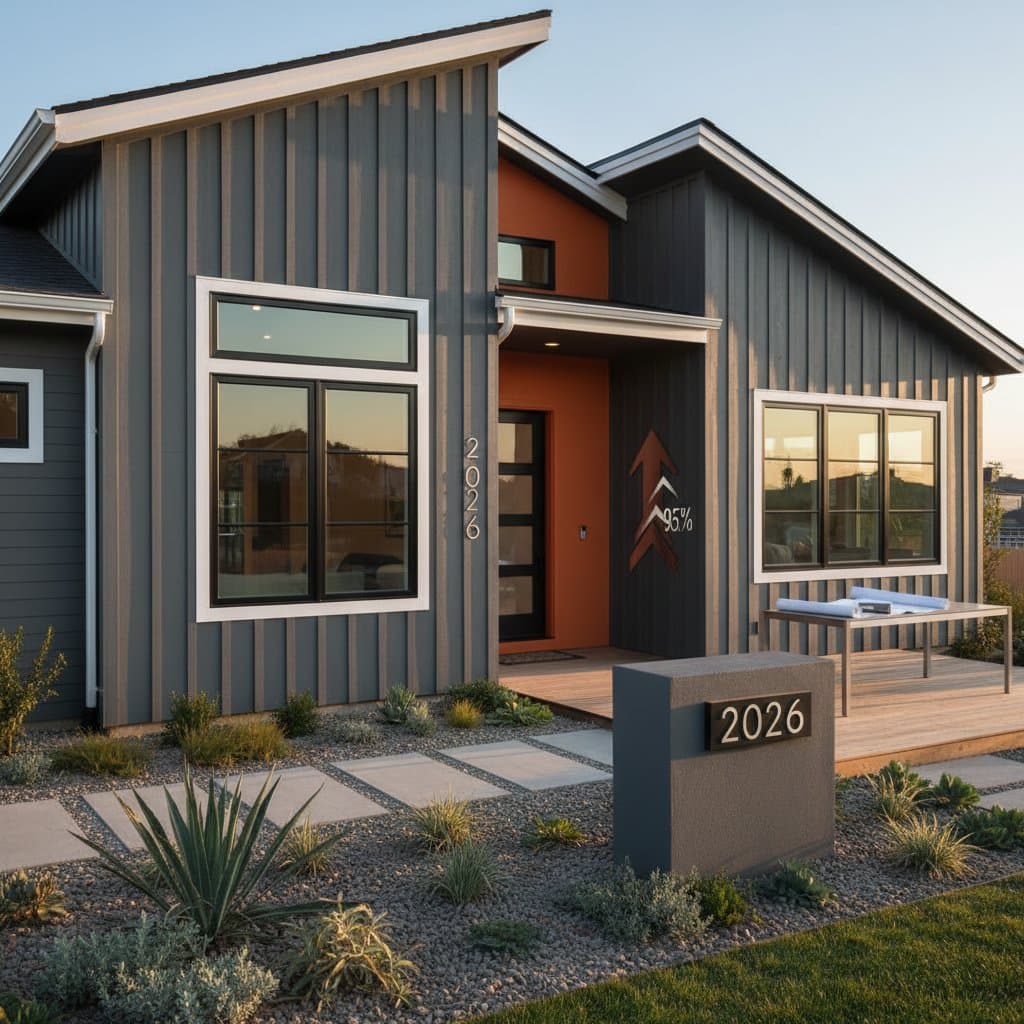
Fiber Cement Siding Returns 95 Percent at Resale in 2026
Fiber cement siding stands out as a top choice for homeowners seeking strong returns on exterior upgrades. Projections for 2026 indicate that this material recoups up to 95 percent of its cost upon resale, surpassing many other options in the market. This high return stems from its blend of durability, aesthetic appeal, and minimal upkeep requirements, making it a smart investment for long-term property value.
Homeowners often overlook how siding influences overall home valuation. Unlike fleeting trends, fiber cement offers timeless style that appeals to a broad range of buyers. As real estate markets evolve, materials that promise reliability and low maintenance gain prominence, positioning fiber cement as a leader in resale performance.
Understanding the 95 Percent ROI Projection
The 95 percent return on investment figure arises from comprehensive analyses of recent remodeling projects and market trends. Experts base this projection on data from leading cost versus value reports, adjusted for anticipated economic conditions in 2026. Fiber cement excels because it addresses key buyer concerns: longevity and visual impact.
Durability plays a central role in this high recovery rate. Engineered from a mix of cement, sand, and cellulose fibers, the material resists moisture, insects, and extreme weather without warping or fading. This resilience translates to fewer repairs over time, preserving the home's exterior integrity and boosting its market appeal.
Curb appeal further enhances the ROI. Available in various textures and colors that mimic wood or stucco, fiber cement elevates a home's facade. Buyers perceive such upgrades as premium features, often willing to pay a premium that reflects the installation cost.
Cost Factors Influencing Value Retention
Initial costs for fiber cement siding range from $10 to $20 per square foot, depending on style and regional labor rates. This investment includes materials, installation, and any necessary preparatory work like removing old siding. While the upfront expense exceeds basic vinyl options, the long-term savings justify the choice.
Factor in regional variations that affect pricing. In coastal areas prone to salt exposure, premium formulations add to the cost but enhance protection. Urban settings may require additional permits or specialized labor, yet these elements contribute to the siding's proven track record in diverse climates.
Maintenance expenses remain low, typically under $500 annually for cleaning and minor touch-ups. Professional inspections every five years ensure optimal condition, preventing small issues from escalating. These controlled costs directly support the high resale recovery by demonstrating the siding's efficiency to potential buyers.
Design Strategies for Maximum Appeal
Select designs that align with architectural styles to amplify resale value. For traditional homes, smooth or wood-grain textures in neutral tones create a welcoming entrance. Modern properties benefit from sleek, flat panels in bold yet subdued colors that highlight clean lines.
Integrate trim and accents thoughtfully. Use fiber cement for soffits, fascia, and window surrounds to maintain material consistency. This cohesive approach avoids mismatched elements that could detract from the overall aesthetic and perceived quality.
Consider energy efficiency in your design. Pair the siding with proper insulation and ventilation systems to improve home performance. Buyers increasingly prioritize sustainable features, and such integrations can push ROI beyond the baseline 95 percent.
Installation Best Practices
Proper installation forms the foundation of the siding's performance and value retention. Begin with a thorough assessment of the existing structure, including sheathing and framing integrity. Address any underlying issues, such as rot or poor drainage, to prevent future complications.
Hire certified installers familiar with fiber cement specifics. They must follow manufacturer guidelines for spacing, fastening, and sealing joints to ensure weather resistance. Cutting-edge tools, like precision saws for custom fits, minimize waste and achieve seamless results.
Incorporate protective measures during the process. Apply house wrap or building paper beneath the siding for added moisture barriers. Secure flashings around penetrations, such as vents and doors, to safeguard against water intrusion.
Payment structures help manage the project smoothly. A standard schedule includes a 10 percent deposit at contract signing to secure commitment. Follow with 40 percent upon material delivery, ensuring resources arrive on site. Release another 40 percent after installation completion, verifying quality before final payment. Retain the remaining 10 percent until final inspection confirms adherence to specifications.
Takeaway: A transparent contract with milestone payments reduces risk and keeps all parties accountable.
Long-Term Ownership Benefits
Beyond resale, fiber cement siding enhances daily living. Its fire-resistant properties provide peace of mind in wildfire-prone regions. The material also dampens noise effectively, creating a quieter indoor environment compared to thinner alternatives.
Routine care involves simple steps like annual hosing and gentle washing with mild soap. Avoid abrasive cleaners to preserve the finish. These practices extend the siding's lifespan to 50 years or more, far outlasting many competitors.
Document all aspects of the installation for future reference. Retain receipts, warranties, and photos of the work. This paperwork reassures buyers during showings, underscoring the upgrade's quality and contributing to swift sales at optimal prices.
Maximizing Returns Through Smart Choices
Approach the siding project as a comprehensive system upgrade rather than a surface-level change. Evaluate wall conditions, insulation levels, and trim durability prior to starting. Simple design selections, combined with meticulous detailing, transform the exterior into a value-adding asset.
Fiber cement siding delivers more than financial returns; it offers enduring comfort and reduced upkeep. The material's longevity ensures consistent curb appeal that impresses from the first glance. By prioritizing quality installation and maintenance, homeowners secure near dollar-for-dollar recovery in 2026 and beyond.