
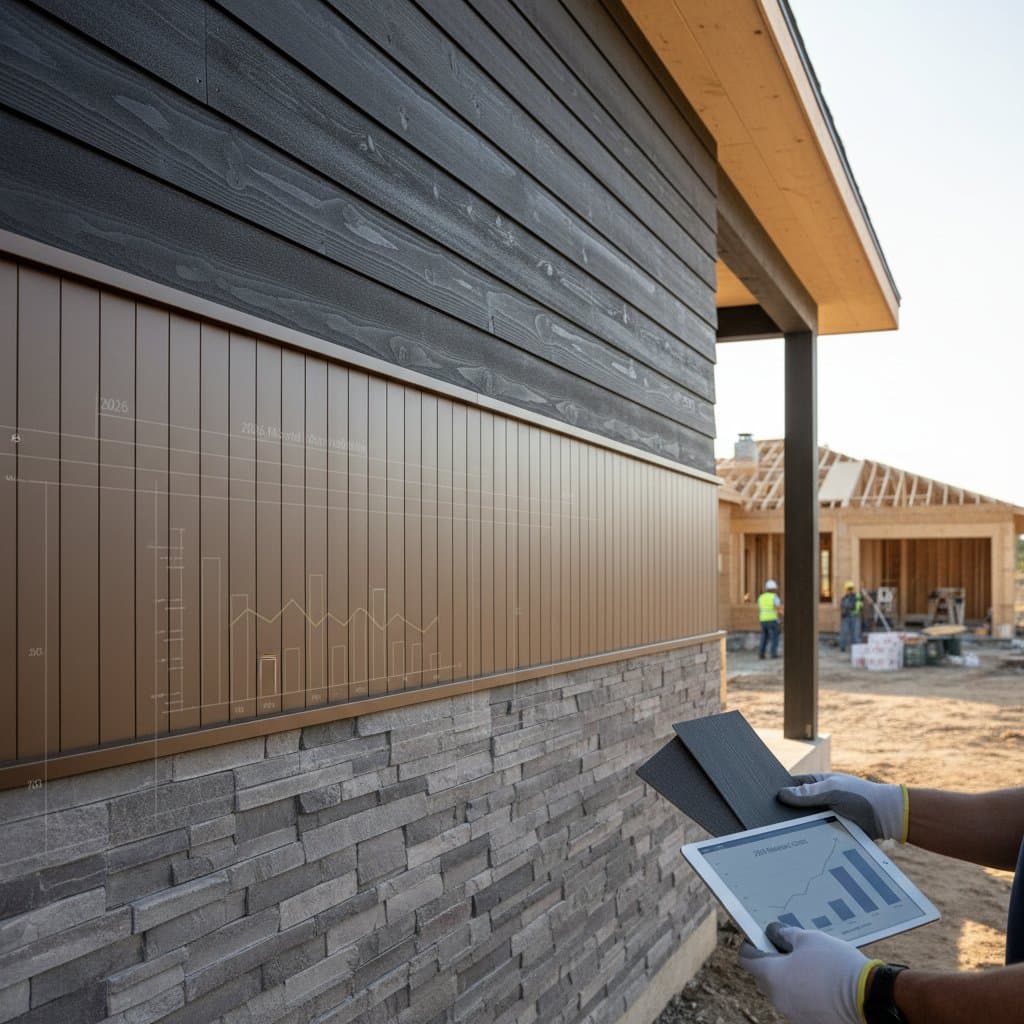
Overcoming the 2026 Siding Shortage: Intelligent Alternatives for Homeowners
Homeowners preparing for exterior renovations confront an escalating issue. Major suppliers indicate extended delivery periods and elevated costs for conventional siding materials. This shortage impacts fiber cement and vinyl options prominently. Proactive measures, including the evaluation of established alternatives, safeguard timelines and financial plans. The following sections outline viable choices that sustain value, enhance visual appeal, and align with enduring upkeep objectives.
Evaluating Costs, Returns, and Influencing Variables
A comprehensive siding replacement generally ranges from 12,000 to 45,000 dollars, influenced by material selections and project intricacies. Investments in premium replacements yield returns of 65 to 85 percent, with superior outcomes in communities where facade presentation influences marketability.
Costs per square foot:
- Vinyl: 6 to 11 dollars
- Engineered wood: 8 to 14 dollars
- Fiber cement: 10 to 16 dollars
- Metal or composite panels: 12 to 20 dollars
Primary cost influencers:
- Removal and disposal: Denser substances, such as fiber cement, elevate transportation expenses.
- Project complexity: Elements like gables, dormers, and ornamental trim extend labor requirements.
- Site accessibility: Confined spaces or elevated structures necessitate scaffolding or mechanical lifts.
- Trim integration: Additions including corner boards, window surrounds, and soffit connections increase overall expenditures.
Project scale illustrations:
- Compact undertaking (1,500 square feet): Vinyl or engineered wood selections range from 10,000 to 16,000 dollars.
- Moderate undertaking (2,200 square feet): Fiber cement or composite materials span 18,000 to 32,000 dollars.
- Extensive undertaking (3,000 or more square feet): Metal or hybrid configurations fall between 25,000 and 45,000 dollars.
Practical recommendation: Assess materials based on installed square footage rather than packaged units, and incorporate removal, weatherproofing, and flashing elements in all estimates. Obtain a minimum of three proposals featuring consistent project specifications for accurate comparisons.
Enhancing Curb Appeal Through Strategic Design
An effectively planned siding arrangement elevates perceived property worth prior to any interior viewing. Prospective buyers favor precise alignments, harmonious dimensions, and meticulous detailing that convey upkeep diligence.
Principles of massing and proportion:
Align horizontal joints with window sills or trim elements. For multistory residences, introduce material transitions or tonal variations to mitigate apparent height and foster balanced aesthetics.
Fundamentals of color selection and undertones:
Neutral warm tones appear gentler in natural light, whereas cooler grays provide defined contrast against white accents. Select a primary hue complemented by a single secondary shade. Richer or more vibrant colors conceal surface grime effectively, provided they incorporate ultraviolet-resistant coatings.
Accentuating the entryway:
A prominent entrance enhances overall value assessment. Opt for smoother textures adjacent to portals, precise trim exposures, and targeted illumination. Coordinate house numerals and postal fixtures with trim hardware finishes.
Optimizing lighting distribution:
Uniform illumination across the frontage avoids uneven nighttime imaging. Position wall fixtures to project light upward and downward, thereby highlighting siding textures.
Practical recommendation: Capture images of the facade during daytime and dusk conditions. Should alignments appear disrupted or trim elements fade, refine hue contrasts or incorporate auxiliary tones framing apertures.
Ensuring Durability Through Maintenance Protocols
Resilient siding demands periodic attention to uphold warranty terms and sustain aesthetic integrity.
Recommended cleaning procedures:
- Perform an annual rinse using a low-pressure hose and neutral cleanser.
- Refrain from pressure washing exceeding 1,500 psi on coated or composite exteriors.
- Ensure complete rinsing to eliminate residue streaks.
Preservation of surface finishes:
- Refresh coatings on fiber cement or engineered wood after 10 to 15 years, or upon detection of chalking.
- Apply resealants to untreated wood at intervals of 3 to 5 years, adjusted for environmental exposure.
- Examine sealant applications surrounding windows and trim annually in spring.
Scheduled inspections and remedial actions:
- Review for unsecured fasteners, fractured panels, or separated seams biannually.
- Address exposed hardware promptly to prevent corrosion marks.
- Maintain a clearance of at least 12 inches between foliage and exterior surfaces.
Fulfilling warranty obligations:
Manufacturers typically mandate proper installation alongside documented maintenance for claim validation. Retain duplicates of billing statements, coating purchases, and assessment records. For anticipated property transfers, such documentation bolsters purchaser assurance.
Practical recommendation: Establish recurring calendar alerts for yearly cleansing and evaluations. Routine interventions protect surface guarantees and enhance market presentation.
Sustaining Satisfaction With Informed Selections
Enduring contentment hinges on minimal upkeep demands and persistent visual performance. Choices resistant to discoloration and distortion minimize recoating frequencies and stabilize resale figures. In scenarios where shortages constrain preferred materials, assess procurement timelines prior to commitments. Occasionally, regionally available options backed by robust assurances outperform postponed high-end selections.
Forward-thinking owners coordinate installations during less demanding seasons, affording greater contractor availability. Retaining surplus panels or trim components mitigates challenges in future restorations, ensuring color and style consistency.
Strategies for Optimal Outcomes:
- Verify material delivery schedules before initiating demolition of existing siding.
- Request contractors to catalog residual supplies for subsequent applications.
- Document coating formulations and surface specifications in a dedicated residence archive.
- Image the underlying structure prior to new siding installation for future reference.
- Digitize warranty paperwork for convenient retrieval.
Securing Future-Proof Exteriors
By integrating these alternatives and practices, homeowners not only circumvent the 2026 shortage but also cultivate resilient, visually compelling exteriors. Such preparations translate to financial prudence, heightened appeal, and dependable performance over decades. Consult local experts to tailor these insights to specific regional conditions and preferences.