
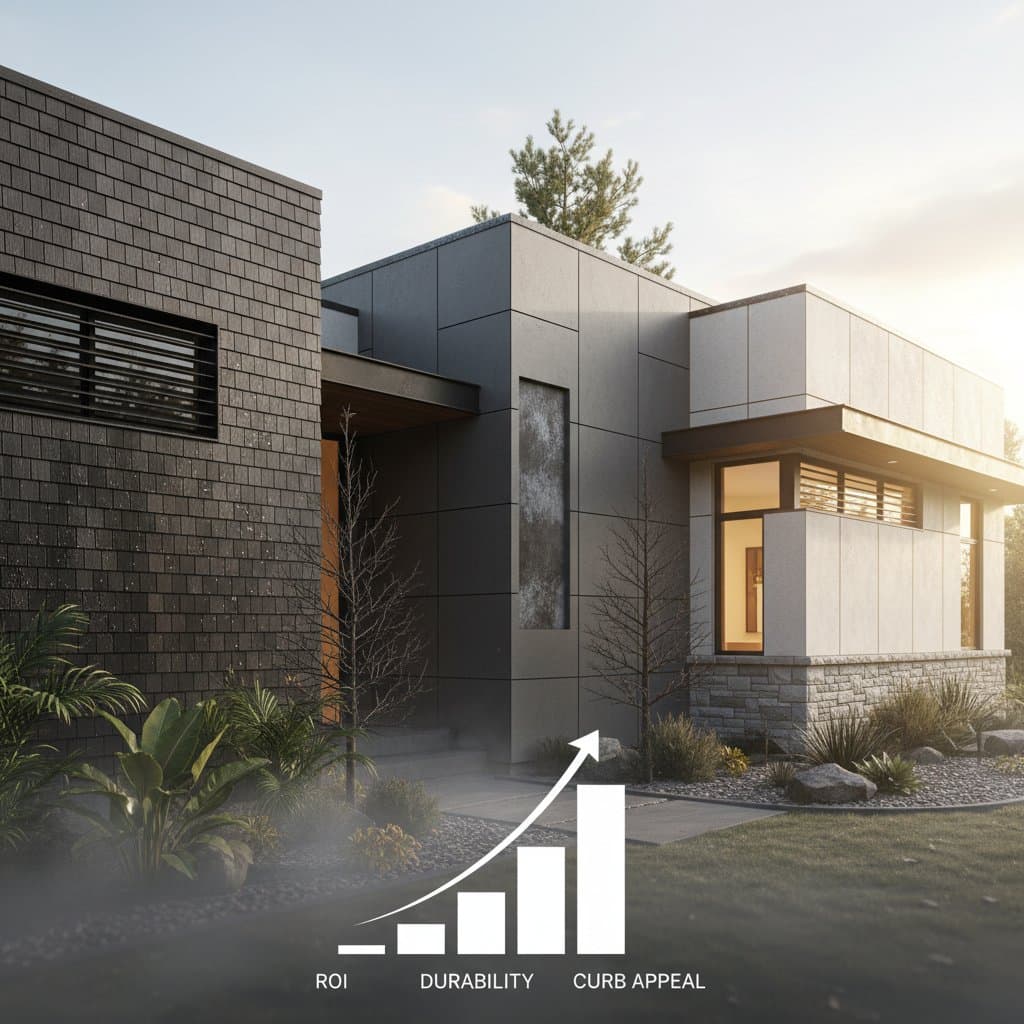
Selecting Siding for Maximum Return: Aligning with Your Climate
Homeowners often overlook how climate influences siding performance, yet this factor determines both immediate protection and future resale potential. Materials that resist local weather challenges, such as heavy rain or extreme temperature swings, maintain structural integrity and aesthetic appeal over time. By prioritizing climate compatibility, you safeguard your investment while appealing to buyers who value low-maintenance features.
Consider the broader implications: appropriate siding reduces energy loss through better insulation and prevents issues like warping or mold growth. In regions with high humidity, for instance, breathable materials prevent trapped moisture that could lead to costly repairs. This strategic approach not only extends the lifespan of your exterior but also positions your property favorably in competitive markets.
Analyzing Costs, Returns, and Key Influences
Siding installations range from budget-friendly to high-end, depending on material selection and project scope. Vinyl siding typically costs $4 to $8 per square foot installed, making it accessible for many budgets. Engineered wood follows at $6 to $10 per square foot, offering a natural look with enhanced stability. Fiber cement, prized for its resilience, averages $8 to $14 per square foot, while premium options like natural wood or aluminum can exceed $15 per square foot.
For a modest 1,500-square-foot home, expect total expenses between $10,000 and $20,000, including labor. Larger or multi-level structures with intricate designs may push costs toward $40,000 or more. These figures account for variables that can inflate budgets unexpectedly.
Primary cost components include:
- Demolition and safe disposal of existing siding materials
- Access challenges, such as scaffolding for two-story homes
- Custom trim work, including soffits, fascia, and window surrounds
- Regional labor costs, which vary from $50 to $100 per hour
- Necessary additions like house wrap or ventilation systems for moisture control
Return on investment hinges on how well the siding enhances perceived quality and reduces long-term expenses. In most U.S. markets, fiber cement recoups 75% to 85% of its cost at resale, thanks to its fire resistance and low upkeep. Vinyl provides a solid 65% to 75% return, particularly in suburban areas where affordability appeals to buyers. Natural wood might yield 60% to 80%, but only if maintenance records demonstrate diligent care; otherwise, it underperforms due to rot risks in wet climates.
Metal siding, such as steel or aluminum, offers 70% to 80% ROI in coastal or windy zones but less in traditional neighborhoods where it appears industrial. Energy-efficient choices, like insulated vinyl, add value by lowering utility bills, which savvy buyers factor into offers.
Essential insight: Align your budget with local market preferences and your home's price segment. Opt for mid-tier materials that excel in your climate, as they often outperform luxury alternatives prone to environmental wear.
Enhancing Visual Appeal Through Thoughtful Design
Effective siding design transforms a home's exterior into a cohesive statement that captivates potential buyers from the curb. Focus on elements that create harmony and highlight architectural strengths without overwhelming the structure. Subtle details, executed with precision, elevate the overall impression and contribute to higher appraisals.
Start with the foundational layout: ensure siding panels align seamlessly across the facade. Misaligned joints around eaves or gables can disrupt visual flow, making the home appear haphazardly maintained.
Core design strategies for lasting impact:
- Proportional alignment: Position horizontal siding courses to frame windows and doors evenly, creating a sense of stability and balance.
- Strategic contrast: Select trim in shades that complement the main siding, such as a subtle gray against beige, to define edges without clashing.
- Practical color selection: Choose earth tones or muted pastels that withstand fading and camouflage minor weathering, unlike stark whites that show dirt readily.
- Focal point creation: Incorporate textured or contrasting panels around the front door to draw attention and emphasize welcoming entryways.
- Illumination integration: Install pathway lights or facade washes to accentuate siding textures after dark, enhancing security and allure.
These principles ensure the exterior photographs well for listings and withstands seasonal changes. Professional installers often recommend mock-ups or digital renders to preview outcomes, avoiding regrets post-installation.
Key consideration: Designs that balance simplicity with subtle sophistication signal quality craftsmanship, which translates to premium pricing at sale.
Ensuring Durability Through Proactive Maintenance
Longevity begins with selection but relies on consistent upkeep to realize full value. Climate-matched siding withstands environmental stresses, yet neglect can shorten its service life from 30-50 years to mere decades. Establish a routine that addresses common vulnerabilities early.
In arid regions, focus on UV protection to prevent cracking; in snowy areas, prioritize ice dam prevention around roofs. Regular inspections reveal issues before they escalate, preserving warranties that typically span 25-50 years for defects.
Comprehensive maintenance schedule:
- Biannual cleaning: Use a low-pressure hose and gentle soap solution to remove pollen, salt, or pollutants that accelerate deterioration.
- Yearly evaluation: Examine seals around penetrations and touch up paint on exposed wood or cement edges to block moisture ingress.
- Biennial structural check: Tighten nails or screws and repair any gaps in joints to maintain weather-tight barriers.
- Post-event assessment: After high winds or hail, scan for dents, chips, or discoloration, documenting damage for insurance claims.
Steer clear of aggressive cleaning methods; pressure washing above 1,500 PSI risks embedding water in seams, fostering hidden rot. Instead, employ extension poles with soft-bristle attachments for safe, effective results.
Document all efforts with dated photos and receipts, as manufacturers require proof of proper care for claim validation. This practice not only upholds coverage but also builds a compelling narrative for buyers during showings.
Vital reminder: Diligent, low-effort maintenance multiplies siding's lifespan and preserves its contribution to home equity.
Realizing Sustained Benefits from Climate-Smart Siding
Integrating climate considerations into your siding decision fosters a resilient exterior that supports daily living and financial goals. Materials like fiber cement in humid zones or insulated panels in cold climates minimize drafts and repair needs, creating a more comfortable interior environment. Over time, these choices compound savings on heating, cooling, and unforeseen fixes.
Pair this with expert installation: ensure contractors verify substrate conditions and apply flashing correctly to avert water intrusion. Post-project, monitor performance seasonally to fine-tune habits.
Ultimately, a siding upgrade rooted in regional realities delivers tangible advantages. It secures your home against elemental threats, amplifies market desirability, and yields strong returns when the time comes to sell. Invest thoughtfully today for enduring protection and value tomorrow.