
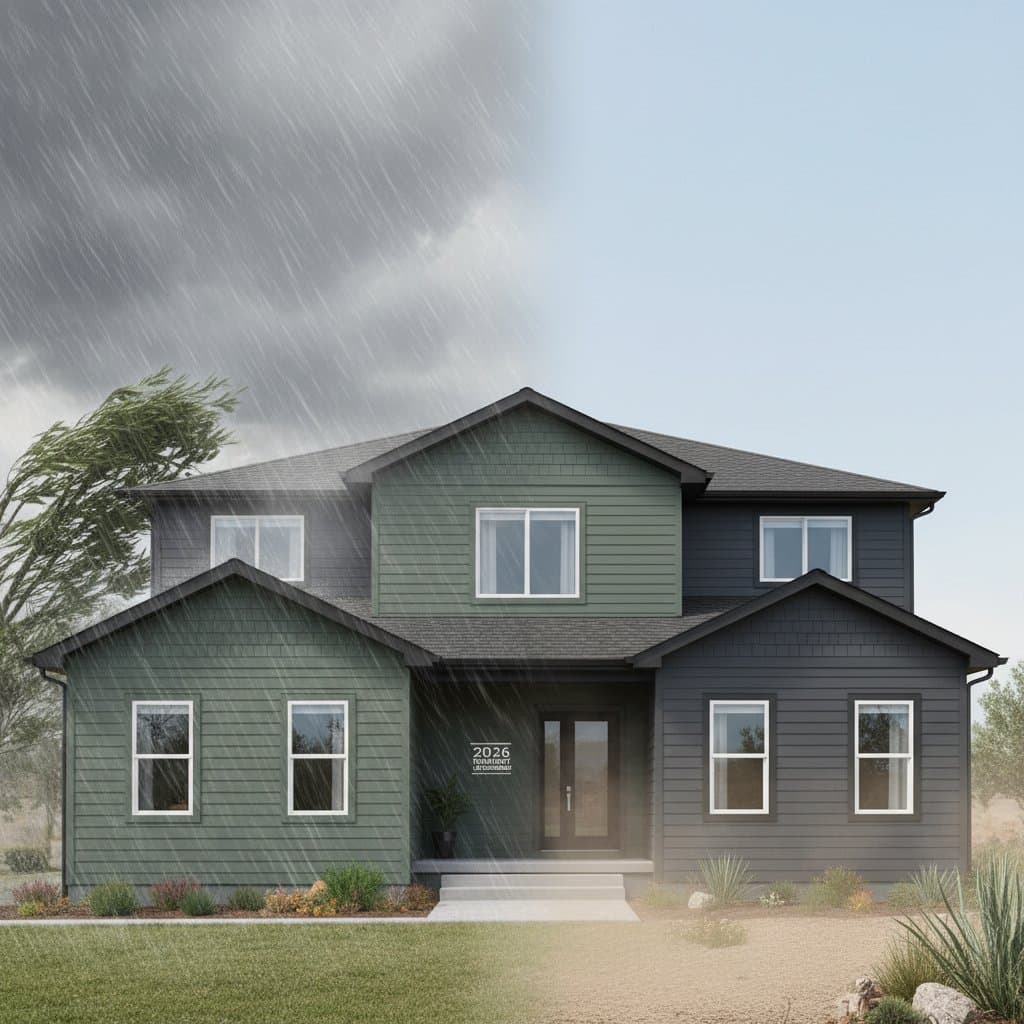
Selecting Siding for Extreme Weather Resilience in 2026
Homeowners confront increasingly severe weather patterns, including prolonged storm seasons, intense rainfall, and elevated temperatures. Effective siding protects structures from wind, moisture, and solar exposure while preserving aesthetic appeal and minimizing upkeep expenses. This guide evaluates key materials based on regional risks, installation factors, and long-term performance to assist in selecting options that maintain integrity amid harsh conditions.
Evaluating Siding Materials for Durability and Style
Choosing siding involves balancing protection against environmental stresses with visual harmony. Materials vary in resistance to impacts, thermal expansion, and moisture infiltration. Consider local climate data, such as average wind speeds or humidity levels, to prioritize features like impact ratings or UV stability.
Core Profile Options
Profiles influence water shedding and architectural fit:
- Lap siding provides overlapping layers that direct rainwater away from walls, ideal for classic or colonial designs.
- Board and batten creates vertical emphasis with concealed fasteners, suitable for rustic or contemporary exteriors.
- Shingle or shake panels offer textured depth but require adequate airflow to prevent moisture buildup.
- Panel systems deliver seamless coverage for modern, minimalist appearances.
Material Comparison
Each material presents unique strengths and limitations. The table below outlines pros, cons, expected lifespan, and approximate costs per square foot installed.
| Material | Pros | Cons | Lifespan (Years) | Cost Range (Installed) |
|---|---|---|---|---|
| Vinyl | Affordable, requires no painting, resists fading in sunlight | Becomes brittle below freezing, prone to warping in gusts over 100 mph | 20-40 | $4-8 |
| Fiber Cement | Withstands fire, impacts from hail up to 2 inches, and insects | Demands precise cutting and sealing to avoid water absorption | 50+ | $8-14 |
| Engineered Wood | Mimics natural wood grain for warmth, lighter than solid timber | Susceptible to swelling if exposed to prolonged dampness | 30-50 | $7-12 |
| Metal (Steel/Aluminum) | Excels in high-wind zones up to 150 mph, repels hail effectively | Prone to denting from heavy debris, may rust in coastal salinity | 40-70 | $6-10 |
| Composite/Polymer | Maintains color without fading, low thermal expansion | Initial investment higher, limited color variety | 40-60 | $10-16 |
Select based on site-specific needs; for example, fiber cement suits wildfire-prone areas, while metal performs in tornado alleys.
Design Integration Rules
Combine materials thoughtfully to enhance durability and aesthetics. Employ a primary siding covering 80 percent of the facade, accented by complementary elements like stone veneer at foundations or gables. Position transitions at structural breaks, such as corners or soffits, to ensure sealed joints that repel water. Opt for PVC or aluminum trim over wood to prevent decay, and coordinate hues across casings, soffits, and siding for cohesive visual flow.
Understanding Weather Risks and Safety Features
Extreme conditions challenge siding through multiple vectors. High winds exert uplift forces on edges, heavy precipitation penetrates seams, and intense heat causes material contraction and expansion cycles. Materials like fiber cement and metal demonstrate superior shape retention under these pressures, with engineered profiles reducing vulnerability.
Fire and Impact Resistance
Fire-rated sidings, such as fiber cement classified under Class A standards, limit flame spread and ignition from embers. Impact-resistant options, tested to withstand debris at 50 mph, include fortified vinyl or metal panels certified for hail zones. Verify ratings through manufacturer specifications to match local building codes in fire- or storm-vulnerable regions.
Moisture Management
Effective moisture control prevents rot in underlying sheathing. Install house wrap or rainscreen gaps of at least 1/4 inch to allow drying. Seal all penetrations with durable caulk, and choose sidings with low absorption rates, like composites under 5 percent by volume. In humid climates, integrate ventilation channels to expel trapped vapor.
Routine Maintenance Schedule
Preserve siding longevity with consistent care:
- Clean exteriors annually using a low-pressure rinse and pH-neutral cleaner to remove mildew and pollutants.
- Examine seams and fasteners biannually, reapplying sealant as needed.
- Refresh finishes on wood-based products every decade to block UV degradation.
- Secure any loosened components immediately following severe weather events.
Warranty Considerations
Most manufacturers offer 25- to 50-year limited warranties covering fading, cracking, and delamination. Coverage typically requires professional installation and adherence to care guidelines. Retain documentation of materials, labor, and inspections to facilitate claims, noting that labor warranties from contractors average 5-10 years.
Cost and Project Planning Essentials
Budgeting for siding replacement accounts for material, labor, and ancillary expenses. A complete overhaul, including removal of existing layers and addition of protective barriers, ranges from $6 to $18 per square foot. Factors like home height or site accessibility influence totals; for instance, multi-story installations demand scaffolding, adding 20-30 percent to costs.
Project Scope Overview| Aspect| Details| Estimated Time | Complexity |
|-----------------|-------------------------------------------|----------------|------------|
| Full Replacement | Includes demolition, insulation upgrade, new siding, trim, and sealing | 2-4 weeks| Moderate|
| Partial Repair| Targets damaged sections, avoids full demo but risks inconsistencies | 3-7 days| Low|
Key Cost Influences
- Structural access: Elevated or sloped sites require specialized equipment.
- Material handling: Heavier options like fiber cement necessitate additional crew.
- Customization: Premium finishes or profiles increase upfront outlay by 15-25 percent.
- Remediation: Addressing concealed damage, such as water-weakened framing, extends labor.
- Compliance upgrades: High-velocity hurricane zones mandate reinforced attachments.
Timeline and Regulatory Steps
Secure permits within the first week, allowing time for material sourcing. Demolition and preparation follow, with installation wrapping in 7-14 days barring inclement weather. Inspections focus on securement, drainage, and code adherence; maintain records for insurance and warranty purposes.
Budget Management Strategies
Request detailed breakdowns to compare apples-to-apples proposals. Fix material selections early to hedge against price fluctuations. Document approvals for scope changes, and evaluate repair feasibility: if damage affects over 15 percent of the surface or compromises the frame, opt for replacement to avoid recurring issues.
Preparing for a Successful Siding Installation
Systematic preparation ensures efficiency and quality outcomes. Align choices with objectives, whether emphasizing resilience, minimal upkeep, or stylistic enhancement.
- Establish priorities: Assess climate threats via local weather histories to guide material decisions.
- Vet professionals: Confirm credentials, financial protection, and recent project portfolios from at least three providers.
- Analyze proposals: Scrutinize inclusions like underlayment and cleanup; scrutinize omissions in low bids.
- Test aesthetics: View samples under natural light and approve a trial panel on your property.
- Prepare the site: Relocate plants, secure utilities, and designate work zones.
- Manage disruptions: Plan for noise and debris, restricting access during active phases.
- Verify workmanship: Monitor critical stages like barrier application and fastening patterns before sign-off.
Sustaining Long-Term Exterior Protection
Resilient siding forms part of a comprehensive building envelope. Integrate robust detailing, such as overlapping flashings and breathable barriers, to outlast individual weather events. Regular inspections and adaptive maintenance align with evolving climate demands, safeguarding investments while enhancing property value through enduring performance.