
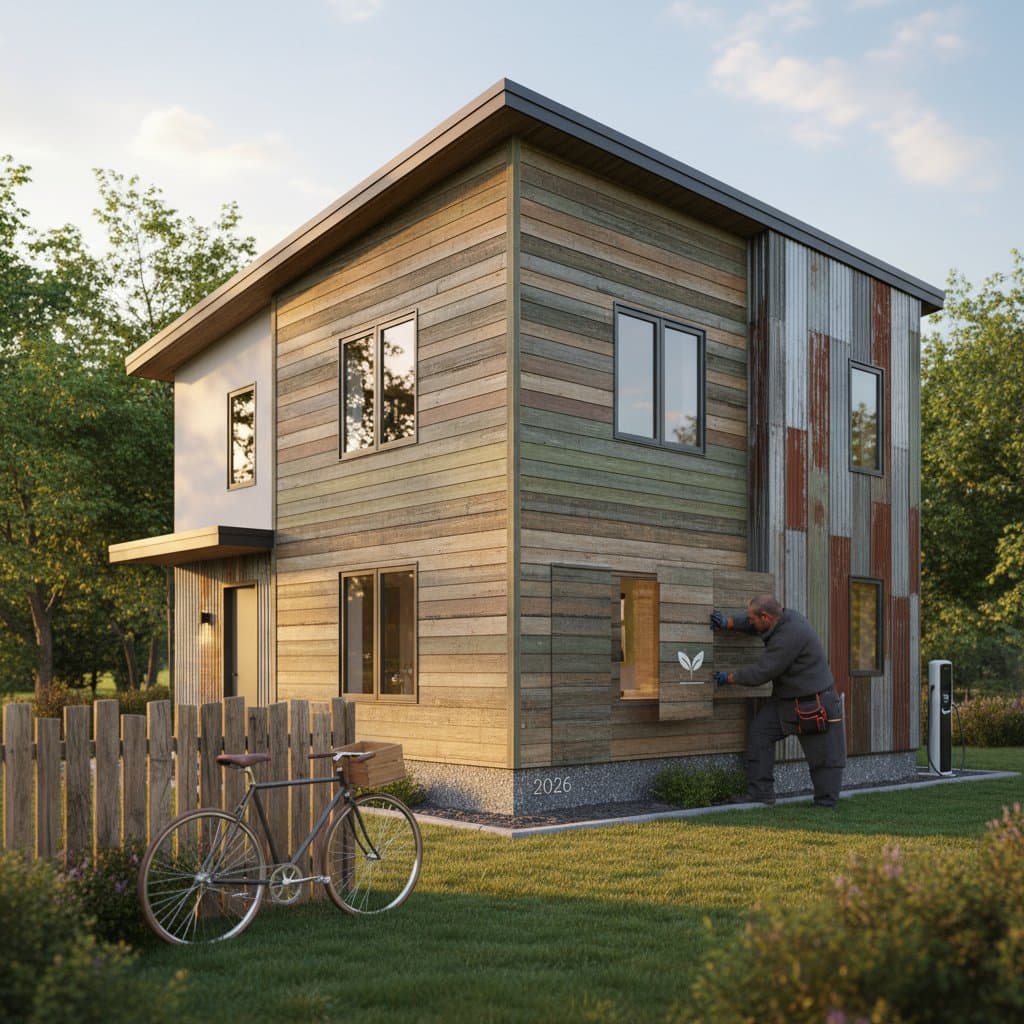
Introduction to Recycled Siding
Recycled siding represents a shift toward sustainable home exteriors, utilizing materials like reclaimed wood fibers, recycled plastics, and composite blends. These options appeal to environmentally conscious homeowners seeking to reduce waste while updating their properties. However, the true value lies in balancing initial investments against long-term performance and maintenance demands.
In 2026, recycled siding emerges as a viable alternative to traditional materials such as vinyl and fiber cement. It promises lower environmental impact through reduced resource consumption and recyclability at end-of-life. Yet, questions persist about whether the savings justify potential hidden costs in installation, upkeep, and durability.
This article examines the financial aspects, practical considerations, and real-world outcomes of recycled siding. Readers gain insights to evaluate if this green choice aligns with their budget and lifestyle needs.
Cost Analysis: Upfront and Ongoing Expenses
Recycled siding installation costs vary based on material type, home size, and regional labor rates. Basic recycled vinyl or composite panels start at $7 per square foot, including materials and labor. Premium options with enhanced weather resistance reach $15 per square foot.
Compare these figures to competitors: vinyl siding averages $5 to $12 per square foot, while fiber cement ranges from $10 to $18. Recycled variants often command a slight premium due to processing recycled inputs, yet they offset this through energy-efficient production methods.
Hidden costs may arise from preparation work, such as removing old siding or addressing structural issues. Professional installation adds $2 to $4 per square foot, emphasizing the importance of certified contractors familiar with sustainable materials. Budget an additional 10 to 15 percent for unforeseen expenses like custom trimming or insulation upgrades.
Over time, recycled siding demonstrates potential savings in energy bills. Its insulating properties can lower heating and cooling costs by 5 to 10 percent compared to basic vinyl. Long-term ROI reaches 50 to 75 percent upon resale, particularly in markets valuing green certifications.
Actionable takeaway: Obtain multiple quotes from eco-certified installers and factor in a 20-year lifecycle to calculate true cost per year.
Durability and Performance Comparisons
Recycled siding withstands diverse climates when selected appropriately. UV-resistant formulas prevent cracking in sunny regions, while moisture-repellent blends suit humid areas. Durability matches mid-grade fiber cement, lasting 25 to 40 years with proper care, though it surpasses vinyl in impact resistance from hail or debris.
Against vinyl, recycled options offer superior fade resistance and thermal stability, reducing expansion and contraction issues. Fiber cement excels in fire resistance, but recycled composites provide comparable protection with lighter weight, easing installation on older homes.
Performance hinges on quality: lower-end products may warp in extreme temperatures, leading to repairs costing $500 to $2,000. High-grade selections include built-in pest deterrents and mold inhibitors, minimizing callbacks.
In ROI terms, recycled siding boosts property value by 3 to 5 percent in eco-friendly neighborhoods. It appeals to buyers prioritizing sustainability, often shortening market time by 10 to 20 days.
Actionable takeaway: Review product specifications for ASTM standards on weather resistance and select based on your local climate zone.
Design Considerations for Maximum Appeal
Effective design maximizes recycled siding's aesthetic potential, enhancing curb appeal without overwhelming the home's architecture.
- Massing: Divide expansive wall surfaces using trim bands or corner boards to maintain proportional balance.
- Contrast: Combine lighter siding colors with darker trim accents to create visual definition, especially in photography.
- Proportion: Opt for horizontal board orientations to widen the home's appearance, or vertical panels to accentuate height.
- Color depth: Choose matte finishes that conceal minor surface imperfections more effectively than glossy alternatives.
- Entry emphasis: Highlight the front door with straightforward framing, modern house numbers, and balanced lighting.
Color selections for recycled siding have broadened significantly. UV-stable pigments maintain vibrancy for 10 to 15 years before noticeable fading occurs.
Actionable takeaway: Capture photographs of your home in natural daylight prior to finalizing color choices. Even illumination in images ensures strong presentation in real estate listings and virtual tours.
Maintenance Strategies for Longevity
Recycled siding demands moderate maintenance, positioned between the low effort of vinyl and the intensive care of natural wood.
Maintenance checklist:
- Twice-yearly cleaning: Apply mild detergent with a soft brush and garden hose. Limit pressure to below 1,200 psi to avoid surface damage.
- Annual inspection: Examine joints, trim caulk, and fasteners for wear. Address cracked sealant promptly to prevent water intrusion.
- Every 5 to 7 years: Apply manufacturer-recommended paint or topcoat to refresh protected areas.
- Post-storm review: Assess lower siding courses for debris-related impacts and repair as needed.
Most products include 25- to 40-year limited warranties against material defects, excluding installation flaws or color shifts. Retain digital records of invoices and installation images to streamline claims.
Consistent upkeep preserves uniformity and extends service life, potentially avoiding $3,000 to $10,000 in premature replacements.
Actionable takeaway: Integrate routine cleaning and sealing into seasonal home tasks to safeguard against gradual deterioration.
Maximizing Value Over Time
Treat recycled siding as an integrated exterior system for optimal results, rather than a temporary covering. Its environmental benefits amplify when the material endures without frequent replacement, often rivaling fiber cement's lifespan with reduced embodied energy.
Document installation details and maintenance history to bolster resale arguments. Prospective buyers value tangible evidence of sustainable practices beyond promotional language.
Pro tips for sustained success:
- Retain spare panels for quick repairs to small damages.
- Select neutral siding tones paired with natural trim for wide market appeal.
- Perform a gentle wash each spring to eliminate pollen and dust accumulation.
- Organize warranty documents and upkeep records in a dedicated file for easy access during sales.
Achieving Lasting Benefits
Recycled siding has matured beyond experimental status. In suitable climates with meticulous installation, it provides tangible advantages in strength, aesthetics, and overall affordability. Homeowners who prioritize maintenance and precision reap rewards in a refined exterior and elevated market position, realizing genuine savings through informed choices.