
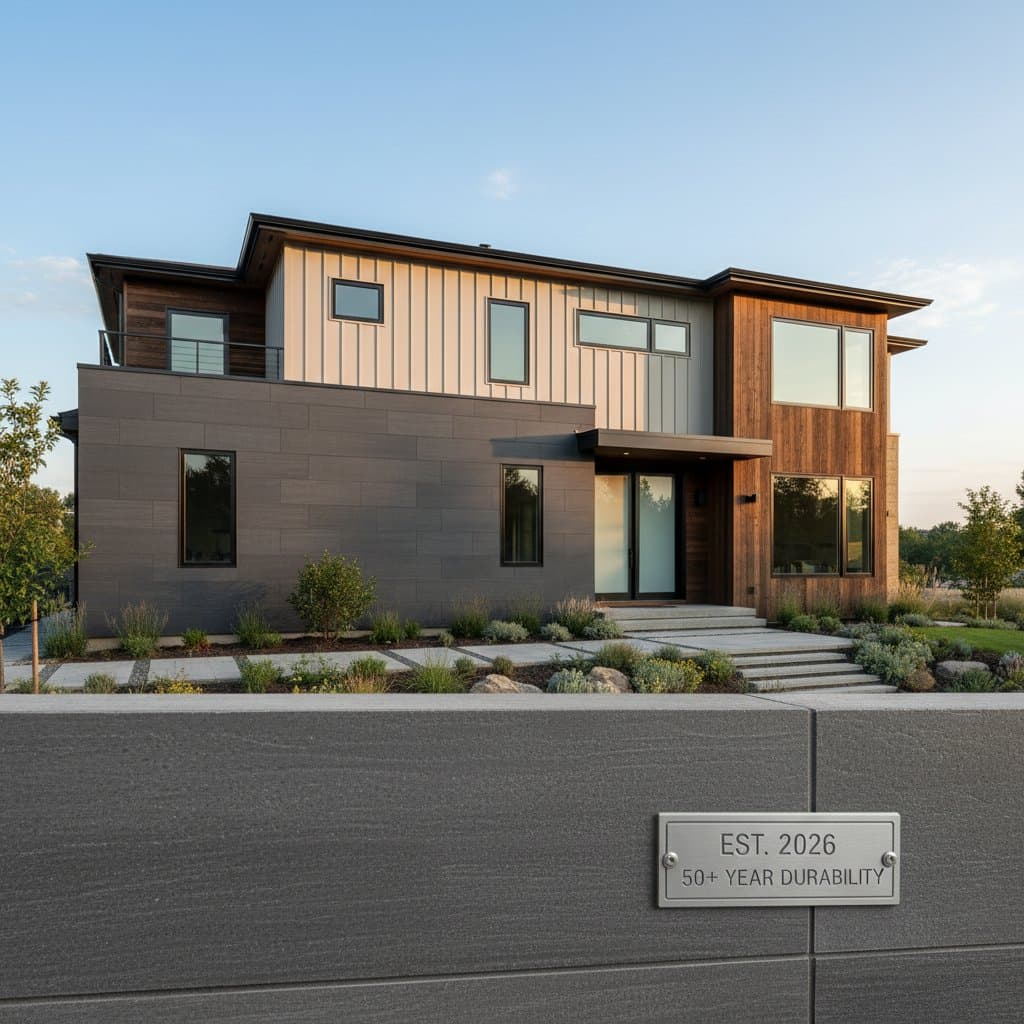
Selecting Siding for Decades of Protection in 2026
Homeowners focused on long-term value seek exterior cladding that maintains structural integrity and aesthetic appeal amid varying weather conditions. Materials capable of lasting 50 years or longer offer reduced overall expenses, minimal interruptions for repairs, and increased property value at resale. Although many products claim extended durability, only select options perform reliably in everyday environments. This guide details those materials, factors affecting their lifespan, and strategies for installation and upkeep that maximize endurance.
Evaluating Materials and Profiles
Choosing the right siding involves assessing lifespan, resistance to environmental stresses, and upkeep requirements. The following table compares key options based on performance metrics.
| Material | Lifespan Estimate | Fire and Moisture Resistance | Maintenance Level | Notes |
|---|---|---|---|---|
| Fiber Cement | 50+ years | Excellent fire resistance; strong moisture control | Low | Requires repainting every 15 to 20 years; resists pests and warping |
| Engineered Wood | 30 to 40 years | Moderate fire resistance; sealed against moisture | Moderate | Preserve finish to prevent swelling; suitable for milder climates |
| Brick Veneer | 75+ years | Highest fire and moisture resistance | Very Low | Involves high initial cost and structural considerations |
| Vinyl | 25 to 35 years | No rot; limited fire protection | Very Low | Prone to color fading and impact cracks in extreme conditions |
| Metal (Steel or Aluminum) | 40 to 60 years | Excellent fire resistance; strong moisture control | Low | Susceptible to dents; periodic repainting recommended |
Fiber cement stands out for homeowners aiming for 50 years of reliable service. Composed of cement, sand, and cellulose fibers, it withstands insects, fire, and fluctuating humidity without warping or decaying, unlike natural wood. It also retains paint and surface textures better than vinyl, which can distort under prolonged sun exposure.
Combining materials thoughtfully enhances design without compromising durability. For instance, apply fiber cement to primary walls for robustness, then incorporate engineered wood accents on gables for warmth, while restricting textures to no more than three varieties. This approach ensures visual harmony across the home's facade and facilitates appealing photography for resale listings.
Prioritize profiles that promote secure attachment and future repairs. Opt for board-and-batten or lap siding styles that integrate well with flashing systems, avoiding intricate patterns that complicate maintenance.
Key Consideration: Base selections on proven stability and long-term finish performance rather than fleeting design trends.
Installation Techniques for Maximum Longevity
The durability of siding hinges equally on material quality and installation precision. A well-prepared exterior wall assembly forms the foundation for lasting protection.
Essential installation practices include:
- Ensuring weather-resistive barriers overlap by at least six inches to block water infiltration through capillary action.
- Installing flashing over trim edges at windows and doors, rather than beneath, to direct moisture away.
- Incorporating joint spacing and flexible caulking that accommodates thermal expansion without damaging coatings.
- Positioning starter strips one to two inches above ground level to prevent soil splash and subsequent deterioration.
Frequent issues, such as inadequate joint sealing, exposed fasteners, or absent kick-out flashing where roofs meet walls, invite concealed water intrusion. Such oversights can reduce siding lifespan by 10 years or more, leading to costly mold remediation or structural repairs.
Effective site oversight contributes to success. Direct crews to safeguard nearby vegetation, minimize airborne particles, and clear waste each day. These steps prevent conflicts with neighbors and expedite permitting processes.
Key Consideration: Confirm adherence to manufacturer specifications and request photographic records of each installation stage. Such documentation supports warranty claims and bolsters home value during appraisals.
Choosing Contractors and Defining Project Scope
Selecting a qualified contractor ensures execution aligns with durability goals. Begin by compiling a detailed scope of work to guide bids and avoid misunderstandings.
Core elements of the scope include:
- Specification of siding type, thickness, and profile dimensions.
- Description of weather barriers, flashing components, and underlayment.
- Outline of trim, soffit, and fascia integrations.
- Details on priming, painting, or factory finishes.
- Provisions for waste management, recycling, and site cleanup.
- Assignment of permitting, inspections, and compliance duties.
Solicit bids from at least three licensed professionals with verified experience in long-lasting installations. Review portfolios for similar projects, inquire about warranties covering labor and materials, and verify insurance coverage. Favor contractors who demonstrate knowledge of local building codes and climate-specific adaptations.
Negotiate contracts that include milestones, payment schedules tied to progress, and penalties for delays. This structure protects your investment and promotes accountability.
Key Consideration: Prioritize transparency in bidding; a comprehensive scope reduces cost overruns by clarifying expectations upfront.
Assessing Costs, ROI, and Financial Planning
Investing in durable siding requires evaluating upfront expenses against long-term benefits. Fiber cement, for example, costs $8 to $14 per square foot installed, compared to vinyl at $4 to $7 or brick veneer at $15 to $25. While initial outlays vary, calculate lifetime costs by factoring in maintenance and replacement intervals.
Return on investment emerges through energy efficiency and property enhancement. High-durability options like fiber cement improve insulation, potentially lowering heating bills by 10 to 15 percent. At resale, premium siding boosts curb appeal, yielding 70 to 80 cents per dollar spent in added home value, according to industry benchmarks.
Budget for contingencies, such as substrate repairs or unexpected structural adjustments, allocating 10 to 15 percent of the total estimate. Financing options, including home equity loans or manufacturer incentives, can distribute costs over time while preserving cash flow.
Key Consideration: Use online calculators or consult appraisers to project ROI specific to your region and home style.
Maintenance Strategies for Sustained Performance
Ongoing care extends siding beyond its estimated lifespan. For fiber cement, inspect annually for cracks or loose panels, then repaint with high-quality exterior latex every 15 to 20 years to shield against UV degradation.
General routines involve:
- Clearing debris from weep holes and gutters quarterly to maintain drainage.
- Trimming vegetation to at least 18 inches from walls, reducing moisture buildup and pest access.
- Addressing impact damage promptly with matching patches to prevent water entry.
In harsh climates, apply protective sealants biennially and monitor for early signs of wear, such as efflorescence on masonry or corrosion on metal. Professional inspections every five years catch issues before they escalate.
Key Consideration: Integrate maintenance into seasonal home checklists; proactive habits preserve both appearance and structural value.
Enhancing Curb Appeal Through Design Integration
Durable siding contributes to lasting appeal when paired with thoughtful design. Select colors that complement neighborhood aesthetics, opting for neutral tones with subtle accents for timeless versatility.
Incorporate elements like stone bases or shutter details to elevate visual interest without overwhelming the primary material. Ensure proper lighting and landscaping frame the facade, highlighting textures and clean lines.
For modern homes, lap siding in horizontal orientations conveys sleekness; traditional styles benefit from vertical profiles that emphasize height.
Key Consideration: Consult design software or professionals to visualize combinations, ensuring harmony that endures stylistic shifts.
Securing Your Home's Future with Informed Choices
Opting for siding that withstands 50+ years transforms your home into a resilient asset. By selecting robust materials, enforcing precise installation, budgeting wisely, and committing to routine care, you minimize risks and maximize returns. This approach not only shields against elements but also elevates daily living and future marketability. Start by assessing your property's needs today to build an exterior that stands the test of time.