
- Projects covering 1,000 square feet: Range from $9,000 to $13,000, including basic removal and installation.
- Projects spanning 1,500 to 2,000 square feet: Fall between $13,500 and $28,000, accounting for moderate complexity.
- Projects exceeding 3,000 square feet: Typically cost $27,000 to $45,000, reflecting larger scale and potential custom elements.
Elements that shape expenses:
- Demolition and waste management: Older materials may require specialized handling for hazards such as lead paint or asbestos, increasing labor and disposal fees.
- Site-specific challenges: Taller walls or limited access necessitate additional scaffolding, lifts, or equipment, raising setup costs.
- Architectural details: Intricate trim work, corner treatments, or custom cuts extend installation time and material use.
- Finishing options: Factory-applied paints add upfront costs but provide superior longevity over field-applied alternatives.
- Geographic variables: Local wage standards and transportation for dense panels influence overall budgets.
Effects on property appraisal:
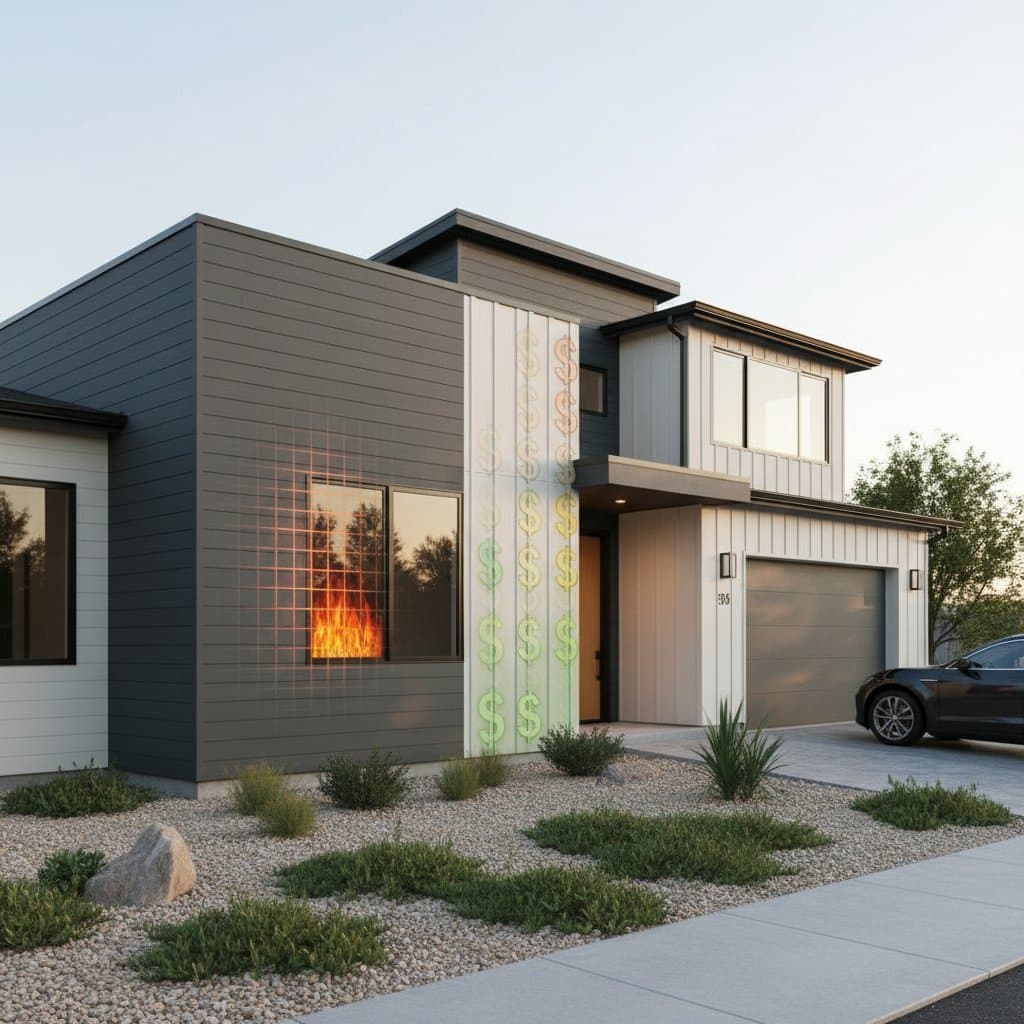
Prospective buyers value fiber cement for its association with reduced maintenance and robust build quality. This perception frequently results in bids that exceed those for properties with vinyl or composite exteriors by thousands of dollars. Additional advantages include potential insurance premium reductions due to enhanced fire protection, lowering ongoing ownership expenses.
Practical recommendation:
Consider fiber cement for replacements scheduled within the next five years to secure optimal payback. For homes with siding in good condition, targeting exposed elevations for updates can yield significant value gains without full-scale renovation.
Enhancing Curb Appeal Through Thoughtful Design
Strong curb appeal fosters a sense of pride and boosts marketability. The smooth, adaptable surface of fiber cement siding supports bold contrasts and integrates seamlessly with diverse home architectures.
Essential design considerations:
- Structural harmony: Maintain uniform course heights across walls to establish visual flow. Position window headers and trim elements to form cohesive patterns that guide the eye.
- Hue selection and subtlety: Neutral tones like medium grays or earthy taupes perform consistently under varying light conditions. Richer shades highlight surface textures yet demand more frequent refreshes.
- Focal point at the entrance: Incorporate precise trim lines, enhanced illumination fixtures, and legible addressing to elevate initial perceptions at a fraction of comprehensive siding expenses.
- Strategic differentiation: Pair light trim with darker siding panels to accentuate boundaries, or reverse for contemporary aesthetics that emphasize clean lines.
Practical recommendation:
Coordinate siding selections with roofing materials and window treatments for a unified exterior scheme. Such intentional choices enhance photographic appeal for listings and promote enduring satisfaction for residents.
Ensuring Longevity Through Proper Maintenance
Fiber cement siding demands limited intervention once properly installed. Regular cleaning and assessments safeguard appearance and performance over decades.
Recommended cleaning techniques:
- Employ a soft-bristled brush paired with a gentle soap solution, avoiding pressure washers exceeding 1,500 pounds per square inch to prevent surface damage.
- Direct water flow from upper areas downward, minimizing infiltration at seams and joints.
- Steer clear of harsh abrasives that could mar protective coatings.
Scheduled evaluation timeline:
- Annually in spring: Review sealant applications and metal flashing for signs of wear or separation.
- Biennially or triennially: Assess paint integrity for indications of degradation, such as powdering or discoloration.
- Post-severe weather events: Inspect for fractures from impacts or displaced components.
Preventive measures:
- Address small sealant voids promptly to block moisture penetration and potential rot.
- Apply topcoats to primed sections within six months of exposure if factory finishes are absent.
- Opt for complete board replacements over partial repairs to maintain uniform strength and aesthetics.
Warranty adherence:
Producers guarantee core material stability for 25 to 50 years and surface treatments for 15 to 25 years. Compliance requires documentation of professional installation and consistent care records to validate claims.
Maintenance Checklist
- Perform gentle washing of surfaces two times annually.
- Evaluate sealant conditions once each year.
- Apply touch-up paint where fading occurs.
- Verify flashing integrity following intense precipitation.
- Maintain a two-foot clearance between siding and surrounding foliage.
Practical recommendation:
Dedicated checks represent under one percent of total project investment yearly, yet they sustain peak condition and resale worth.
Maximizing Benefits Over Time
Selecting fiber cement siding aligns with forward-thinking home improvements. This choice not only withstands environmental demands but also appreciates in value through enhanced safety and style. Homeowners who integrate these elements experience reduced worries and elevated equity. For sustained success, consult certified professionals early to tailor solutions to specific needs and regional climates.