
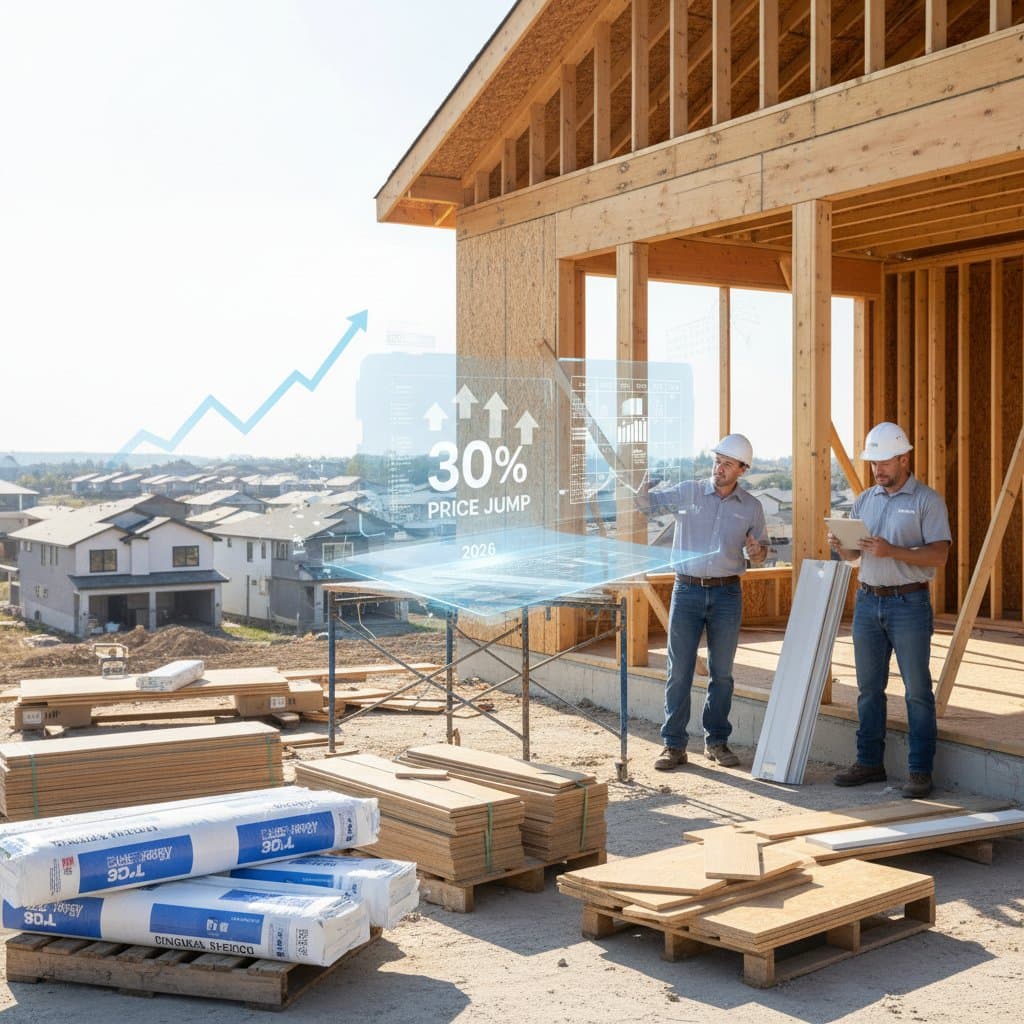
Anticipate the 2026 Siding Shortage: Expect a 30 Percent Price Increase
Homeowners who plan exterior renovations should monitor developments in the siding market closely. Industry forecasts and insights from contractors indicate a significant price escalation of approximately 30 percent for major siding types, including vinyl, fiber cement, and engineered wood. Factors such as restricted access to raw materials, logistical bottlenecks in transportation, and sustained demand from the housing sector contribute to this tightening supply chain. By initiating preparations early, individuals can shield their financial plans and project timelines from the impending cost surges.
Selecting Siding Styles and Materials
Choosing the right siding involves balancing aesthetic preferences with practical considerations. Various profiles and materials offer distinct advantages, and understanding these options enables informed decisions that align with home architecture and regional climate demands.
Key Siding Profiles
Siding profiles define the visual character of a home's exterior. Lap siding provides a classic, overlapping horizontal design that complements traditional and contemporary structures alike. Shake siding mimics the texture of wooden shingles, ideal for accentuating gables or creating rustic charm on select elevations. Board and batten profiles feature vertical boards with battens covering seams, suiting farmhouse aesthetics or sleek modern interpretations. Panel systems deliver seamless, flat surfaces that emphasize clean lines in minimalist designs.
Material Comparisons
Each siding material presents unique benefits and challenges. The following table outlines essential pros and cons to guide selection.
| Material | Pros | Cons |
|---|---|---|
| Vinyl | Affordable pricing, lightweight construction, simple maintenance routines | Susceptible to warping in intense heat, challenging individual repairs |
| Fiber Cement | Resistant to fire, dimensional stability, superior paint adhesion | Substantial weight requires robust support, installation demands specialized tools and dust management |
| Engineered Wood | Authentic wood appearance, pre-applied factory finishes | Necessitates sealing at cut edges, restricted color palette |
| Metal | Exceptional longevity, environmentally recyclable, impervious to insects | Elevated initial expense, potential for amplified noise during heavy rainfall |
| Composite | High strength, effective moisture resistance | Limited manufacturer availability, potential for extended procurement periods |
Guidelines for Combining Styles and Trims
Integrating different siding elements requires thoughtful coordination to maintain visual harmony. Limit combinations of textures, such as pairing smooth lap siding with shake accents, to focal areas like entryways or upper stories. Ensure trim elements share uniform dimensions and surface treatments for cohesion. Opt for metal or PVC trims, which typically experience fewer supply disruptions than wood alternatives, providing reliability during market constraints.
Practical Application Examples
Consider these scenarios to illustrate siding choices in context.
- For a compact ranch-style residence, vinyl lap siding offers economical coverage, though anticipate extended lead times for delivery due to surging orders.
- In a two-story colonial home, fiber cement paired with PVC trim delivers enduring protection and visual elegance, yet this premium category may see price adjustments sooner than basic options.
- For a contemporary construction, metal or composite panels establish sharp, uninterrupted lines, but success hinges on prompt material sourcing and accurate installation measurements.
Ensuring Durability and Safety in Siding Choices
Siding must withstand environmental stresses to protect the home's integrity over decades. Evaluating performance against weather, fire, and moisture threats informs selections that prioritize safety and longevity.
Performance Against Weather and Fire
Vinyl siding may deform under prolonged exposure to high temperatures and become brittle during severe freezes. In contrast, fiber cement and composite materials demonstrate greater resilience to thermal fluctuations. For regions susceptible to wildfires, prioritize sidings certified as non-combustible to minimize ignition risks. Adhere strictly to manufacturer-recommended installation gaps to facilitate drainage and avert moisture accumulation that could lead to structural damage.
Resistance to Moisture and Physical Impact
Effective moisture management prevents issues like mold growth or material degradation. Fiber cement excels in humid climates by repelling water while allowing vapor escape. Engineered wood and composites also perform well against dampness when properly sealed. For impact resistance, such as from hail or falling branches, metal siding provides superior protection, though all types benefit from overhangs and proper grading to divert water away from foundations.
Maintenance Routines and Cleaning Protocols
Regular upkeep extends siding lifespan and preserves appearance.
- Conduct an annual wash using a mild detergent solution and a soft-bristled brush to remove surface dirt.
- Examine caulking along joints annually and refresh as necessary; for fiber cement, schedule repainting every decade or upon visible fading.
- Position lawn sprinklers to avoid direct contact with siding, thereby preventing buildup of mineral deposits.
- Steer clear of high-pressure washing at close range, as this practice risks warranty invalidation and surface etching.
Understanding Warranty Provisions
Siding products generally include a limited lifetime warranty on materials, complemented by installer-provided labor guarantees. Scrutinize policy exclusions, such as those related to improper installation or environmental damage, to ensure comprehensive coverage.
Preparing for Your Siding Project
Systematic preparation transforms a complex renovation into a manageable endeavor. Follow these steps to align expectations with outcomes.
- Establish Project Objectives and Boundaries – Determine if the work involves complete replacement, targeted repairs, or enhancements to specific areas.
- Identify Qualified Contractors – Confirm credentials including active licenses, liability insurance, and testimonials from recent projects.
- Solicit and Evaluate Proposals – Insist on detailed breakdowns covering materials, trim components, labor costs, and timelines.
- Examine Physical Samples and Simulations – Verify selections through actual material swatches and digital or on-site mockups prior to committing to purchases.
- Optimize the Worksite – Ensure unobstructed access paths, relocate outdoor furnishings, and arrange for pet safety during construction.
- Manage Daily Disruptions – Plan for operational noise, dust generation, and restricted access to certain home areas.
- Conduct Thorough Inspections – Review critical elements like flashing installations, seam alignments, and fastener security before authorizing final payments.
Sustaining Your Home's Exterior Investment
Siding serves as a vital barrier that safeguards both the building envelope and its aesthetic appeal. With the 2026 shortage looming, proactive strategies like securing materials ahead of time and documenting agreements meticulously empower homeowners to navigate challenges effectively. Embrace straightforward maintenance practices, adhere to product specifications, and organize warranty records for ongoing reference. These efforts not only mitigate rising costs but also ensure lasting performance and enhanced property value.