
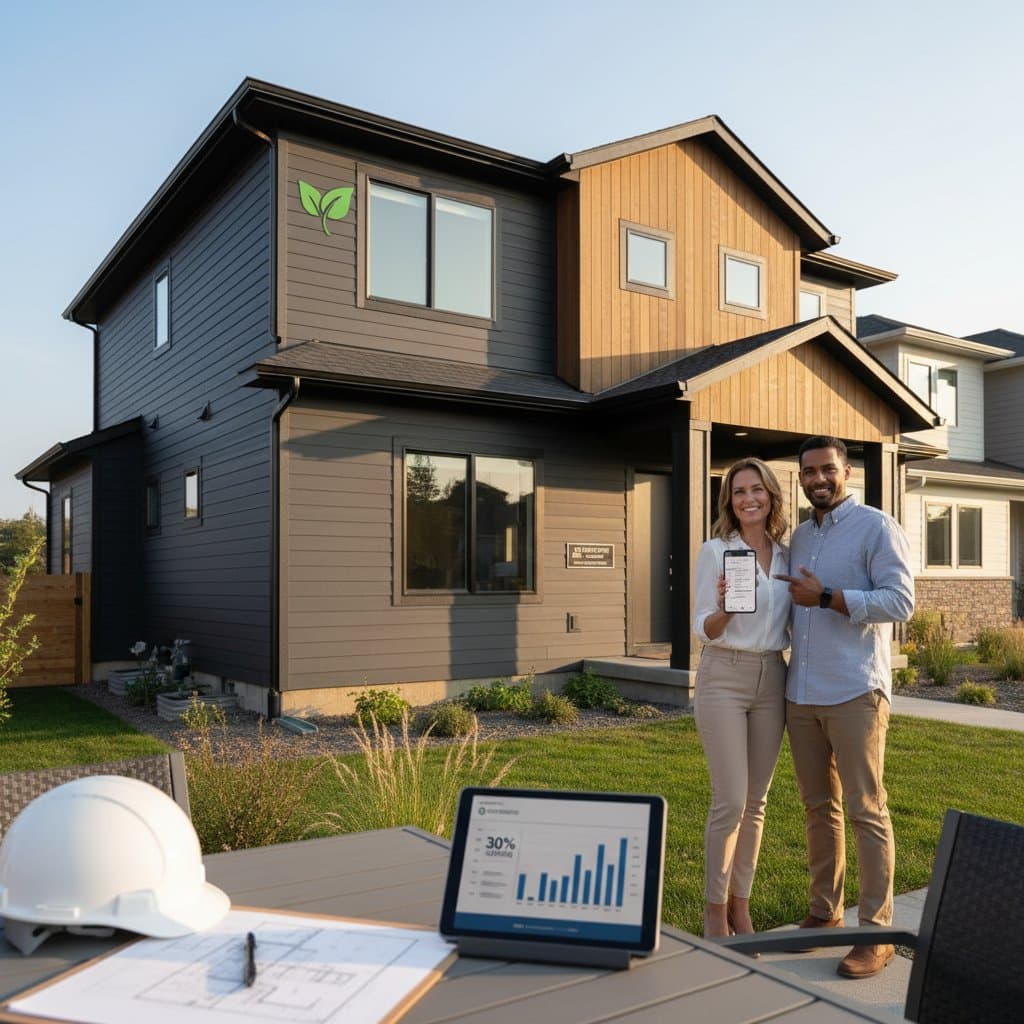
Maximize Savings with 30% Federal Credits for Siding
Federal tax credits provide homeowners with up to 30% savings on energy-efficient siding projects through 2026. These incentives support upgrades that enhance insulation, minimize heat loss, and reduce overall energy consumption. Qualifying installations, whether full replacements or targeted updates, must incorporate approved materials and techniques. Homeowners benefit from lower utility bills alongside immediate cost reductions. This guide outlines planning, material selection, installation, and compliance to achieve optimal results within budget constraints.
Selecting Styles and Materials for Energy Efficiency
Key Siding Profiles
Siding profiles shape the aesthetic and functional performance of exterior walls. Homeowners select profiles based on architectural style and energy goals.
- Lap siding features horizontal boards that overlap for weather protection, suiting traditional and craftsman homes.
- Board and batten uses vertical panels separated by narrow trim, enhancing modern or rustic designs.
- Shake or shingle styles mimic natural wood for textured accents on gables and dormers.
- Panel systems deliver smooth surfaces ideal for contemporary facades or hybrid material applications.
Material Choices and Performance
Energy credits favor materials with high insulation values and durability. The following table compares common options, including installed costs per square foot.
| Material | Advantages | Disadvantages | Installed Cost per Sq. Ft. |
|---|---|---|---|
| Vinyl | Affordable, low maintenance, diverse colors | Susceptible to fading and impact damage | $9–$12 |
| Fiber Cement | Resistant to fire and insects, accepts paint | Requires specialized cutting tools due to weight | $11–$15 |
| Engineered Wood | Authentic appearance, reduced weight | Needs edge sealing for moisture protection | $12–$17 |
| Insulated Composite | Superior insulation (high R-value), seamless installation | Elevated initial investment | $14–$20 |
| Metal | Long-lasting, environmentally recyclable | Thin gauges may dent easily | $13–$18 |
Combining Materials Effectively
Integrating multiple materials creates visual interest while maintaining credit eligibility and building code adherence. Position transitions at horizontal lines and secure them with trim boards to handle texture shifts. For instance, apply lap siding to base walls and shingles to upper gables, balancing affordability with enhanced aesthetics.
Trim and Accent Considerations
Trim elements outline doors, windows, corners, and roof edges. Opt for primed wood or PVC variants designed for outdoor durability. Contrasting colors draw attention to architectural features, whereas matching tones promote uniformity. Seal all cut edges thoroughly to block water penetration and extend material lifespan.
Practical Application Examples
- For a ranch-style home update, install vinyl lap siding with integrated foam backing; this approach yields rapid installation and significant energy improvements at a reasonable price.
- In a two-story colonial, fiber cement lap siding paired with composite trim offers extended durability and added fire resistance.
- Modern infill projects benefit from a panel-and-batten combination using insulated composite, providing a refined finish with strong incentive qualifications.
Ensuring Durability and Safety Standards
Addressing Weather and Climate Challenges
Siding selections must withstand regional conditions such as wind, precipitation, and temperature fluctuations. Humid areas demand robust moisture management, while cold or windy zones prioritize secure fastening and uninterrupted insulation. Install a water-resistive barrier behind all cladding to facilitate vapor diffusion and proper drainage.
Fire Resistance and Impact Durability
Materials like fiber cement and metal achieve top fire ratings, making them suitable for various environments. Engineered wood and vinyl perform less favorably in direct heat exposure, limiting their use near outdoor cooking areas. In regions prone to hail, select thicker panels or impact-resistant systems to minimize damage.
Building Envelope Essentials
The siding assembly includes sheathing, house wrap, flashing, and cladding layers. Ensure seamless integration around windows and doors to eliminate leak risks. Fasten with corrosion-resistant nails or screws, adhering to manufacturer-recommended spacing for thermal expansion.
Maintenance Routines
Conduct biannual inspections to identify issues early. Clean surfaces using mild detergent and a soft brush, steering clear of high-pressure methods near seams to avoid water ingress. Refresh paint or sealant on fiber cement and engineered wood every seven to ten years, or sooner if wear appears. Address deteriorated caulk immediately to preserve integrity.
Understanding Warranties
Siding warranties typically cover defects for 25 to 50 years, with prorated adjustments over time. Finish protections last about 15 years. Valid claims require documentation of correct installation and upkeep, including photographs, receipts, and maintenance logs.
Project Preparation Steps
1. Establish Objectives and Project Boundaries
Clarify priorities, such as energy reduction or aesthetic enhancement. Measure wall surfaces accurately, assess for rot or dampness, and evaluate existing insulation. Determine inclusions like trim, soffits, or gutter work.
2. Evaluate and Select Contractors
Identify licensed professionals experienced in siding installations. Review portfolios of completed projects and contact references. Confirm coverage through insurance and their capacity to handle warranty enrollments. Analyze bids item by item, verifying specifics on materials, gauges, and finishes.
3. Review Samples and Secure Approvals
Obtain tangible samples and technical specifications. Test color accuracy in daylight conditions. Approve small-scale mockups demonstrating joint patterns and trim arrangements prior to proceeding. Retain signed approvals as warranty support.
4. Prepare the Site
Remove nearby vegetation and relocate furnishings from wall perimeters. Verify access to electrical outlets, vents, and fixtures. Arrange for on-site debris disposal and ensure stable power sources with secure ladder placements.
5. Implement Quality Assurance
Examine sheathing repairs, flashing installations, and base strips before applying siding. Monitor fastener placement and panel alignment during work. Post-installation, verify caulking, touch-up painting, and site cleanliness. Finalize acceptance only after thorough walkthrough confirmation.
Securing Credits and Sustaining Performance
To claim the 30% federal credit, select siding with verified energy-efficient properties, such as added insulation layers or low-conductivity compositions. Consult IRS guidelines for eligible expenditures, including materials and labor up to specified caps. Submit Form 5695 with your tax return, supported by installer certifications and receipts. Post-installation, monitor energy usage to quantify savings and maintain records for potential audits. Regular upkeep preserves efficiency gains, ensuring long-term value and compliance with incentive terms.