
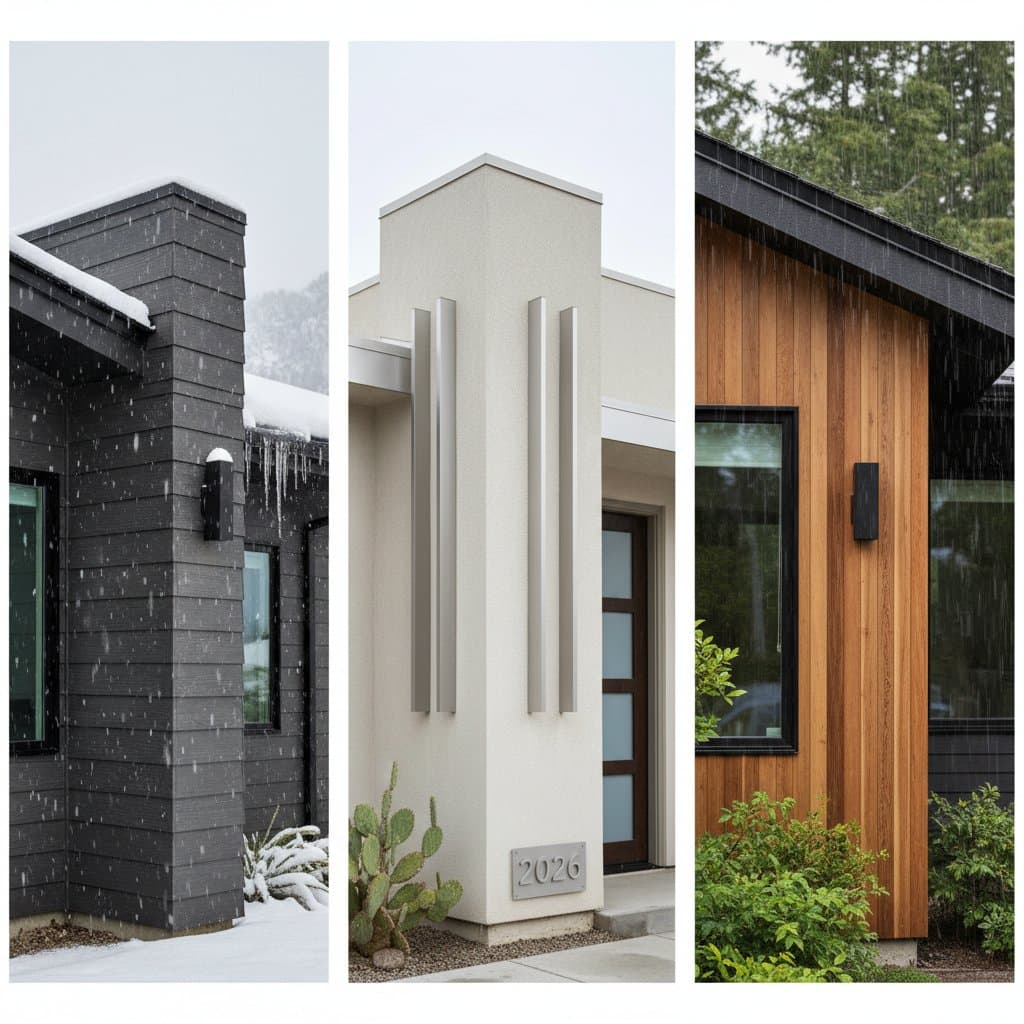
Understanding Siding Choices for 2026 Climate Zones
Selecting the appropriate siding for your home in 2026 requires careful consideration of local climate conditions. Extreme weather patterns, influenced by ongoing environmental shifts, demand materials that withstand specific regional challenges such as intense humidity, severe temperature fluctuations, high winds, or prolonged UV exposure. By matching siding to your climate zone, homeowners can extend the lifespan of their exterior, minimize repair expenses, and maintain structural integrity over decades.
Climate zones, as defined by building standards like those from the International Energy Conservation Code, categorize regions into types including hot-humid, mixed-humid, marine, cold, very cold, subarctic, hot-dry, and mixed-dry. Each zone presents unique demands on building envelopes. For instance, coastal areas prone to salt spray and moisture call for corrosion-resistant options, while arid regions require materials that resist cracking from thermal expansion. This guide outlines material recommendations, cost factors, and preparation steps to facilitate informed decisions.
Recommended Siding Materials by Climate Zone
Tailoring siding to your zone begins with evaluating predominant weather risks. Vinyl siding offers affordability and versatility but performs best in moderate climates. Fiber cement provides exceptional durability in wet or windy areas, while metal siding excels in fire-prone or high-impact zones.
Hot-Humid and Marine Zones
In regions with high moisture and humidity, such as the southeastern United States or coastal tropics, prioritize materials with inherent water resistance. Fiber cement siding stands out for its ability to repel mold and insects without warping. Engineered wood with protective coatings also suits these areas, provided installation includes proper ventilation to prevent trapped moisture. Avoid untreated natural wood, which absorbs humidity and leads to rot.
Cold and Very Cold Zones
Northern climates with freezing temperatures and heavy snow demand siding that accommodates expansion and contraction. Metal panels, such as aluminum or steel, maintain integrity under thermal stress and shed ice buildup effectively. Insulated vinyl variants add energy efficiency by reducing heat loss. Fiber cement remains a strong choice here, as it resists cracking from freeze-thaw cycles when paired with robust flashing.
Hot-Dry and Mixed-Dry Zones
Arid environments, common in the Southwest, expose homes to intense sunlight and dust. UV-resistant metal siding or fiber cement with fade-resistant finishes prevent discoloration and brittleness. Vinyl options with UV stabilizers work well but require thicker gauges to avoid heat-induced deformation. Natural wood demands frequent sealing to combat drying and splitting.
Wind and Impact-Prone Zones
Areas susceptible to hurricanes or hail, like the Midwest or Gulf Coast, necessitate impact-rated materials. Metal and fiber cement score highest for wind uplift resistance, often meeting standards up to 150 mph. Specify reinforced fasteners and overlap designs to secure panels. In these zones, building codes may mandate enhanced anchoring systems for all siding types.
Comprehensive Cost and Planning Overview
Budgeting for a siding project involves assessing scope, materials, and labor. Initial evaluations determine if existing siding requires removal, which incurs additional costs for disposal and preparation. Factor in site-specific elements like roof pitch or wall height that influence accessibility and equipment needs.
Material Cost Breakdown
Costs vary by material quality, brand, and regional availability. The following ranges reflect 2026 market estimates for installed projects, including basic labor and trim:
- Vinyl siding: 6 to 10 dollars per square foot
- Fiber cement: 8 to 14 dollars per square foot
- Engineered wood: 9 to 15 dollars per square foot
- Metal panels: 10 to 18 dollars per square foot
- Natural wood: 12 to 20 dollars per square foot
These estimates assume straightforward installations with minimal waste. Premium features, such as custom colors or textured profiles, can increase expenses by 20 to 30 percent.
Key Cost Influences
Several factors drive overall project expenses:
- Access and Height: Multi-story homes require scaffolding or aerial lifts, adding 2 to 5 dollars per square foot.
- Demolition Needs: Removing old siding costs 1 to 3 dollars per square foot, plus disposal fees that vary by locality.
- Architectural Details: Intricate elements like bay windows or dormers extend labor by 10 to 15 percent.
- Material Specifications: Climate adaptations, such as impact-resistant gauges or fire-retardant treatments, elevate prices.
- Regional Labor Rates: Urban areas command higher wages, potentially raising totals by 15 to 25 percent.
Project Timeline and Regulatory Considerations
Most residential projects complete within one to three weeks, depending on home size and crew efficiency. Delays from material lead times, adverse weather, or permitting can extend this period. Secure building permits early, as inspectors verify compliance with flashing, insulation, and fastening requirements specific to your climate zone.
Allocate a 10 to 15 percent contingency fund for unforeseen issues, such as substrate repairs. When damage affects over 25 percent of the surface, opt for full replacement to ensure uniform appearance and performance, as partial fixes often fail to blend after weathering.
Ensuring Durability and Safety
Durability hinges on material properties and installation quality. In 2026, updated codes emphasize resilient designs to combat intensified weather events.
Addressing Weather-Specific Risks
Secure fastening is critical in high-wind zones, using anchors spaced no more than 16 inches apart. Wet climates benefit from rainscreen systems that promote airflow and drainage. Dry areas require UV-protective coatings to mitigate fading, which can occur within two years without them.
Fire and Impact Resistance
Fiber cement and metal offer superior fire ratings, classified as non-combustible. Vinyl and engineered wood achieve self-extinguishing properties but may warp under prolonged heat. For hail resistance, select products tested to UL 2218 standards, with metal and fiber cement outperforming others in impact absorption.
Building Envelope Best Practices
Proper sealing prevents water intrusion, the leading cause of siding failures. Install metal flashing around windows, doors, and roof junctions. In moisture-heavy zones, incorporate furring strips to create a 1/4-inch air gap. Use butyl-based tapes for penetrations, ensuring compatibility with the siding material to uphold warranty terms.
Step-by-Step Preparation for Installation
Organize your project methodically to achieve professional results.
- Establish Objectives: Identify priorities, such as energy savings through insulated siding or aesthetic upgrades with modern profiles.
- Solicit Bids: Obtain detailed proposals from at least three licensed contractors, including material specifications and timelines.
- Evaluate Samples: Request physical samples viewed under natural light to assess color, texture, and scale.
- Prepare the Site: Remove obstacles, protect landscaping, and designate debris collection areas to streamline workflow.
- Coordinate Logistics: Agree on daily schedules, crew protocols, and contingency plans for inclement weather.
- Conduct Interim Inspections: Verify underlayment integrity, flashing placement, and fastener alignment prior to panel installation.
- Perform Final Review: Check for imperfections, ensure thorough cleanup, and secure comprehensive warranties before releasing payment.
Maximizing Long-Term Performance
Once installed, routine maintenance preserves your investment. Inspect annually for loose fasteners, caulk degradation, or early signs of moisture. Clean with gentle solutions to remove debris without damaging finishes. In climate-challenged areas, schedule professional assessments every five years to address emerging issues promptly.
Choosing siding aligned with your 2026 climate zone delivers peace of mind through reduced upkeep and enhanced resilience. Homeowners who invest thoughtfully enjoy not only visual appeal but also tangible savings on energy and repairs, fostering a home that endures evolving environmental demands.