
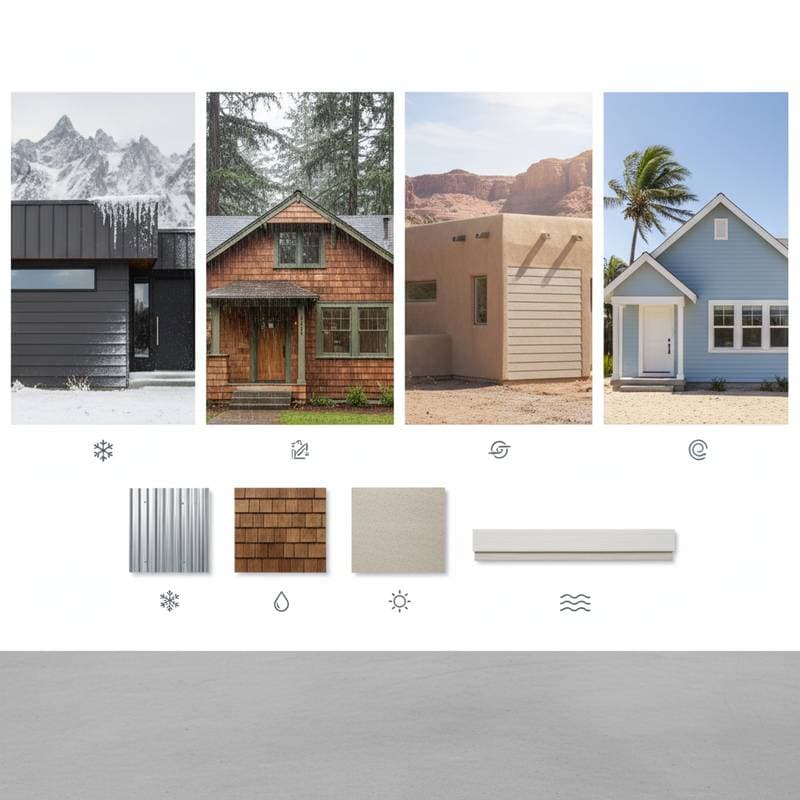
Siding Built to Endure Local Weather Challenges
Regional weather patterns challenge home exteriors uniquely. Intense rainfall, extreme heat, coastal salt exposure, or repeated freeze-thaw cycles test siding materials rigorously. A material that performs well in one environment may degrade quickly in another. Homeowners achieve long-term protection by aligning siding choices with local climate demands, building structure, and personal maintenance preferences. Thoughtful selection ensures the exterior remains intact for decades with limited interventions.
Comprehensive Guide to Costs and Project Planning
Defining the Project Scope
Standard siding installations encompass removing existing cladding, examining underlying wall sheathing for damage, applying weather-resistant barriers, installing trim elements, and completing finish work. Expenses increase for irregular wall surfaces or when incorporating enhanced insulation. Contractors should specify inclusion of flashing, caulking applications, and debris disposal in proposals to prevent surprises.
Pricing Ranges and Influencing Factors
Installed costs vary by material type:
- Vinyl: $6 to $10 per square foot
- Fiber Cement: $9 to $15 per square foot
- Engineered Wood: $8 to $14 per square foot
- Metal Panels: $10 to $20 per square foot
Key elements that drive up total expenses include:
- Demolition and Structural Fixes. Addressing decayed sheathing or mold requires additional labor and supplies.
- Building Height and Accessibility. Multi-story structures demand scaffolding, elevating per-square-foot rates.
- Detailed Trim Work. Intricate elements around corners, gables, and windows extend time for precise cuts and seals.
- Local Labor Variations. Rates tend to climb in coastal or metropolitan areas.
- Advanced Moisture Protection. Premium house wraps and flashing enhance longevity yet add to the budget.
Project Timeline Expectations
- From Bids to Agreement: 1 to 2 weeks, covering on-site assessments and quote preparation
- Material Procurement: 1 to 3 weeks, influenced by availability
- On-Site Installation: 5 to 15 business days for average residences
- Final Inspections and Adjustments: 1 to 3 days
Anticipate interruptions from inclement weather. Build contingency time into schedules and allocate extra funds accordingly.
Navigating Permits and Official Reviews
Local building regulations typically mandate permits for complete siding overhauls. Officials frequently verify flashing installations and sheathing integrity prior to full cladding attachment. Research jurisdiction-specific rules at the outset to sidestep costly modifications.
Strategies for Budget Management and Modifications
Request itemized breakdowns from contractors for demolition, barrier installations, and trim components. Such transparency simplifies handling alterations. Contracts must outline protocols for unforeseen issues, including responsibility for concealed damages.
Weighing Repairs Against Full Replacement
Opt for replacement when over 25 percent of the existing siding exhibits cracks, warping, or detachment. Patching isolated areas on aged surfaces often results in inconsistent appearance and recurring expenses.
Essential Insights on Durability and Performance Safety
Addressing Specific Weather Threats
High Winds: Verify the siding's wind resistance rating meets or exceeds regional building codes. Improper nailing on vinyl, whether too secure or lax, compromises integrity.
Precipitation and High Humidity: Effective water management occurs at the wall assembly level. Implement continuous barriers, overlapped flashing, and ventilated trim to avert decay.
Intense Sunlight and Thermal Expansion: Prolonged ultraviolet rays erode subpar surface treatments. Select pigments integrated through the material or factory-applied durable finishes.
Winter Freezes and Thawing Cycles: Water-absorbent options like untreated wood demand regular sealing in frigid zones to avoid fractures.
Evaluations of Fire Resistance, Water Management, and Impact Strength
Fiber cement and metal options resist ignition inherently. While engineered wood and vinyl burn more readily, fire-retardant variants comply with resistance benchmarks. In hail-prone regions, prioritize impact ratings; thicker steel or aluminum outperforms vinyl against dents.
Key Building Envelope Considerations
Focus on vulnerable junctions such as window tops, roof-to-wall transitions, and ledger board connections. Apply self-adhering flashing or metal caps consistently. Position the siding's lower edge no less than six inches from ground level to minimize water splatter.
Routine Maintenance Protocols and Cleaning Practices
| Task | Frequency | Recommended Approach |
|---|---|---|
| Clean Surface Debris and Mold | Annually | Use a standard hose with gentle soap solution |
| Examine Seals and Seams | Biannually | Apply compatible caulk to any openings |
| Refresh Paint or Stain | Every 5 to 10 Years (for applicable surfaces) | Adhere to producer's specified coating method |
| Verify Attachment Hardware | Yearly | Secure or substitute any loosened fasteners |
| Manage Surrounding Plants | Continuously | Ensure 1 to 2 inches of separation from walls |
Avoid high-pressure rinsing on fiber cement or wood products, as it risks removing protective layers and invalidating guarantees.
Understanding Warranty Provisions
Many vinyl and metal sidings feature limited lifetime protections against fractures and significant discoloration. Fiber cement and engineered wood generally provide 30- to 50-year guarantees on the core material, with distinct clauses for surface treatments. Register products promptly and document usage of endorsed maintenance products.
Maximizing Longevity Through Climate-Adapted Siding
With properly installed siding, homes confront seasonal extremes confidently. Superior systems repel moisture, withstand solar wear, and preserve aesthetics over extended periods through routine care. Effective choices emphasize compatibility with prevailing conditions rather than premium pricing alone, delivering sustained value and security.