
Why Composite Siding Outperforms Vinyl for Resale Value in 2026
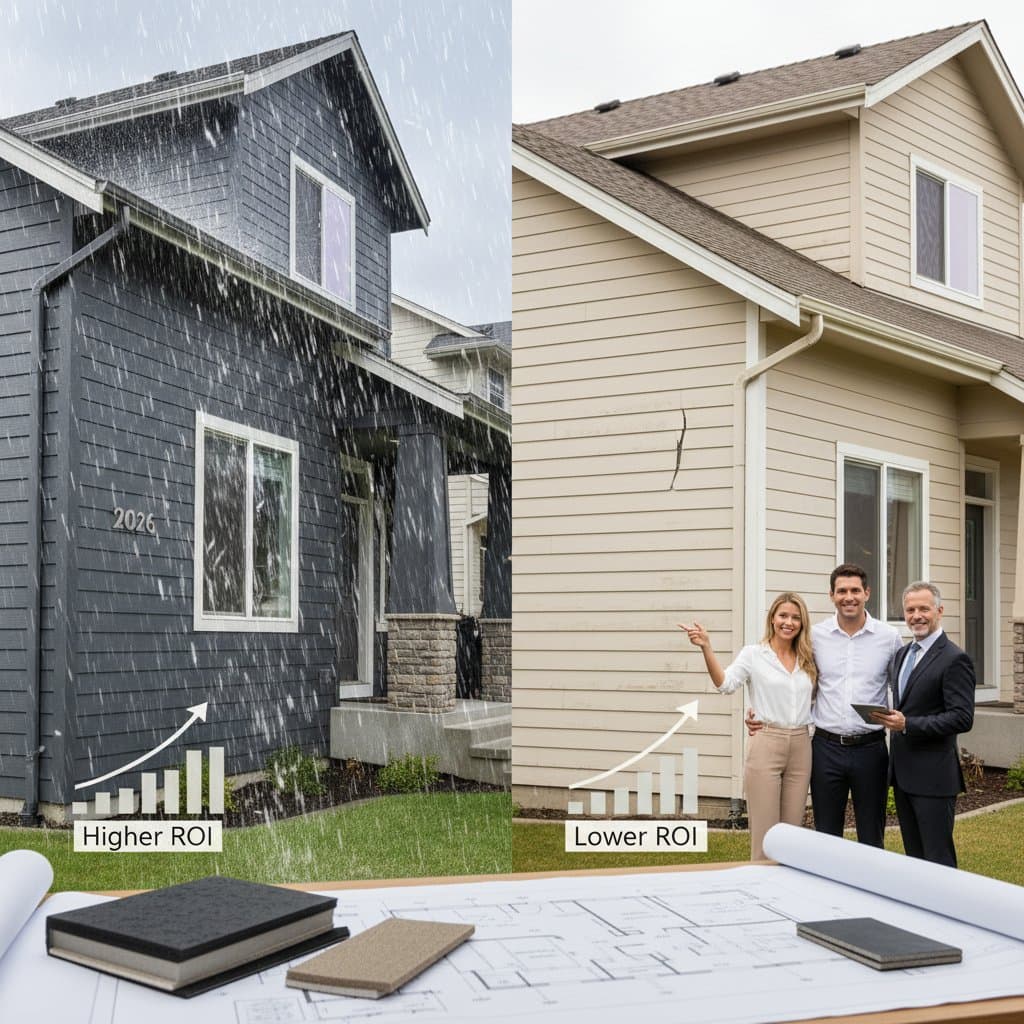
Homeowners evaluating return on investment for exterior upgrades discover that composite siding surpasses vinyl in long-term benefits. This preference arises from advancements in material technology, extended warranties, and enhanced market appeal. Although vinyl remains more affordable initially, composite siding provides greater overall value when considering the full lifecycle costs. The following sections outline the reasons for this superiority, factors influencing expenses, and strategies for planning an effective installation.
Understanding Styles and Material Choices
Key Siding Profiles and Their Applications
Siding profiles determine the aesthetic and functional fit for a home's architecture. Select profiles that align with the existing design to maximize visual harmony and resale potential.
- Lap siding: Horizontal overlapping boards that create a classic, streamlined appearance. This profile complements traditional and contemporary homes alike.
- Board and batten: Vertical panels separated by narrow battens that cover joints. It enhances vertical emphasis, ideal for modern farmhouse styles or homes with high walls.
- Shingle style: Panels designed to replicate cedar shingles, either individually or in patterns. This option suits coastal or rustic properties, adding texture without excessive weight.
Comparing Material Properties
Evaluate materials based on appearance, upkeep requirements, durability, and installation costs to make an informed decision.
| Material Type | Appearance | Maintenance | Lifespan | Typical Installed Cost |
|---|---|---|---|---|
| Vinyl | Smooth or wood-grain texture, limited color options | Low; requires occasional cleaning | 20 to 30 years | $5 to $10 per sq ft |
| Composite | Deep, realistic textures with vibrant finishes | Low to moderate; mild washing suffices | 30 to 50 years | $9 to $16 per sq ft |
| Fiber Cement | Heavy, painted textures | Moderate; repainting every 10 to 15 years | 30 to 40 years | $8 to $14 per sq ft |
| Engineered Wood | Authentic wood fibers blended with resin | Moderate; periodic repainting required | 25 to 40 years | $7 to $13 per sq ft |
Composite siding balances the lightweight nature of vinyl with the robustness of fiber cement. It withstands swelling, cracking, and impacts more effectively than vinyl, while eliminating the dust and safety concerns associated with cutting fiber cement.
Guidelines for Combining Materials
Homeowners often integrate multiple materials for cost efficiency and design variety. For instance, apply lap composite siding to primary walls and pair it with vinyl or metal on gables. Maintain materials on the same surface plane, and use trim boards or metal flashings to delineate transitions. Select components with matching gloss levels to prevent visual discord across a single facade.
Selecting Trim and Accents
Trim elements frame openings and define edges, contributing to a professional finish. Extend trim at least one-half inch beyond the siding surface around windows and doors. Opt for prefinished composite trim that coordinates with the siding color for seamless integration. Vinyl trim pairs with composite siding, provided fasteners align with manufacturer specifications.
Tailored Recommendations by Home Style
Adapt siding choices to architectural features for optimal curb appeal and buyer interest.
- Ranch-style homes: Install wide-board composite lap siding to minimize seams and emphasize horizontal lines.
- Colonial homes: Choose smooth composite panels paired with traditional corner boards to preserve symmetrical elegance.
- Modern homes: Use vertical composite panels with concealed fasteners to achieve a minimalist, high-end appearance.
Preparing for Installation: A Phased Approach
Effective project preparation ensures smooth execution and minimizes disruptions. Follow these steps to align expectations with outcomes.
1. Establish Objectives and Project Boundaries
Determine whether the project involves complete replacement or targeted overlay. Calculate wall surface areas, identify areas needing repairs, and establish a budget per square foot. Factor in costs for trim, soffits, and supplementary features to create a comprehensive estimate.
2. Evaluate Contractors and Obtain Quotes
Solicit at least three detailed written bids from licensed professionals. Require each proposal to detail the material brand, color selections, fastening methods, and any preparatory repairs. Verify insurance coverage and licensing status. Assess bids holistically, comparing not just prices but also installation techniques and warranty terms.
3. Review Samples and Conduct Mockups
Request physical samples of profiles and color swatches for evaluation. Affix samples to exterior walls and observe them under varying lighting conditions throughout the day. Authorize a small-scale mockup installation prior to committing to the full project, which helps identify potential adjustments early.
4. Prepare the Site and Manage Workflow
Designate a five-foot clearance zone around the perimeter. Relocate outdoor furnishings and safeguard landscaping with protective barriers. Arrange for daily debris removal and secure on-site material storage. Restrict access to work areas to protect family members and pets.
5. Implement Milestone Inspections
Conduct thorough checks at key stages to uphold quality standards.
- Prior to demolition: Verify that the existing siding matches contract descriptions in type and quantity.
- Upon exposing sheathing: Examine for signs of rot, moisture damage, or pest infestation.
- During siding application: Ensure fasteners are flush and properly spaced, avoiding overdriving.
- Before releasing final payment: Inspect the entire exterior for consistent coloration, secure joints, and even alignment.
Resolving Installation Challenges
Anticipate and address potential issues to maintain project integrity.
Addressing Warped Panels
Examine the fastening schedule for errors. Nails driven too deeply can impede panel movement. Correct by refastening according to the manufacturer's recommended intervals.
Correcting Color Inconsistencies
Source replacement panels from the identical production batch. If matching proves impossible, apply a uniform repaint to the affected wall section.
Managing Moisture Accumulation
Verify that house wrap seams are sealed and drainage channels remain unobstructed. Incorporate vented starter strips at the foundation level to facilitate air circulation.
Repairing Cracked Corners or Loose Trim
Apply sealant formulated for composite materials to all joints. Replace compromised trim sections outright, rather than relying on fillers for temporary fixes.
Sustaining Performance and Enhancing Resale Appeal
Proper upkeep extends the lifespan of composite siding, typically spanning several decades. Trim nearby vegetation to ensure adequate ventilation around the exterior. Wash panels biannually using mild soap and water solutions. Routinely examine and renew caulking at windows, doors, and other penetrations to prevent water intrusion.
Investing in composite siding not only elevates immediate curb appeal but also positions the property favorably in competitive markets. Homeowners benefit from reduced maintenance demands and assured durability, translating to confidence in long-term value retention.