
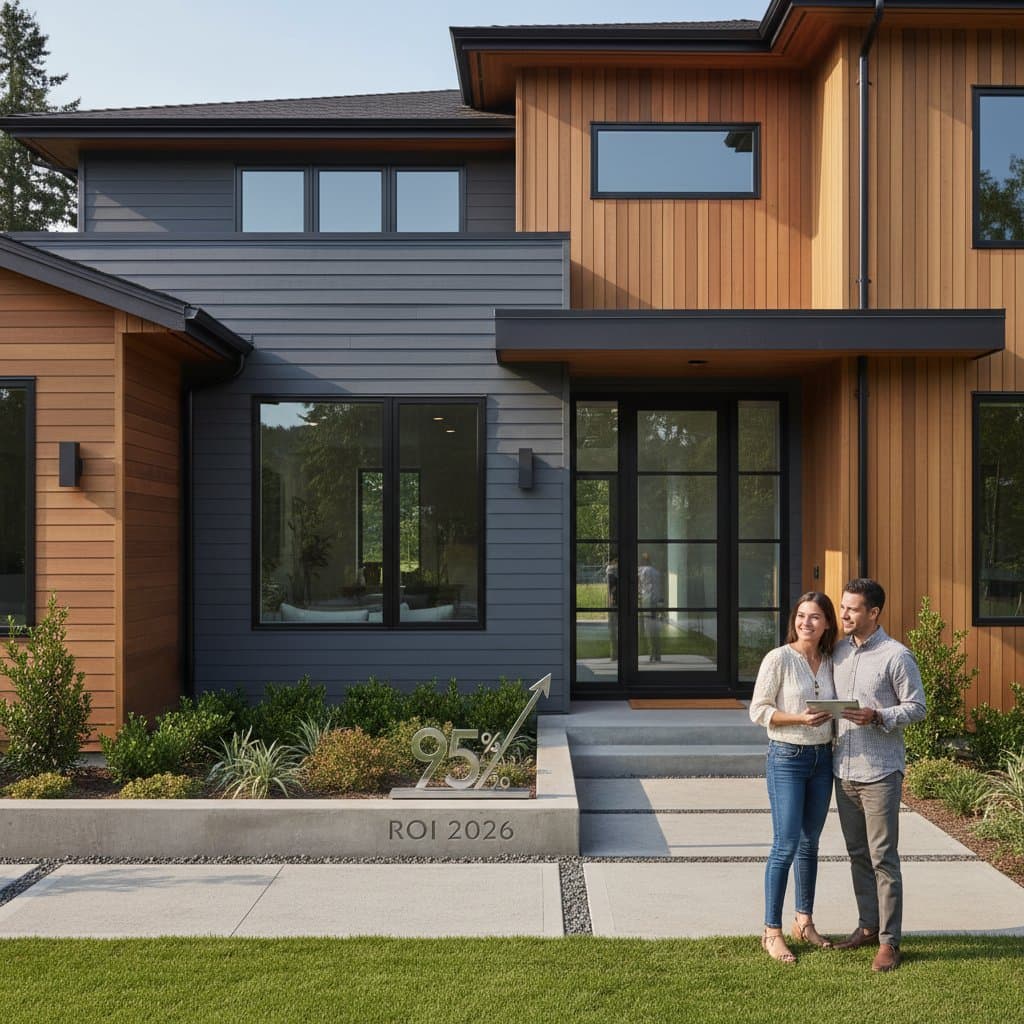
Fiber Cement Siding Delivers 95% ROI in the 2026 Market
Homeowners seek exterior materials that combine visual appeal with lasting performance and financial return. Recent national remodeling reports highlight fiber cement siding as a premier choice, projecting a 95 percent return on investment for 2026. This figure reflects nearly complete recovery of installation costs upon resale, driven by the material's superior stability, fire resistance, and reduced maintenance needs when compared to alternatives like wood or vinyl.
The appeal lies in its ability to withstand environmental stresses while enhancing property value. This guide examines the factors contributing to this high ROI, typical cost ranges, and decision-making strategies that safeguard both aesthetics and investment.
Understanding Material Composition and Profile Options
Fiber cement siding consists of Portland cement, sand, and cellulose fibers, formed into robust planks or panels under high pressure. This composition enables the material to accept paint effectively and resist decay, pest infestation, and fire damage. Available profiles encompass lap siding for a classic horizontal appearance, vertical panels for contemporary designs, and shingle styles that emulate traditional cedar shakes.
Consider the following comparison of profile types to inform your selection:
| Profile Type | Advantages | Disadvantages | Maintenance Requirements |
|---|---|---|---|
| Lap Plank | Provides a timeless aesthetic; allows straightforward replacement of individual sections | Demands accurate overlapping to direct water away effectively | Requires repainting every 10 to 15 years |
| Panel System | Offers a sleek, modern look with reduced visible seams | Relies on robust flashing at joints for weatherproofing | Involves occasional cleaning to maintain appearance |
| Shingle Style | Replicates the charm of natural wood shakes | Involves more intensive labor during installation | Calls for periodic rinsing to avoid debris accumulation |
Fiber cement earns a Class A fire rating, surpassing many competitors, and exhibits minimal expansion in humid conditions unlike wood. To achieve cohesive design, restrict texture variations to a single focal area, such as a gable end or entryway facade. This restraint prevents overwhelming patterns and underscores professional execution, which appeals to prospective buyers.
Key Insight: Select profiles aligned with your home's architectural style and simplify transitions between textures. Such choices enhance photographic appeal and convey superior craftsmanship.
Ensuring Installation Excellence and Mitigating Risks
Even premium materials underperform without meticulous installation. Focus on comprehensive building envelope protection, including precise flashing to channel water away from vulnerable areas. Maintain at least two inches of clearance from horizontal surfaces like decks and six inches above ground level to prevent moisture infiltration.
Address these frequent installation vulnerabilities:
- Absence of kick-out flashing where roofs meet walls, leading to water intrusion.
- Exposed cut edges at joints without proper sealing.
- Fasteners driven excessively deep or positioned away from structural studs.
- Inadequate house wrap application around windows and doors.
Experienced installers manage site conditions by containing debris, safeguarding nearby landscaping, and notifying neighbors prior to demolition activities. These practices minimize conflicts and control additional expenses related to remediation.
Key Insight: Superior installation upholds manufacturer warranties and avoids costly repairs. Verify that teams adhere to specified fastening schedules and water-resistive barrier protocols.
Selecting Contractors and Evaluating Bids
Choosing the right contractor proves essential to realizing the full benefits of fiber cement siding. Seek professionals with certifications from leading manufacturers, such as James Hardie or Allura, and review portfolios of completed projects similar to yours. Request references and confirm licensing, insurance coverage, and adherence to local building codes.
When reviewing bids, ensure comprehensive coverage of these elements:
- Specific material specifications, including thickness (typically 5/16 inch for planks) and pre-finished or primed options.
- Integration of weather-resistive barriers, such as house wrap, and high-quality flashing materials.
- Details on trim dimensions, profiles, and coordinated paint selections for a unified look.
- Provisions for waste disposal, site protection, and thorough cleanup post-installation.
- Management of permits, inspections, and any required engineering assessments.
Compare at least three bids, noting variations in scope and pricing. Average costs range from $8 to $15 per square foot installed, depending on region, home size, and complexity, with full projects for a 2,000-square-foot home falling between $16,000 and $30,000. Factor in potential savings from energy-efficient designs or bulk material purchases.
Key Insight: A detailed bid prevents surprises and ensures alignment with your vision. Prioritize transparency in timelines and contingency plans for weather delays.
Cost Breakdown and ROI Factors
Installation expenses vary by project scale and location, but fiber cement generally outperforms vinyl in longevity and wood in upkeep. Expect material costs of $4 to $8 per square foot, plus labor at $4 to $7 per square foot. Additional outlays may include trim ($2 to $4 per linear foot) and painting ($1 to $2 per square foot if not pre-finished).
The 95 percent ROI stems from enhanced curb appeal, which can increase home values by 5 to 10 percent, coupled with durability that averts frequent repairs. In high-demand markets, properties with fiber cement sell faster, often within 30 days of listing, compared to averages exceeding 60 days for outdated exteriors.
To optimize returns, integrate siding with complementary upgrades like new gutters or lighting, which amplify overall impact without proportionally raising costs.
Key Insight: Budget for quality components upfront to secure long-term savings and elevated market positioning.
Embracing Long-Term Performance and Value
Fiber cement siding contributes tangible advantages through its resilience, minimal care requirements, and robust resale outcomes. Proper installation, thoughtful design integration, and precise detailing position it as a premier investment in home exteriors. Homeowners benefit from a striking exterior that endures harsh weather, safeguards the underlying structure, and sustains buyer interest over many years.
Regular inspections every few years, combined with gentle cleaning using low-pressure washes, preserve its condition and appearance. This proactive approach not only extends the material's lifespan beyond 50 years but also reinforces the financial wisdom of the choice, delivering enduring protection and aesthetic satisfaction.