
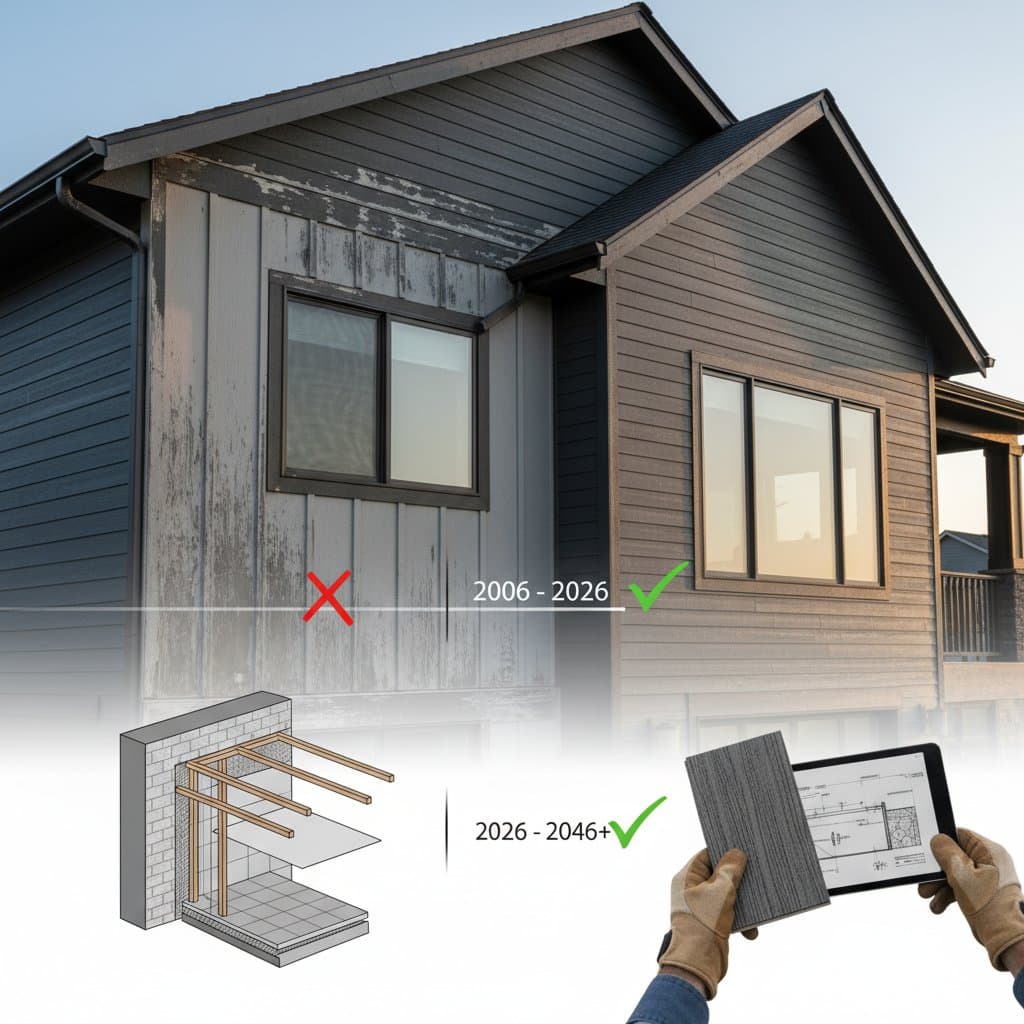
Why Siding Fails Before 20 Years: Insights for 2026 Replacements
Homeowners anticipate that siding will endure for decades, but replacements frequently occur well before the 20-year threshold. Factors such as moisture intrusion, inadequate installation, and low-quality materials contribute to this premature deterioration. These issues not only diminish property value but also compromise curb appeal. By grasping the root causes and implementing preventive measures, individuals can safeguard their investments and plan effectively for upcoming projects.
Costs, Return on Investment, and Influencing Elements
Siding replacement represents a prominent home improvement that directly influences resale value. According to industry statistics, such projects typically recoup 65 to 80 percent of their expenses upon sale. However, premature failure disrupts this return by necessitating unplanned expenditures prior to the material's intended durability.
Project Cost Ranges
- Small homes or partial replacements: $12,000 to $20,000
- Mid-size homes: $22,000 to $35,000
- Large or complex structures: $40,000 to $60,000 or higher
Primary Cost Influences
- Removal and disposal: Careful extraction of old siding, nails, and any compromised sheathing preserves the wall's integrity.
- Project complexity: Elements like gables, dormers, and multi-story designs extend labor hours.
- Trim details: Broader trim boards and precise material transitions enhance sealing while elevating aesthetics, though they increase expenses.
- Site access: Narrow property boundaries or extensive landscaping demand additional staging and workforce adjustments.
Effects on Property Value
Properties featuring meticulously installed siding and sharp trim lines capture superior photographs, drawing greater buyer attention and minimizing unexpected upkeep. Prospective buyers prioritize uniform seams, aligned courses, and consistent coloration over other architectural features. Premature degradation erodes buyer trust, lowering the home's market perception regardless of ongoing fixes.
Key Insight: Allocate funds for comprehensive removal and underlying wall corrections during replacements. Opting for superficial patches saves money short-term but jeopardizes enduring value.
Enhancing Curb Appeal Through Design
Effective siding design complements the home's architecture rather than clashing with it. Fundamental guidelines on proportion and contrast foster enduring visual appeal that withstands evolving preferences.
Principles of Massing, Contrast, and Proportion
- Maintain uniform horizontal lines across every facade.
- Employ trim to symmetrically outline windows and doors.
- Integrate balanced dark and light shades to accentuate entrances.
The depth of color influences shadow perception under natural light. Mid-tone selections conceal dirt and fading more effectively than extremes in lightness or darkness. For fiber cement or wood surfaces, align repaint undertones with roof and trim hues to prevent discordant visuals.
Focusing on the Entryway
Entrances capture immediate attention from visitors and potential buyers. Coordinate siding patterns with door trim, ensure seamless thresholds, and position lighting to illuminate textures without excessive reflection. Mount house numbers prominently from the street, securing them flatly to evade moisture accumulation.
Key Insight: Thoughtful design sustains property value by promoting visual harmony and facilitating appealing photography for listings.
Maintenance Strategies for Extended Durability
Siding achieves or exceeds its projected lifespan through diligent upkeep. Routine minor efforts avert concealed decay and visible discoloration.
Cleaning and Surface Protection
- Clean vinyl and metal exteriors annually using a soft brush and gentle detergent.
- Refresh paint or sealant on wood and fiber cement per manufacturer recommendations.
- Steer clear of high-pressure washing near surfaces, as it risks forcing water into seams.
Recommended Inspection Schedule
Conduct examinations biannually, targeting:
- Lower edges for signs of swelling or flaking paint
- Seams and corners for deteriorated sealant
- Attachment points for loosening or corrosion marks
Essential Maintenance Schedule
| Task | Frequency | Objective |
|---|---|---|
| Wash siding | Annual | Eliminate dirt and mildew buildup |
| Repaint or reseal | 5 to 15 years | Shield against UV rays and dampness |
| Examine flashing | Semiannual | Block water penetration |
| Prune nearby plants | Seasonal | Minimize wear and damp conditions |
| Review caulk lines | Annual | Preserve airtight barriers |
Upholding Warranty Conditions
Many manufacturers mandate documentation of upkeep to validate claims. Retain timestamped images and invoices from cleaning or coating applications. Failure to adhere may invalidate protection despite material integrity.
Key Insight: Periodic checks involve minimal expense yet frequently prolong siding performance past standard expectations.
Selecting Contractors and Evaluating Proposals
The installer's expertise largely dictates siding longevity. Scrutinize proposals meticulously and verify inclusions prior to commitment.
Essential Scope Verification
- Specify material variety and gauge
- Detail weather-resistant barriers and flashing components
- Outline trim styles and corner finishes
- Confirm fastener selections and placement intervals
- Describe old material removal and waste management
- Include permitting and inspection charges
Analyzing Proposals
Solicit itemized breakdowns for labor, supplies, and debris handling. Substantially reduced quotes frequently exclude critical flashing or overlook sheathing fixes. Strive for equivalent evaluations, ensuring uniform standards for site preparation and final cleanup across bids.
Standard Payment Structures
Reputable contractors divide payments into phases: 20 to 30 percent upfront for mobilization, 40 to 50 percent upon material delivery and partial installation, and the balance after final inspection and walkthrough. This progression aligns incentives, reducing risks of incomplete work. Insist on written terms to outline milestones and withhold final payment until all specifications meet code and quality benchmarks.
Key Insight: Prioritize contractors demonstrating thorough preparation and adherence to best practices for optimal results.
Sustaining Your Siding Investment
When siding receives proper installation and ongoing attention, it performs reliably past the 20-year milestone without foundational concerns. Premature issues typically stem from deficient details or overlooked care, rather than inevitable wear.
For 2026 replacements or assessments of existing installations, emphasize foundational elements over mere aesthetics. Prioritize moisture control, validate flashing reliability, and select materials backed by established performance metrics. These steps ensure lasting protection and enhanced home equity.