
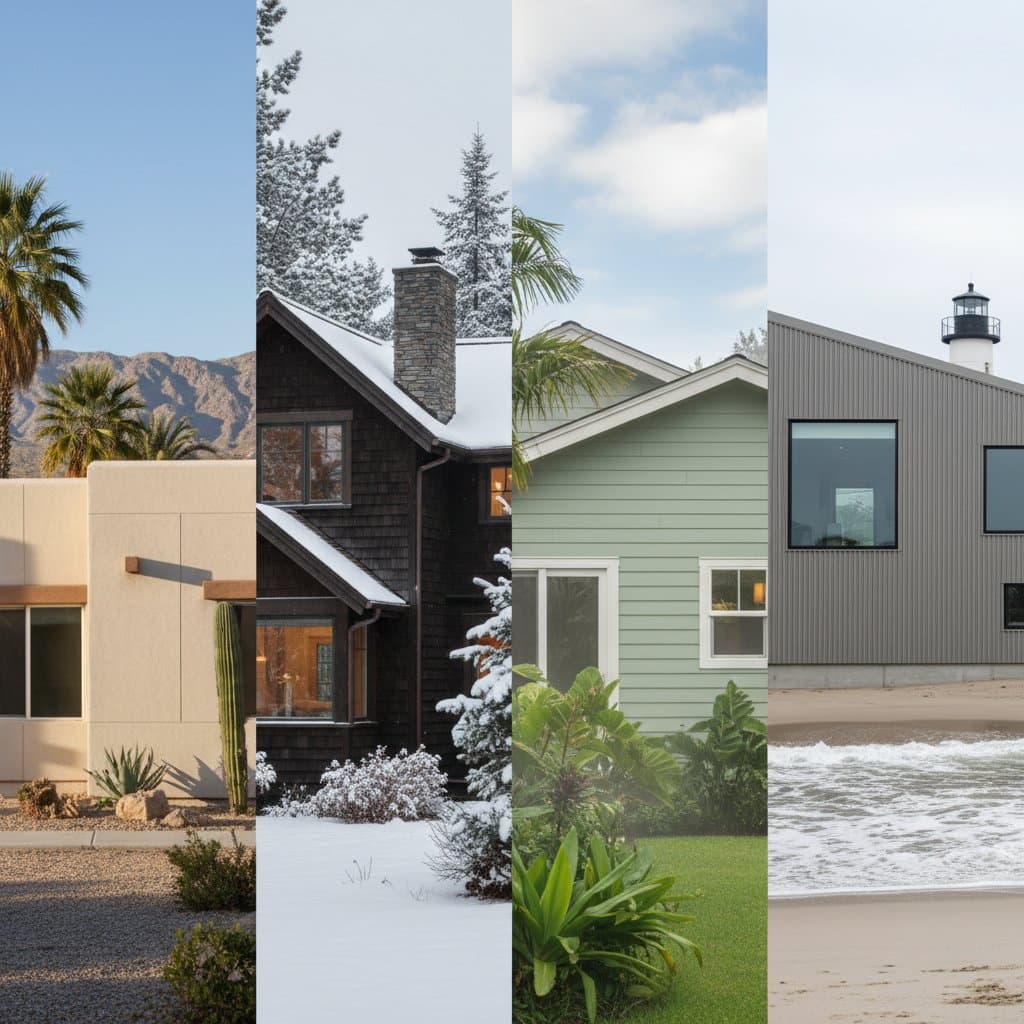
Understanding Siding Performance in Different Climates
Local weather patterns exert significant influence on the longevity and effectiveness of home siding. Materials that thrive in one region may deteriorate quickly in another due to factors like temperature fluctuations, humidity levels, precipitation, and wind exposure. Homeowners who align siding choices with their specific climate zone minimize repair needs, preserve structural integrity, and elevate curb appeal. This approach not only extends the material's lifespan but also contributes to energy efficiency by reducing heat gain or loss through exterior walls.
Consider the primary climate categories: temperate zones with moderate temperatures and rainfall, arid regions with intense sun and low moisture, cold climates featuring freeze-thaw cycles, and humid or coastal areas prone to salt air and high moisture. Each demands distinct material properties to resist expansion, contraction, fading, or corrosion. By evaluating these elements first, individuals make informed decisions that balance initial costs with decades of reliable performance.
Key Siding Materials and Their Climate Suitability
A variety of siding options exists, each offering unique advantages and limitations based on environmental demands. The following comparison highlights how materials respond to common weather challenges, including insights into approximate costs per square foot (installed) and expected lifespan under ideal conditions. These details assist in narrowing selections to those best suited for specific zones.
| Material | Ideal Climates | Strengths | Limitations | Approximate Cost (per sq ft) | Expected Lifespan | Maintenance Level |
|---|---|---|---|---|---|---|
| Vinyl | Temperate, arid, moderate cold | Affordable, resists fading from UV exposure, simple to clean with soap and water | Becomes brittle below -20°F, may warp above 140°F; limited insulation value | $3–$7 | 20–40 years | Low |
| Fiber Cement | Humid, coastal, high wind | Resists fire, insects, and rot; maintains color stability in wet conditions | Heavier weight requires sturdy framing; periodic repainting every 10–15 years | $6–$14 | 30–50 years | Medium |
| Engineered Wood | Temperate, dry, mild humidity | Provides natural wood aesthetics with factory-applied moisture barriers; good impact resistance | Joints need vigilant sealing to prevent water entry; not ideal for extreme wet areas | $5–$12 | 25–35 years | Medium |
| Metal (Steel or Aluminum) | Arid, cold, high wind | Superior fire resistance, lightweight, recyclable; dent-resistant options available | Prone to denting from hail over 1 inch; can corrode without proper coatings in salty air | $4–$10 | 30–70 years | Low to Medium |
| Natural Wood | Mild temperate, low humidity | Offers premium visual warmth and texture variety | Susceptible to warping, rot, and insect damage without regular treatments | $8–$20 | 20–50 years | High |
In humid or coastal environments, fiber cement excels by repelling moisture and salt, preventing the mold issues that plague wood products. Metal siding shines in arid or cold zones, where its thermal conductivity aids in shedding ice buildup and withstanding dry heat without cracking. Vinyl suits budget-conscious homeowners in stable temperate areas, though it falters in regions with severe winters. Engineered wood bridges the gap for those seeking organic looks without the intensive upkeep of natural varieties. Natural wood demands the most attention but rewards with timeless elegance in protected settings.
When combining materials, select a primary type that covers at least 80 percent of the exterior surface. Use accents sparingly, such as metal trim around windows in a vinyl facade, to enhance architectural features without complicating maintenance routines.
Key Consideration: Factor in local building codes, which may mandate fire-rated materials in wildfire-prone areas or impact-resistant options in hail belts.
Evaluating Costs, Durability, and Return on Investment
Beyond climate fit, financial aspects guide practical choices. Initial expenses vary widely, but long-term value hinges on durability and minimal upkeep. For instance, vinyl's low upfront cost appeals to many, yet its shorter lifespan in harsh climates may necessitate earlier replacements, eroding savings.
Fiber cement, though pricier initially, delivers strong ROI through extended service life and reduced insurance premiums in fire-risk zones. Metal options often qualify for energy rebates due to reflective coatings that lower cooling costs in sunny regions. Calculate potential returns by estimating annual maintenance savings—such as avoiding $500–$1,000 yearly wood treatments—and resale boosts, where durable siding can add 5–10 percent to home value.
To assess ROI precisely, review material warranties: vinyl typically covers 30 years against fading, while premium metal may extend to lifetime coverage. Consult regional data on average replacement intervals; in cold climates, opt for flexible materials to avoid frequent repairs from contraction cracks.
Practical Tip: Use online calculators from reputable suppliers to input your zip code and home size for personalized cost projections, ensuring alignment with budget goals.
Essential Installation Practices for Longevity
Even the finest siding fails without expert installation. Moisture remains the primary threat, leading to rot, mold, or insulation degradation if not addressed. Installers must apply a housewrap or continuous weather-resistive barrier over sheathing, overlapping seams downward to direct water away from the structure.
Incorporate metal flashing around all penetrations—windows, doors, and roof junctions—to channel runoff effectively. For vented designs, especially in humid areas, create 1–2 inch gaps between siding and foundations or trim to promote airflow and dry out incidental dampness. Daily site cleanup prevents debris from clogging drainage paths, while protective measures like plywood shields safeguard nearby plants and hardscapes.
Address logistical details upfront: secure permissions for scaffold access across fences or shared driveways, and verify that crews follow OSHA safety protocols. Post-installation, inspect for gaps larger than 1/8 inch and caulk with elastomeric sealants rated for exterior use.
Key Consideration: Hire certified professionals who provide detailed contracts outlining these steps, as subpar work voids manufacturer warranties and invites costly fixes.
Choosing Reliable Contractors and Managing Bids
Selecting the right team ensures quality execution. Begin by verifying licenses, insurance, and references from at least five recent projects in similar climates. Seek affiliations with organizations like the Vinyl Siding Institute or James Hardie (for fiber cement) as indicators of expertise.
Solicit bids from three to five contractors, specifying identical parameters: material brand and gauge, underlayment type (e.g., Tyvek), trim profiles, waste disposal methods, and required permits. Review proposals for hidden fees, such as travel surcharges or change orders, and request timelines—typically 1–2 weeks for a standard 2,000 square foot home.
During interviews, ask about experience with your chosen material in local conditions and their approach to weather delays, like tarping unfinished sections during rain. Favor those offering follow-up inspections at 6 and 12 months to catch issues early.
Practical Tip: Document all agreements in writing, including payment schedules tied to milestones (e.g., 30 percent deposit, 40 percent post-framing, balance on completion), to protect against disputes.
Maximizing Benefits Through Ongoing Maintenance
Proper care sustains siding performance and appearance across seasons. Annually inspect for cracks, loose panels, or efflorescence (white mineral deposits on cement-based products), addressing them promptly with manufacturer-recommended repairs. In snowy regions, gently remove icicles near walls to prevent meltwater infiltration.
Clean surfaces biannually using low-pressure rinses to avoid damaging finishes; for metal, apply touch-up paint to scratches within weeks of discovery. In coastal areas, rinse salt buildup quarterly to curb corrosion. Track these tasks in a home maintenance log to predict needs and maintain warranty eligibility.
By integrating climate-smart selection, precise installation, and routine upkeep, homeowners secure a resilient exterior that enhances comfort, cuts expenses, and appeals to future buyers. This strategic investment transforms siding from a mere covering into a durable asset for your property.