
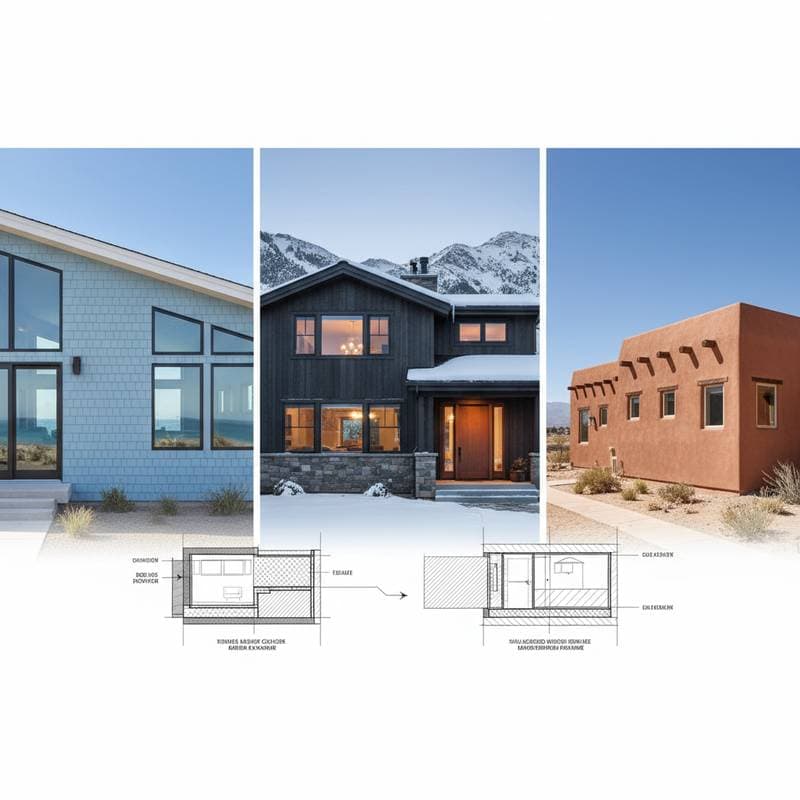
Siding That Thrives in Your Harshest Climate Zone
Home exteriors face unique challenges based on regional weather patterns. Intense sunlight and high temperatures test materials in arid zones, while coastal areas contend with salt spray and relentless moisture. Freeze-thaw cycles in colder regions can cause expansion and contraction that leads to cracking. Selecting siding that aligns with these conditions safeguards the home structure, reduces long-term repair expenses, and maintains aesthetic appeal over time.
This guide examines how to evaluate local climate demands, compare siding materials for durability and performance, and implement installation practices that enhance longevity. Homeowners gain practical insights into material selection, cost considerations, and maintenance routines tailored to specific environments. By prioritizing climate compatibility, individuals protect their property investment while achieving exteriors that endure seasonal extremes.
Understanding Siding Styles and Profiles
Siding profiles influence both visual design and functional performance. Homeowners should consider how each style integrates with architectural features and withstands local weather stresses. Proper selection ensures seamless coverage and effective water management.
Core Profiles
- Lap siding: Horizontal boards that overlap for a layered appearance, suitable for traditional and contemporary homes. This profile sheds water effectively when installed with adequate slope.
- Shingle or shake: Individual pieces that mimic natural wood textures, ideal for coastal or rustic settings. They provide shadow lines that add depth to facades.
- Board and batten: Vertical boards covered by narrow strips, offering strength against high winds. This design works well in exposed, gusty locations.
- Panel systems: Large, flat sheets made from fiber cement or metal, perfect for sleek, modern designs. Panels install quickly and cover broad surfaces uniformly.
Combining profiles allows customization, such as using lap siding on main walls and shakes on gables. Transitions require trim or flashing to direct water away from joints and prevent infiltration.
Evaluating Material Options for Climate Resilience
Material choice determines how well siding performs against environmental factors like temperature fluctuations, humidity, and precipitation. Each option balances cost, upkeep, and resistance to specific threats. Review the table below to match materials to regional needs, then consult local building codes for compliance.
| Material | Strengths | Limits | Best Climate Fit |
|---|---|---|---|
| Vinyl | Affordable initial price, integrated color prevents fading, simple surface cleaning | Prone to cracking below freezing temperatures, potential warping above 120 degrees Fahrenheit | Temperate zones with mild winters and summers |
| Fiber Cement | Resistant to fire, decay, and termites; accepts paint for customized finishes | Requires professional handling due to weight, periodic repainting every 10 to 15 years | Humid subtropical areas and wildfire-prone regions |
| Engineered Wood | Authentic wood grain appearance, pre-treated edges reduce moisture absorption | Demands repainting every 7 to 10 years, vulnerable to prolonged wetting | Arid or seasonally variable climates |
| Metal (Steel or Aluminum) | Incombustible, impervious to insects and rot, fully recyclable at end of life | Susceptible to dents from hail, conducts sound during storms | Salty coastal environments and fire-risk zones |
| Natural Wood | Eco-friendly sourcing, warm natural tones that age gracefully | Extensive maintenance including staining every 3 to 5 years, shrinks and swells with humidity | Dry interiors with minimal rainfall |
Factors like UV exposure influence color retention; lighter shades reflect heat in sunny locales. For mixed climates, hybrid systems combine materials, such as vinyl bases with fiber cement accents, to optimize performance.
Trim and Accent Considerations
Trim elements frame siding edges and protect vulnerable seams from weather intrusion. Opt for materials with similar expansion coefficients, like PVC trim paired with vinyl siding, to avoid gaps over time. Fiber cement trim complements cement boards by resisting impact and moisture equally.
Accent features, such as decorative panels in gables or entryways, introduce visual interest. Install them with ventilation gaps to allow airflow, reducing mold risk in damp conditions. These additions enhance curb appeal without compromising structural integrity.
Climate-Specific Application Examples
Tailor selections to precise environmental profiles for optimal results.
- Coastal residences: Aluminum siding paired with stainless steel fasteners combats corrosion from ocean air. Add corrosion-inhibiting coatings for extended protection.
- Mountain retreats: Engineered wood under wide roof overhangs shields against heavy snow loads and ice dams. Ensure proper drainage to handle spring thaws.
- Desert properties: Light-colored fiber cement in stucco finishes minimizes heat absorption. Integrate reflective barriers behind panels to improve energy efficiency.
- Urban developments: Metal panel systems with integrated rain screens promote ventilation in polluted, rainy cities. This setup facilitates quick inspections for urban wear.
In wildfire areas, prioritize noncombustible options and clear defensible space around the home perimeter.
Step-by-Step Preparation for Siding Installation
Successful projects begin with thorough planning to align installation with climate realities. Follow these steps to coordinate materials, professionals, and site conditions effectively.
- Establish project objectives: Determine priorities such as minimizing maintenance, enhancing insulation, or improving aesthetics. Assess current siding condition to gauge full replacement needs.
- Research qualified installers: Seek contractors licensed in your state, experienced with climate-specific materials, and knowledgeable about local permitting requirements.
- Solicit detailed proposals: Request itemized quotes covering labor, materials, and warranties. Verify contractor insurance and bonding for liability protection.
- Examine physical samples: View material swatches under natural light and request references from projects in comparable weather conditions.
- Site preparation: Remove old siding, repair sheathing, and install house wrap as a weather barrier. Protect adjacent landscaping and ensure stable ground for equipment.
- Schedule and monitor progress: Set clear timelines, daily check-ins for quality, and protocols for debris management and worker safety.
- Conduct inspections: Verify secure flashing at joints, proper nailing patterns every 16 inches, and adequate ventilation before enclosing walls.
Budget for 10 to 20 percent above estimates to cover unforeseen issues like rot discovery. Time installations during dry seasons to avoid weather delays.
Maintaining Siding for Enduring Performance
Post-installation care sustains siding integrity and prevents minor issues from escalating. Seasonal inspections identify early signs of distress, such as fastener loosening or sealant degradation.
Examine walls after extreme events, checking for water stains or material shifts. Address cracks promptly with compatible caulk to restore seals. Clean surfaces annually with mild soap solutions to remove debris without abrasive damage.
Maintain functional drainage by clearing gutters twice yearly and extending downspouts at least five feet from foundations. Prune overhanging branches to six inches clearance, deterring pest harborage and moisture buildup.
A well-maintained, climate-adapted siding system not only preserves home value but also contributes to energy savings through better insulation. Homeowners enjoy reliable protection and reduced upkeep demands year after year.