
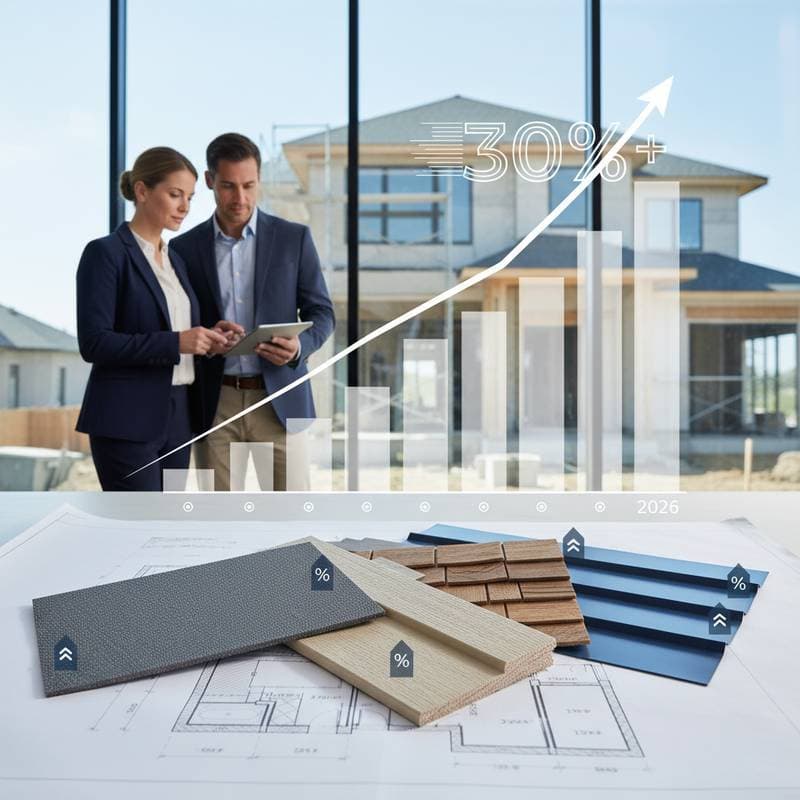
2026 Tariffs Ignite 30 Percent Siding Price Surge
Import tariffs scheduled for 2026 already influence the siding market with price hikes of 25 to 30 percent. Manufacturers and suppliers adjust costs in advance of these changes, affecting bids, material selections, and project timelines for homeowners. This resource details the impacts, forecasts future trends, and provides strategies to control expenses while maintaining quality in exterior renovations.
Comprehensive Cost and Planning Overview
Project Scope Essentials
A complete siding installation includes removing existing cladding, examining underlying sheathing for damage, installing fresh moisture barriers, adding trim elements, and applying new siding panels. Tariffs target imported raw materials such as aluminum, vinyl resins, and fiber cement components, which elevate production expenses for all major types. Domestic producers rely on these imports too, so every siding category faces upward pressure on pricing.
Installed Cost Ranges by Material
Homeowner experiences indicate these average installed costs per square foot, based on standard two-story homes with routine access and few complications:
| Material Type | Low Range (per sq ft) | High Range (per sq ft) | Typical Installed Cost (per sq ft) |
|---|---|---|---|
| Vinyl | $6 | $10 | $8 |
| Fiber Cement | $10 | $16 | $13 |
| Engineered Wood | $9 | $15 | $12 |
| Metal (Steel or Aluminum) | $11 | $18 | $14 |
Factors like steep roof pitches, intricate trim work, or necessary structural fixes can increase overall expenses by 15 to 25 percent. Contractors often quote based on square footage, so accurate measurements help refine estimates.
Key Factors Influencing Expenses
- Material Sourcing: Duties on imported panels or protective coatings directly add to base prices.
- Transportation and Storage: Rising fuel costs lead to higher surcharges, while increased warehouse demands inflate holding fees.
- Skilled Labor Availability: High demand for installers results in elevated hourly wages and longer project queues.
- Schedule Disruptions from Weather: Delays extend rental periods for equipment and scaffolding, compounding costs.
- Disposal of Debris: Fees for removing and disposing old materials fluctuate based on local regulations and landfill capacity.
Scheduling and Regulatory Considerations
Projects typically require two weeks for initial estimates and permit approvals, followed by one to two weeks for material procurement, and one to three weeks for on-site work. Municipal building offices often mandate permits, along with inspections to confirm compliance with fire resistance and wind load standards. Consult local codes early to avoid delays, and include these requirements in any contractor agreement.
Effective Budget Management and Adjustments
Request contracts that specify material allowances separately from labor charges. Ensure provisions clearly outline procedures for handling price fluctuations after the project starts. Watch for potential pitfalls such as post-bid material repricing, undisclosed shipping expenses, or supplemental fees for elements like flashing or soffit upgrades.
Partial Repairs Versus Full Replacement
For damage affecting fewer than 30 percent of panels, targeted replacements often prove more economical and preserve existing warranties. Beyond that threshold, a comprehensive overhaul typically offers superior durability, aesthetic uniformity, and extended protection against weather elements.
Material Durability and Installation Safety
Mitigating Weather-Related Vulnerabilities
Rising costs from tariffs might encourage shortcuts on essential components like underlayment or flashing, but these elements remain vital for longevity. Moisture barriers shield against rot, while precise flashing prevents water infiltration behind panels. Insist on certified weather-resistant membranes and corrosion-resistant fasteners, such as stainless steel, to safeguard the home's structure.
Performance Across Fire, Moisture, and Impact Scenarios
- Vinyl: Withstands minor impacts without denting but softens and deforms under intense heat.
- Fiber Cement: Provides non-combustible properties, making it suitable for areas prone to wildfires.
- Engineered Wood: Engineered with treatments for moisture and decay resistance, though it demands regular sealing applications.
- Metal: Achieves top fire ratings and durability, yet requires thicker gauges to resist hail damage.
Strategies to Avoid Common Installation Issues
Maintain a minimum six-inch clearance between siding and ground level, and ensure two inches of separation from roofs or decks to promote airflow. Seal all edges and joints thoroughly with appropriate caulk. Incorporate ventilation gaps behind panels as dictated by building codes to reduce moisture buildup.
Maintenance Routines for Longevity
Clean surfaces with soft-bristle brushes and low-pressure rinsing to remove dirt without scratching. Steer clear of abrasive tools or aggressive chemical solutions that could degrade finishes. For fiber cement, schedule repainting every 10 to 15 years based on exposure and original coating quality. Conduct yearly inspections of caulk lines and fasteners to catch issues early.
Understanding Warranty Protections
Manufacturers generally provide 20- to 50-year guarantees on material performance, contingent on professional installation methods. Neglecting maintenance, such as using improper cleaners or delaying touch-ups, may invalidate claims. Retain detailed records of installations, materials, and upkeep to support any future warranty requests.
Practical Preparation Steps for Your Siding Project
1. Establish Project Objectives and Measurements
Determine priorities, whether aesthetic enhancement, improved insulation, or reinforced weatherproofing. Calculate total wall surface areas and document specific areas needing underlying repairs, like sheathing replacement.
2. Select and Compare Contractors
Obtain bids from three to five licensed professionals specializing in siding. Evaluate proposals based on detailed scopes, specified brands, and finish specifications, rather than price alone.
3. Evaluate Material Samples
Ask for physical color swatches and on-site mockups to assess real-world appearance. Natural daylight alters perceptions, so test samples in various lighting conditions around the property.
4. Prepare the Worksite
Designate and clear areas for storing materials and equipment. Verify access to power sources for tools and ensure stable ground for ladders. Inform neighbors in advance about potential disruptions from scaffolding or waste containers.
5. Implement Ongoing Quality Assurance
Examine the weather barrier installation prior to panel attachment. Monitor daily progress for proper nail patterns and seam alignments. Conduct a thorough final inspection, addressing any deficiencies via a punch list before releasing final payment.
Securing Lasting Value Amid Market Shifts
Trade tariffs will persist through multiple cycles, underscoring the importance of proactive scheduling. Homeowners who finalize agreements ahead of supplier updates can capture more stable rates. Prioritize selections with extended maintenance cycles and warranties that transfer to new owners. Document every phase, adhere to care guidelines, and anticipate future needs to ensure the investment endures economic fluctuations and delivers decades of reliable protection.