
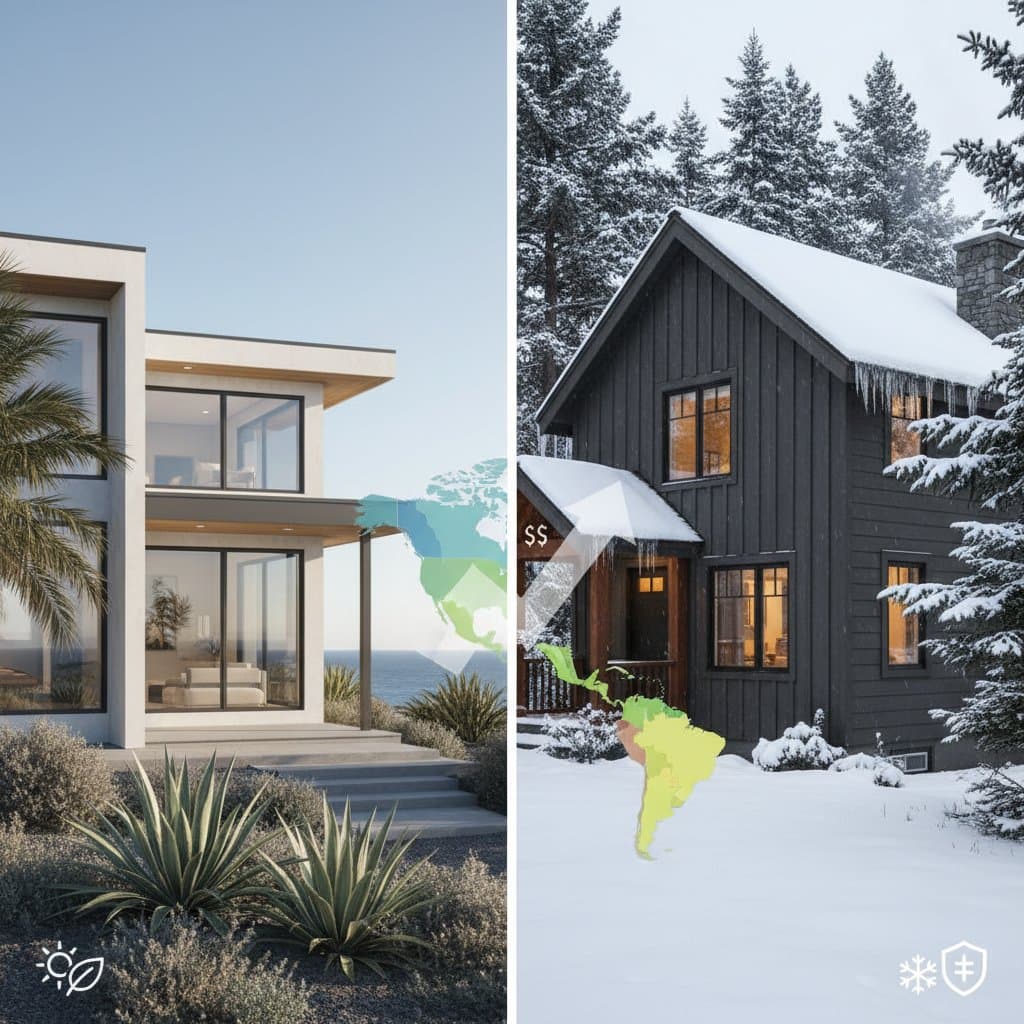
Introduction to Climate-Driven Siding Choices
Home exteriors endure varied environmental stresses that directly impact material performance and financial returns. In 2026, selecting siding aligned with local climate conditions will maximize return on investment through enhanced longevity, lower upkeep costs, and improved market appeal. Factors like temperature extremes, humidity levels, and precipitation patterns dictate which options deliver superior protection and value.
ROI calculations for siding extend beyond initial expenses to include installation, ongoing care, and eventual resale benefits. A mismatched material leads to premature wear, frequent repairs, and diminished curb appeal, eroding potential gains. Conversely, climate-appropriate selections safeguard structural integrity, energy efficiency, and aesthetic consistency over decades.
This guide examines key climate zones, recommends tailored materials, and provides practical steps for design, maintenance, and long-term success. Readers gain tools to evaluate options specific to their region, ensuring investments yield tangible returns.
Defining Climate Zones and Their Impact
The United States features diverse climate zones, each presenting distinct challenges for exterior finishes. Coastal areas experience high humidity and salt exposure, while inland regions contend with arid heat or freezing temperatures. The Department of Energy outlines zones from 1 (coldest) to 5 (hottest), influencing moisture retention, thermal expansion, and UV degradation.
In hot and humid zones, such as the Southeast, siding must resist mold growth and fading from intense sunlight. Cold climates in the Northeast demand materials that withstand freeze-thaw cycles without cracking. Moderate zones benefit from versatile options, yet all require attention to local weather data for precise matching.
Understanding these zones involves reviewing regional maps or consulting local building codes. Such knowledge prevents common pitfalls, like installing wood-based products in termite-prone areas, and positions homeowners for informed decisions that elevate property worth.
Top Siding Materials by Climate Zone
Material selection hinges on balancing upfront costs with projected lifespan and resale uplift. Vinyl siding offers affordability but varies in resilience across zones. Fiber cement provides robustness at a higher initial price, while metal and engineered wood serve niche needs.
Hot and Humid Zones (Zones 2-3, e.g., Florida, Gulf Coast)
These environments accelerate fading and warping due to prolonged sun exposure and moisture. Vinyl siding with UV inhibitors maintains color integrity for 20-30 years, costing $3-7 per square foot installed. Its low maintenance appeals to buyers, yielding 60-70% ROI on resale.
Fiber cement resists humidity better than wood, avoiding rot with proper sealing. At $8-14 per square foot, it endures 50 years, enhancing energy efficiency through better insulation. Metal siding, such as aluminum, reflects heat and prevents corrosion when coated, ideal for coastal salt air.
Avoid untreated wood here, as it succumbs to insects and decay. Prioritize fade-resistant finishes and ventilation systems to mitigate moisture buildup.
Cold and Wet Zones (Zones 5-6, e.g., Midwest, Pacific Northwest)
Freeze-thaw actions and heavy rains test material flexibility and sealing quality. Fiber cement shines with its non-combustible nature and resistance to cracking, priced at $7-12 per square foot for 40-50 year durability. It boosts home value by 5-8% through reliable weatherproofing.
Engineered wood products, like strand-based panels, mimic natural aesthetics while offering rot resistance in damp conditions. Installation costs range from $6-10 per square foot, with warranties up to 30 years. Vinyl performs adequately if impact-rated, but inspect for brittleness in sub-zero temperatures.
Steer clear of basic aluminum in snowy areas, as it dents easily. Emphasize proper flashing and drainage to direct water away from vulnerable joints.
Arid and Hot Zones (Zones 4-5, e.g., Southwest Deserts)
Intense dry heat causes expansion and color leaching, demanding UV-stable and low-expansion materials. Stucco or cement-based siding thrives, costing $6-11 per square foot and lasting 50+ years with minimal fading. Its thermal mass aids cooling, improving efficiency and appeal.
Vinyl with premium formulations handles heat without buckling, at $4-8 per square foot. Metal options like steel provide fire resistance and reflectivity, reducing urban heat island effects. These choices support 70-80% ROI by preserving appearance in harsh sunlight.
Limit porous materials like untreated brick, which absorb heat and require frequent sealing. Focus on light-colored surfaces to minimize solar gain.
Moderate Zones (Zones 3-4, e.g., Mid-Atlantic)
Balanced conditions allow flexibility, yet seasonal shifts still influence choices. HardiePlank fiber cement or LP SmartSide engineered wood offer versatility, with costs of $7-13 per square foot and lifespans exceeding 40 years. Both enhance curb appeal and energy performance.
Vinyl remains popular for its ease, delivering solid ROI through quick installation and low care. Select based on specific microclimates, such as urban pollution or occasional storms, to optimize protection.
Design Strategies for Visual and Functional Appeal
Effective design amplifies siding's ROI by enhancing architectural harmony and buyer interest. Consistent trim widths across all elevations create a unified look, while medium contrast between siding and trim ensures edges remain defined without overwhelming the facade.
Apply deeper tones to lower walls for visual grounding, drawing the eye upward to highlight entries. Incorporate clean lines, modern house numbers, and symmetrical lighting to elevate entryways. These elements signal thoughtful updates, increasing perceived value.
Color selection influences photography and marketability. Warm neutrals perform well under bright sunlight, conveying warmth and timelessness. Cool grays suit shaded properties, offering a contemporary edge. Maintain uniform tones across the structure to avoid appearances of uneven repairs.
Key Design Checklist:
- Maintain uniform trim widths for balanced proportions.
- Select medium-contrast colors for trim to define features clearly.
- Use darker shades on base levels to anchor the design.
- Accentuate doors and windows with streamlined hardware and even illumination.
Maintenance Practices for Extended Durability
Regular upkeep preserves siding integrity, preventing minor issues from escalating into costly overhauls. Resilient materials still require periodic attention to coatings and seals, ensuring they function as intended.
Seasonal Maintenance Schedule:
- Spring: Clean surfaces using mild detergent and a soft brush; inspect and refresh caulk around joints.
- Summer: Examine paint or stain layers, applying touch-ups to weathered areas.
- Fall: Clear gutters and downspouts to eliminate water splashback that causes discoloration.
- Winter: Assess for ice accumulation or panel shifts following severe weather events.
Employ low-pressure rinsing below 1,200 psi to remove debris without compromising seals. Refrain from abrasive cleaners that erode protective finishes. Conduct full perimeter inspections annually, particularly after storms, checking for seam distortions, flaking coatings, or moisture trails.
Prompt interventions on small defects halt progression to widespread damage. Document all activities with timestamps and images to strengthen warranty positions.
Warranty Essentials:
Most manufacturers guarantee against material flaws for 25-50 years, yet exclude improper installation or deferred maintenance. Retain records of professional services, including cleaning and refinishing, to validate claims.
Securing Long-Term Value and Peace of Mind
The optimal siding investment aligns material strengths with regional weather demands, fostering resilience and appeal. In humid tropics, fade-proof vinyl or corrosion-resistant metal minimizes interventions and upholds aesthetics. Harsh winters benefit from fiber cement's unyielding defense against elemental assaults.
Homeowners who prioritize climate compatibility realize reduced expenses over time and heightened buyer enthusiasm. View siding as an integrated shield that upholds the home's framework, optimizes insulation, and delivers enduring satisfaction. Through strategic choices in 2026, achieve a exterior that not only withstands challenges but elevates overall property performance.