
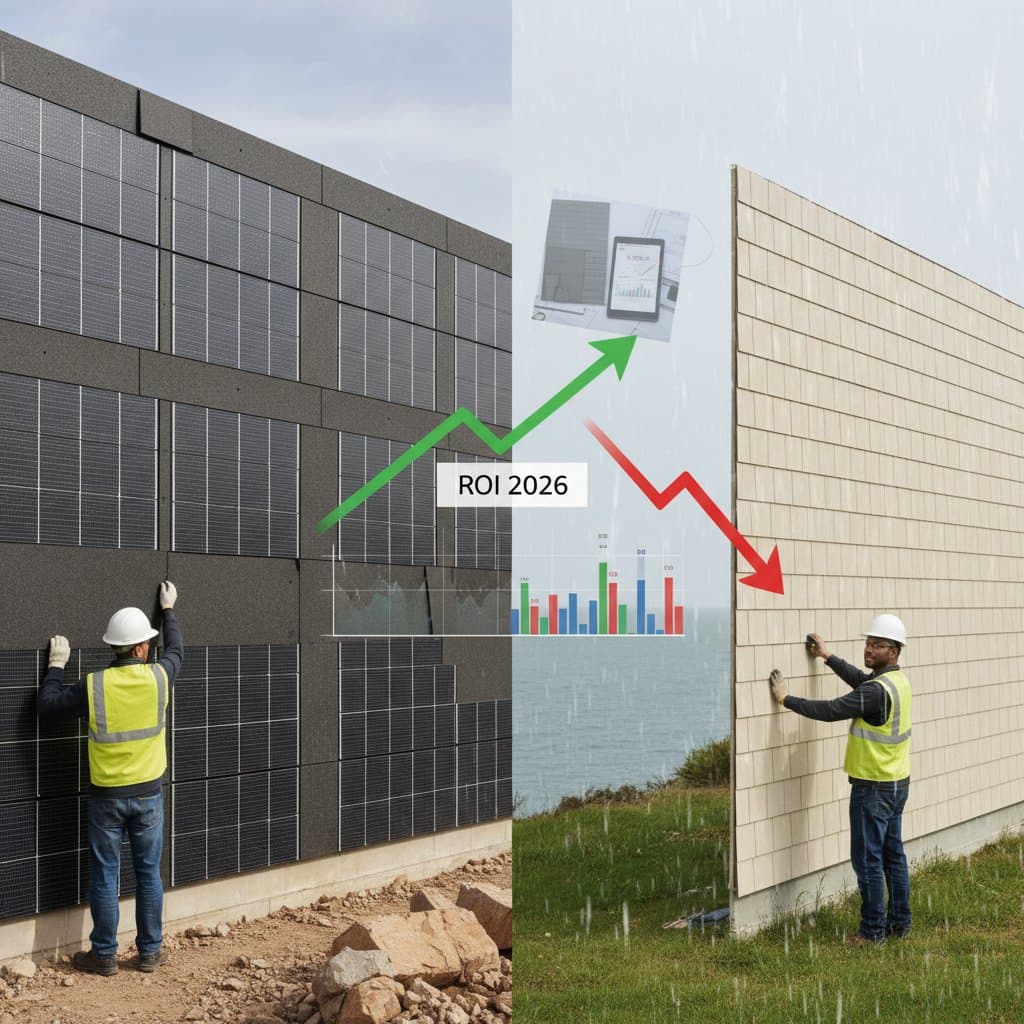
Why Climate Zones Determine Siding Return on Investment in 2026
Homeowners frequently prioritize elements like color, texture, or brand reputation when selecting siding materials. However, the key factor influencing long-term value lies in how well the siding adapts to the local climate. Materials that excel in one environment may deteriorate rapidly in another, diminishing both visual appeal and property resale potential. Climate zones establish boundaries for material durability, upkeep requirements, and energy efficiency. Aligning siding choices with environmental conditions provides the most reliable method to safeguard investments.
At-a-Glance Project Overview
- Project Scope: Complete siding replacement or partial re-skinning on specific areas
- Timeline: One to three weeks, based on home dimensions and selected material
- Complexity Level: Moderate to high; professional installation strongly advised
- Cost Estimate: Eight to twenty-five dollars per square foot for installed work, varying with demolition, insulation additions, trim elements, and site accessibility
Selecting Materials and Profiles
Different siding materials react uniquely to temperature fluctuations, humidity levels, and sun exposure. The initial step toward minimizing future expenses involves pairing the material with prevailing climate characteristics.
| Material Type | Key Strengths | Potential Drawbacks | Required Maintenance | Fire and Moisture Performance |
|---|---|---|---|---|
| Vinyl | Affordable pricing, extensive color options | Prone to warping in intense heat, becomes brittle in freezing temperatures | Annual washing, regular crack inspections | Moderate fire resistance, minimal moisture uptake |
| Fiber Cement | Superior protection against fire, pests, and decay | Substantial weight, requires repainting every ten to fifteen years | Yearly cleaning, repainting on schedule | Outstanding fire and moisture resistance |
| Engineered Wood | Natural aesthetic appeal, reduced installation weight | Vulnerable to swelling at edges without proper sealing | Repainting or resealing every five to seven years | Solid fire performance with protective coatings, fair moisture resistance |
| Metal (Steel or Aluminum) | Extended service life, environmentally recyclable | Susceptible to dents, colors may fade gradually | Biannual washing, periodic paint touch-ups | Exceptional fire resistance, impervious to moisture |
| Composite or Polymer Panels | Consistent color retention, minimal thermal expansion | Elevated upfront cost, fewer qualified installers available | Basic cleaning routines only | Superior fire and moisture resistance |
Recommendations for Texture Combinations: Limit combinations to two materials per exterior wall section. Align vertical transitions with trim lines or accent features. Excessive mixing leads to complicated maintenance routines and disrupts visual harmony.
Practical Recommendation: Choose siding materials with established performance histories in your area's humidity levels, freeze-thaw cycles, and wind forces. This alignment decreases the need for frequent repaints and repairs, thereby enhancing overall return on investment.
To further illustrate, consider coastal regions where salt-laden air accelerates corrosion. In such environments, fiber cement or metal options outperform vinyl, which may chalk or discolor prematurely. Conversely, in arid deserts, vinyl's low maintenance shines, avoiding the painting demands of wood-based products. Research local building codes and consult regional case studies to validate choices.
Ensuring Installation Quality and Mitigating Risks
The quality of installation represents the primary determinant of siding endurance. Premium materials lose effectiveness without a properly sealed and ventilated wall assembly.
Details on Building Envelope Protection:
- Install a seamless weather-resistive barrier behind the siding, overlapping layers in a shingle pattern to direct water outward.
- Apply flashing around all openings, including windows and doors, using adhesive-compatible tapes or metal pieces.
- Incorporate vertical furring strips over insulated sheathing to promote airflow and avoid moisture accumulation.
Frequent Problem Areas:
- Lower Edges: Water from ground splash-back can infiltrate via capillary action, leading to rot in trim or underlying sheathing.
- Seam Joints: Unsealed gaps permit wind-driven rain to penetrate the structure.
- Fastening Methods: Excessively driven nails fracture rigid materials, whereas insufficient penetration results in panel loosening over time.
Preparation for the Site and Neighbor Relations:
- Verify positions for dumpsters and material deliveries prior to starting demolition.
- Safeguard plants and grounds with protective coverings, and maintain clear routes for waste removal.
- Inform adjacent residents of anticipated noise levels and working hours to prevent conflicts.
In addition to these basics, evaluate the site's drainage patterns. Poor grading can channel water toward foundations, exacerbating siding failures. Professionals should perform a pre-installation moisture assessment to identify hidden vulnerabilities.
Practical Recommendation: Engage installation teams certified in your specific siding system. Inadequate execution not only invalidates manufacturer warranties but also halves the expected material lifespan.
Choosing Contractors and Evaluating Bids
A comprehensive contract secures both financial limits and project schedules. Evaluate proposals against consistent standards for fair comparisons.
Essential Scope Elements:
- Specifications for material type, profile dimensions, and surface finishes
- Descriptions of underlayment and moisture management systems
- Details on trim components, flashing integrations, and supplementary accessories
- Strategies for demolition, waste handling, and disposal
- Compliance with local permits and required inspections
Approach to Bid Analysis:
- Insist on pricing presented as cost per square foot to facilitate direct comparisons.
- Eliminate bids containing provisional allowances or ambiguous "pending determination" clauses.
- Demand explicit warranty durations for labor performance and material integrity.
Structured Payment Terms: Tie disbursements to defined project phases, including material arrival, progress reviews, and completion sign-off. Withhold ten percent of the total until resolution of any final adjustments.
Beyond bids, review contractor portfolios for projects in similar climates. Inquire about their experience with extreme weather events, such as hurricanes or blizzards, which test installation resilience.
Practical Recommendation: Select contractors who provide references from projects within your climate zone. Their knowledge of local conditions minimizes the likelihood of post-installation issues.
Maximizing Benefits from Your Siding Decision
Siding suited to local climate conditions contributes to reduced interior noise, decreased insurance costs, and sustained attractiveness to potential buyers. Prospective purchasers appreciate exteriors that weather uniformly, with secure joints and vibrant finishes. Properties that withstand seasonal challenges demonstrate robust construction quality.
For optimal results, homeowners achieve the highest returns through selections of resilient materials, meticulous installation practices, and maintenance routines adapted to environmental demands. View siding as an integral component of the home's defensive barrier, extending beyond mere ornamental purpose. Regular inspections, particularly after severe weather, preserve performance and value over decades.