
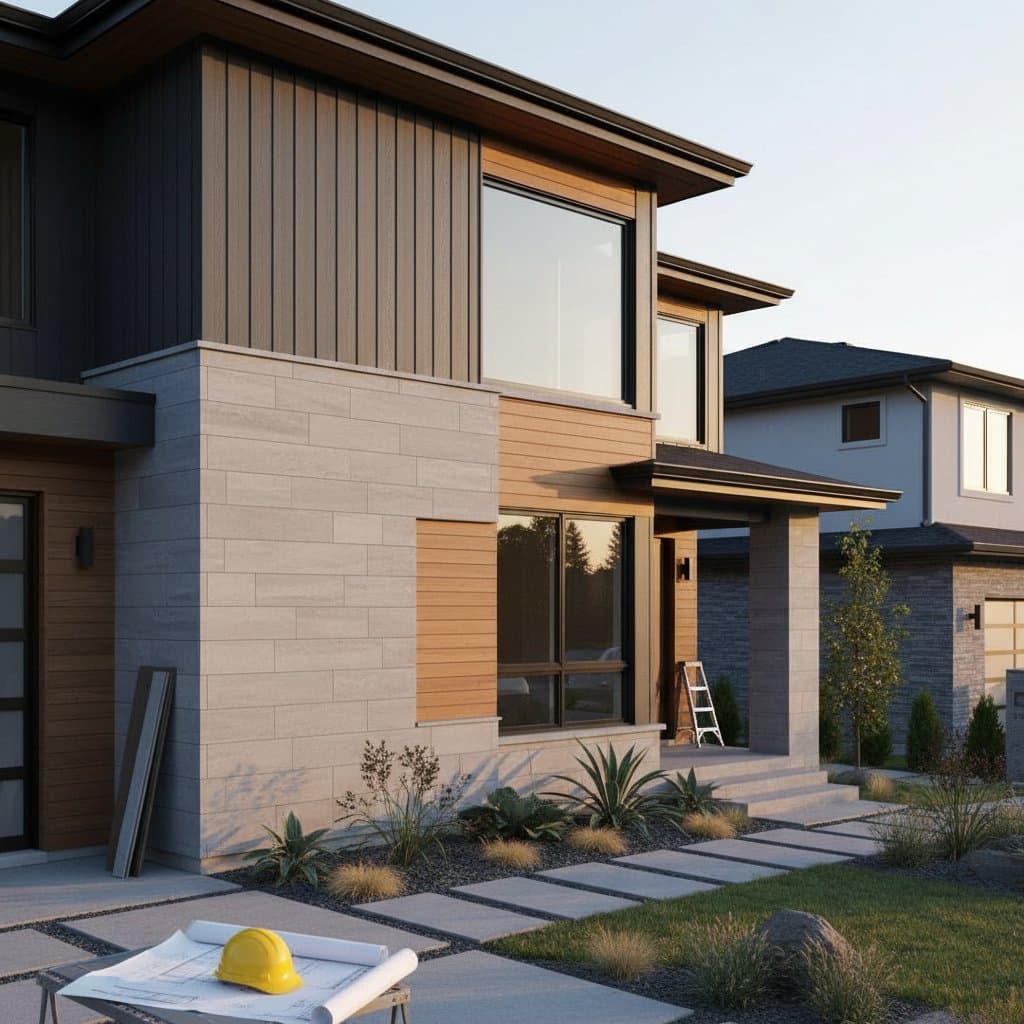
Mixed Material Siding: Achieving 30% Cost Savings in 2026
Homeowners face rising material costs and labor expenses when planning exterior renovations. Mixed material siding addresses these challenges by integrating multiple cladding types into one cohesive design. This method enhances curb appeal while reducing overall project expenses by up to 30 percent relative to uniform premium material applications. Success depends on thoughtful selection of materials, precise installation techniques, and comprehensive planning.
Strategic combinations preserve visual harmony and structural integrity. Homeowners achieve a balance between high-impact aesthetics and practical budgeting. The result offers improved return on investment through enhanced property value and minimized upkeep demands.
Selecting Materials and Profiles for Optimal Results
Hybrid siding thrives on complementary material pairings that leverage individual strengths. Consider factors such as cost efficiency, durability, and visual appeal when choosing options. Each material contributes unique benefits to the overall composition.
| Material Type | Key Strengths | Potential Drawbacks | Maintenance Requirements |
|---|---|---|---|
| Vinyl | Affordable pricing, extensive color options | Shallow texture variety | Minimal |
| Fiber Cement | Resistance to fire, sharp edge definition | Substantial weight, periodic repainting required | Moderate |
| Engineered Wood | Natural warmth, robust manufacturer warranties | Sealing necessary at cut edges | Moderate |
| Metal Panels | Contemporary aesthetic, high longevity | Susceptibility to dents | Minimal |
| Composite Boards | Consistent dimensional performance | Elevated upfront material expenses | Minimal |
Effective pairings maximize these attributes while controlling expenses. For instance, apply fiber cement to prominent front facades and vinyl to less visible side or rear sections. This tactic maintains an upscale appearance at a fraction of the cost of full fiber cement coverage.
Pair metal panels with wood-look composites for a sleek, enduring modern facade. Incorporate stone veneer accents alongside fiber cement to introduce tactile depth near entryways or structural columns, thereby elevating resale potential.
Fiber cement and metal panels both achieve Class A fire ratings, ensuring compliance in high-risk areas. Vinyl and engineered wood provide reliable moisture resistance with the addition of vented rainscreen systems during installation.
To streamline the design process, restrict material changes to one or two horizontal divisions per wall elevation. This approach minimizes complexity in flashing applications and lowers the probability of future water infiltration issues.
Ensuring High-Quality Installation and Mitigating Risks
Projects involving multiple materials feature additional seams and transition zones compared to single-material installations. Proper management of these elements prevents moisture penetration and accommodates natural expansion and contraction.
Address frequent vulnerabilities through proactive measures. Install metal Z-flashing combined with a continuous backer rod beneath joint trim to seal horizontal transitions effectively against leaks. Adhere strictly to each material's specified fastener intervals to avoid warping or uneven settling.
Incorporate rainscreen battens or ventilated furring strips behind denser claddings to promote airflow and prevent moisture accumulation in wall cavities. These steps safeguard the building envelope over time.
Prepare the site meticulously to minimize disruptions. Cover nearby landscaping and driveways with protective tarps to shield them from debris. Time cutting and demolition activities for daylight hours that respect community noise guidelines.
When projects border neighboring properties, secure written approval for access rights in advance. This precaution fosters positive relations and avoids potential delays.
Require your installation team to document all critical layers, including flashing and moisture barriers, with photographs prior to concealing them under siding. Such records prove invaluable for validating warranty claims should issues arise later.
Choosing Contractors and Defining Project Scope
Select contractors experienced in hybrid installations to navigate the intricacies of mixed materials. Demand detailed bids that outline every aspect to prevent unexpected expenses and misunderstandings.
Use this comprehensive scope checklist to guide discussions:
- Specify exact material types, profiles, and quantities
- Detail moisture barriers, flashing systems, and ventilation provisions
- Define trim materials, color schemes, and finish applications
- Clarify methods for disposing of existing siding and managing waste
- Assign responsibilities for obtaining permits and scheduling inspections
Request multiple bids from vetted professionals and compare them against this framework. Verify contractor credentials, including licensing, insurance coverage, and references from similar projects. A well-defined contract protects all parties and ensures alignment with your vision.
Realizing Lasting Value from Your Siding Investment
Thoughtfully executed mixed material siding imparts dynamic visual appeal, curbs expenses, and streamlines maintenance routines. Designs that employ subtle contrasts accentuate architectural features without compromising the home's protective shell.
Homeowners benefit from refreshed exteriors that enhance daily enjoyment and boost marketability. Pairing resilient, cost-effective materials yields a renovation that withstands environmental stresses while preserving financial prudence. Over time, this investment translates to heightened property equity and reduced ownership costs.