
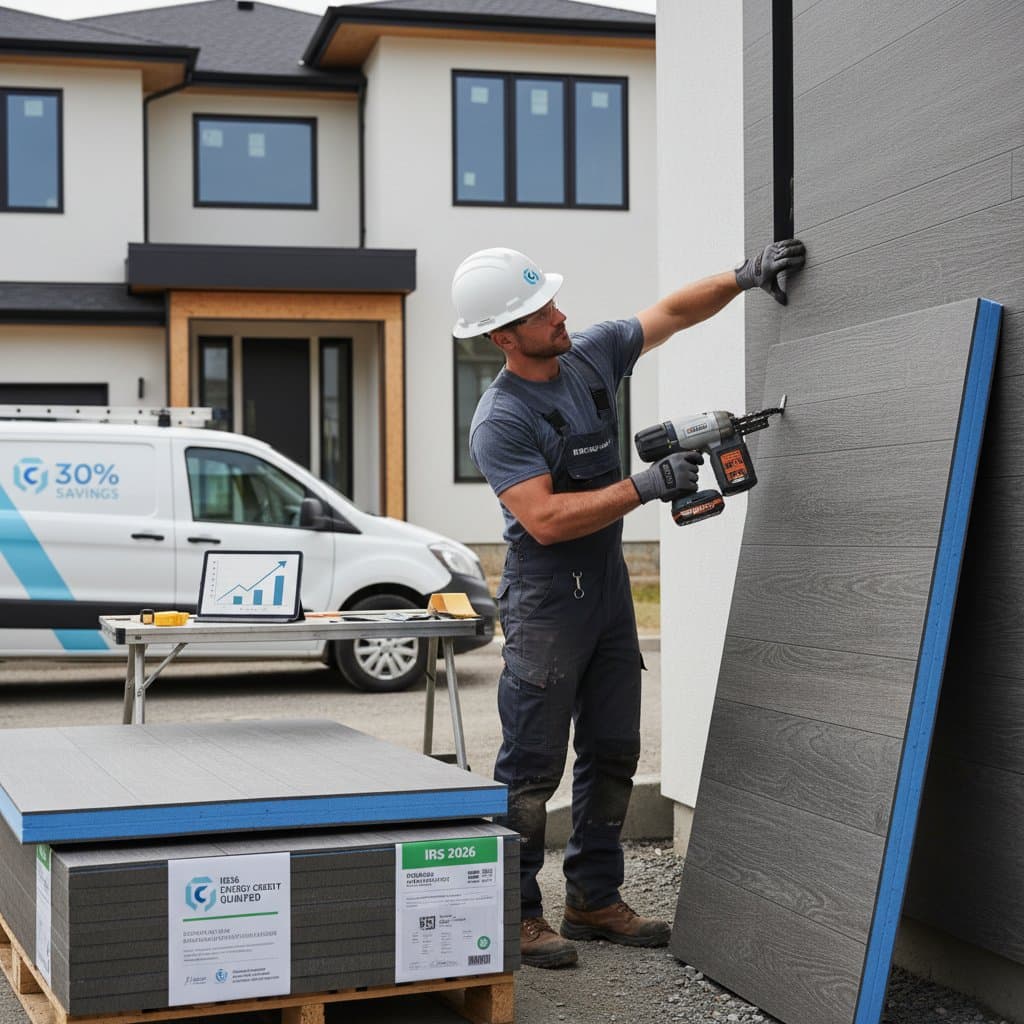
2026 IRS Rules Expand Siding Replacement Tax Credits
Homeowners planning an exterior siding upgrade now have stronger financial backing through new IRS rules. These rules expand tax credits for qualified energy efficient materials. The credits make high performance siding more affordable. They also encourage projects that improve insulation and reduce long term energy loss.
This guide explains the changes. It covers what qualifies. It shows how to plan a compliant installation. It details how to capture every available benefit.
Cost and Planning Guide
Replacing siding combines exterior protection, insulation upgrades, and curb appeal improvements. The new tax credit rules apply to materials that meet or exceed thermal resistance and energy performance standards.
Scope of Work
A typical qualifying project includes removal of existing siding. It requires inspection and repair of sheathing. Installation of a weather resistant barrier follows. Then comes application of new insulated or reflective cladding. Some projects add continuous exterior insulation to meet performance thresholds.
Cost Range
Costs vary by material type.
- Vinyl and polymer siding: 5 to 9 dollars per square foot installed
- Fiber cement or composite boards: 8 to 13 dollars per square foot
- Engineered wood siding: 7 to 11 dollars per square foot
- Insulated panels or reflective systems: 10 to 16 dollars per square foot
Federal credits reduce eligible material costs. They do not cover total project cost. Labor, demolition, and paint are generally excluded. Homeowners can pair the credit with local or utility rebates.
Cost Drivers
Material selection determines eligibility because only siding with certified insulation or reflectivity ratings qualifies. Wall condition affects outcomes since extensive sheathing repairs raise cost and may delay credit eligibility until structural work passes inspection. Access and height matter for multi story homes that require more staging and safety setup. Trim complexity adds labor and material for custom corners, soffits, and window casings. Documentation reduces audit risk when manufacturer certificates confirm credit compliance.
Timeline and Process
A full siding replacement moves from estimate to completion in four main steps. First obtain written proposals and certification documents during bid and material selection. Next secure local approvals that confirm code compliance. Installation then runs one to two weeks for removal, repair, and replacement. Finally keep invoices, material certificates, and contractor license copies for tax filing.
Budget Controls
Request a fixed scope in writing. Set a change order rate before work starts. Ask the contractor to separate insulation or energy rated materials on the invoice since only those line items qualify for credits.
Repair vs Replace
If less than 25 percent of siding is damaged, patch repair may be cheaper. For larger areas, replacement with an insulated system often delivers better long term value and qualifies for credits. Always confirm that partial replacements meet local code and energy standards.
Durability and Safety Brief
Tax incentives encourage performance, but durability and safety remain top priorities in every climate.
Weather Resistance
Select siding rated for local wind pressure and impact. In storm zones choose interlocking panels with mechanical fasteners. In wet regions install ventilated rainscreens behind cladding to prevent trapped moisture.
Fire and Impact Ratings
Fiber cement and certain metal composites carry Class A fire ratings, the highest for residential use. Vinyl and engineered wood fall under Class B or C, which still meet most local codes but require separation from open flame sources.
Moisture and Envelope Details
Always install a continuous weather resistant barrier such as house wrap or rigid insulation beneath the siding. Flash all openings with self sealing tape. Proper detailing prevents water intrusion that voids warranties and disqualifies credits.
Care and Cleaning
Rinse siding with low pressure water and mild detergent each year. Inspect caulking and repaint fiber cement or wood based materials every two to three years. Check fasteners and trim for loosening after storms. Avoid power washers above 1500 psi or harsh solvents that can damage finishes.
Warranty Basics
Most energy rated siding carries a limited lifetime warranty on finish and structure. Follow cleaning instructions, avoid abrasive tools, and document maintenance to keep coverage valid. Transferability rules vary so confirm terms before resale.
Long Term Value of Compliant Siding
Once installed, compliant siding lowers energy bills and reduces outside noise. The expanded tax credits reward homeowners for choosing durable materials that protect both structure and comfort. Homeowners who keep documentation organized, follow maintenance schedules, and verify each step of installation secure the full value of the credit while extending the life of their exterior envelope.