
Siding Installation Costs Set to Double Amid Labor Shortage
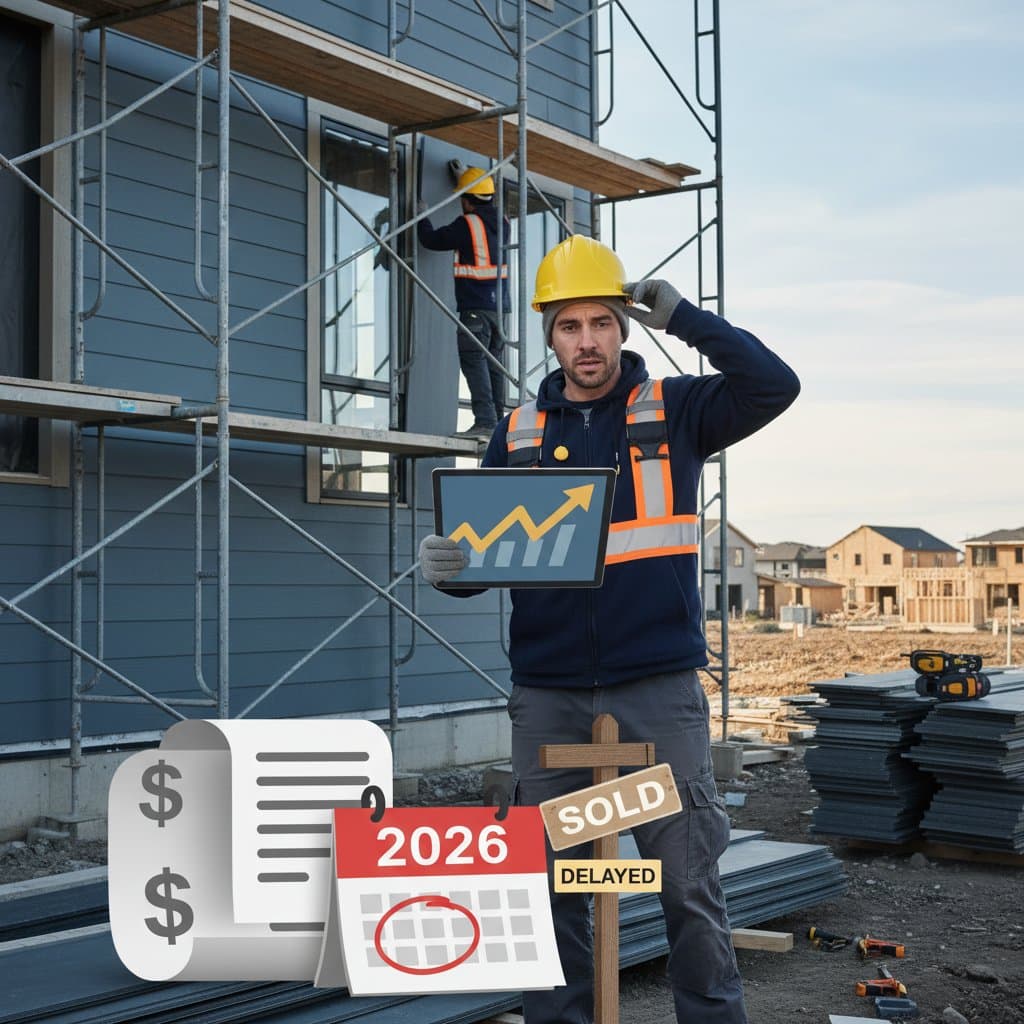
Homeowners contemplating exterior renovations receive consistent alerts across the construction sector. Skilled labor remains scarce, installation teams face extended booking periods, and siding project expenses prepare for substantial increases. Experts forecast that the deficit in qualified installers may elevate overall costs to approach double the present norms. These rises stem not solely from wage adjustments but also from delayed timelines, elevated fees for subcontractors, and diminished rivalry among providers in numerous locales.
This resource outlines the primary influences on these escalating expenses, strategies to navigate constraints, and methods to maintain project momentum despite limited workforce availability.
Selecting Styles and Materials
Essential Profiles
Clapboard siding aligns well with classic residential designs and facilitates efficient installation processes. Board and batten configurations incorporate vertical elements alongside additional trim work, which extends labor requirements. Shingle panels introduce varied textures yet necessitate precise alignment during placement. Metal or composite panels offer contemporary aesthetics, though they involve specialized tools and fastening techniques that increase expenses.
Material Comparisons
The table below summarizes key attributes of common siding materials, highlighting their advantages, drawbacks, and effects on installation time.
| Material | Pros | Cons | Labor Impact |
|---|---|---|---|
| Vinyl | Requires minimal upkeep, lightweight for handling | Prone to cracking in low temperatures, offers limited fire protection | Enables rapid installation |
| Fiber Cement | Provides longevity, accepts paint applications easily | Substantial weight demands robust support, requires specific cutting equipment | Results in extended installation periods |
| Engineered Wood | Delivers a natural appearance with pre-applied finishes | Demands sealing at edges to prevent moisture entry | Supports moderate installation pace |
| Metal | Resists fire and pest damage effectively | Calls for advanced installation expertise | Demands the longest installation duration |
Guidelines for Combinations and Trims
Integrating horizontal and vertical patterns enhances visual interest but prolongs planning and execution phases. Position transitions at natural divisions, such as level with floor lines or beneath porch eaves. Initiate trim planning at the project's outset; altering profiles during progress can significantly extend preparation times for cuts and fits.
Practical Application Examples
For a modest single-story ranch house, opt for vinyl or engineered wood options with a straightforward team, yielding costs of approximately $15 to $25 per square foot. A two-level Craftsman residence benefits from fiber cement paired with intricate trim details, ranging from $25 to $45 per square foot. Contemporary urban additions suit metal panels featuring hidden fasteners, priced between $40 and $60 per square foot.
These estimates account for current labor conditions; anticipate adjustments upward as shortages intensify. Consult local suppliers for region-specific pricing and availability to refine budget projections.
Ensuring Durability and Safety
Addressing Weather Challenges
Workforce constraints may pressure teams to accelerate tasks, yet hasty approaches in applying flashing or sealants invite premature deterioration. Water penetration behind the siding surface represents the leading trigger for claims under warranties. Verify that all exterior walls incorporate house wrap secured with taped joints and include kick-out flashing where roofs meet vertical planes to direct runoff effectively.
Evaluating Fire and Impact Resistance
Vinyl materials deform under moderate heat exposure and sustain ignition from open flames. In contrast, fiber cement and metal variants demonstrate strong fire-retardant properties. Engineered wood selections rely on certified protective coatings, though they require specified distances from potential heat sources like outdoor cooking appliances. In regions susceptible to hailstorms, select heavier-gauge metal or fortified fiber cement panels to enhance impact endurance and extend service life.
Critical Envelope Components
Establish a drainage plane behind every rigid panel to facilitate moisture escape. Employ fasteners resistant to corrosion for secure attachment. Properly seal all openings surrounding fixtures such as exterior lighting, ventilation units, and outdoor faucets to prevent air and water infiltration.
Routine Maintenance Protocol
- Clean the siding surface annually using a gentle solution of mild detergent and low-pressure rinsing.
- Examine caulking at joints and refresh paint applications every two to three years to maintain integrity.
- Trim surrounding foliage to maintain at least a six-inch clearance from wall surfaces.
- Refrain from high-pressure washing methods, as they risk compromising manufacturer guarantees.
Understanding Warranty Provisions
Manufacturers typically provide distinct coverage for surface finishes and underlying substrates. Provisions for installation labor often extend only to one year; secure written confirmation of extended installer warranties to protect against future issues.
Regular adherence to these practices not only preserves appearance but also mitigates risks associated with labor-induced shortcuts, ensuring long-term performance.
Preparing for Your Siding Project
- Clarify Objectives and Extent. Determine whether the initiative focuses on aesthetic enhancements, targeted repairs, or comprehensive envelope improvements to guide material and scope decisions.
- Identify Potential Contractors. Request documentation of licensing, insurance coverage, and certifications from manufacturers to validate expertise.
- Evaluate Proposals. Insist on detailed breakdowns separating labor charges, material costs, and waste removal fees for transparent comparisons.
- Examine Prototypes and Simulations. Finalize selections for hues and arrangements through physical samples or small-scale mockups prior to committing to bulk orders.
- Ready the Property. Relocate automobiles, prune overhanging branches, and ensure unobstructed access to all targeted walls.
- Establish Operational Protocols. Coordinate expected commencement hours, arrange electrical outlets for tools, and designate zones for debris accumulation.
- Monitor Progress Points. Assess sheathing stability prior to applying wraps, inspect flashing installations before siding attachment, and conduct a thorough final inspection to address any deficiencies before releasing payment.
By following this sequence, homeowners minimize disruptions and align expectations with available labor resources, fostering smoother executions even under constrained conditions.
Safeguarding Your Siding Investment
Anticipated labor deficits will elevate not just initial outlays but also intervals between upkeep activities. Preserve value through meticulous documentation of product specifications, color codes, and attachment methods. Such records streamline future interventions, enabling subsequent teams to continue seamlessly from prior efforts.
For imminent exterior undertakings, obtain quotations promptly and formalize commitments via executed contracts. Negotiate terms that secure pricing stability through to the scheduled commencement. Investing in a dependable provider with consistent personnel incurs a higher upfront cost, yet delivers assured outcomes and robust warranty support, ultimately justifying the expenditure.