
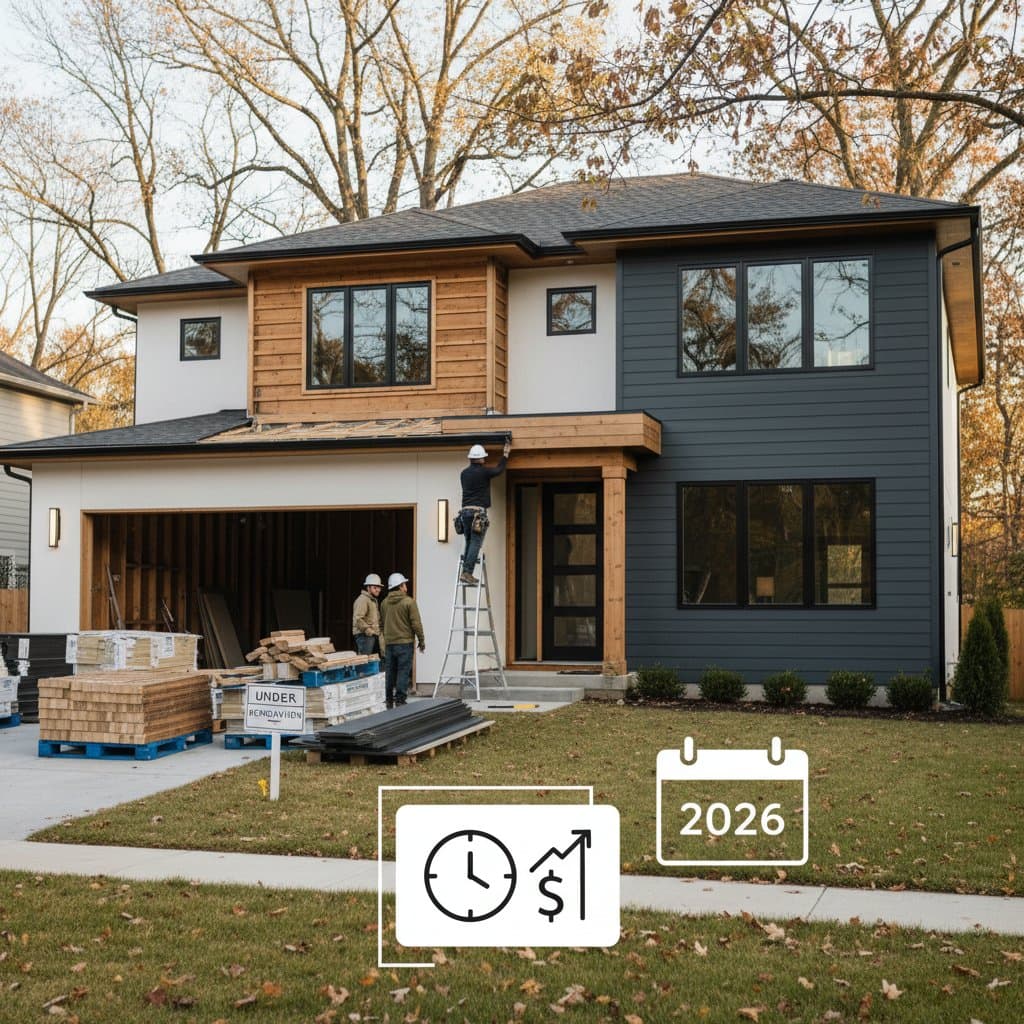
Best Time to Replace Siding and Save Up to $8K in 2026
Replacing exterior siding ranks among the largest home improvement projects. Strategic timing trims thousands from labor, material, and financing costs while improving installation quality. Weather patterns, contractor availability, and supply cycles influence both price and results. Aligning the project with these variables produces a smoother process and a lower total bill.
Cost and Planning Guide
Scope of Work
Siding replacement typically covers removal of the old cladding, upgrades to the weather-resistive barrier, flashing repairs, and new trim installation. Some projects require sheathing or insulation replacement when moisture damage appears. Greater scope extends the timeline and raises the final cost.
Total Range and Typical Figures
- Vinyl: 6 to 9 dollars per square foot installed
- Fiber cement: 9 to 13 dollars per square foot
- Engineered wood: 10 to 14 dollars per square foot
- Composite or metal panels: 12 to 18 dollars per square foot
These prices assume average access and single-story construction. Steep grades, tall walls, or detailed trim increase costs by 15 to 30 percent.
Cost Drivers
- Labor demand rises during mild weather, so off-peak booking lowers hourly rates.
- Material prices drop when suppliers clear inventory after peak seasons.
- Added features such as new soffits or window wraps increase expenses quickly.
- Difficult access or multi-story scaffolding extends setup time.
- Permit fees vary by locality and are often charged per square foot.
- Hidden moisture damage in sheathing or framing can add several thousand dollars.
Timeline from Bid to Punch List
A realistic schedule spans two to six weeks from contract signing to final walkthrough. Material lead times and crew availability affect duration. Weather delays occur most often during wet or windy periods. A written schedule with clear milestones keeps progress visible.
Permits, Inspections, Access
Most residential siding projects require a building permit. Inspectors verify flashing, barriers, and fastening patterns before approval. Prepare clear work zones, relocate vehicles, and trim landscaping to accommodate scaffolding and material storage.
Budget Controls and Change Order Traps
Secure a fixed bid with itemized allowances. Require written change orders for every addition. Common surprises include substrate rot, insulation upgrades, and trim changes. Maintain a 10 percent contingency for unexpected items.
Repair vs Replace Guidance
When more than 25 percent of panels show cracks, warping, or delamination, full replacement proves more economical. Spot repairs remain viable only when the existing material stays stable and matching replacements are available.
Durability and Safety Brief
Weather Risks for the Area
Cold climates require siding that withstands freeze-thaw cycles. Hot, sunny regions need UV-stable coatings. Coastal areas call for corrosion-resistant fasteners and moisture-tolerant substrates. High wind exposure demands reinforced nailing patterns that follow manufacturer schedules.
Fire, Moisture, and Impact Performance
- Fiber cement remains noncombustible and stable under high heat.
- Vinyl resists moisture yet may deform near open flame.
- Engineered wood requires sealed cuts to prevent swelling.
- Metal offers an excellent fire rating but can dent from impact.
Envelope Details That Prevent Failures
- Install a continuous weather-resistive barrier behind the siding.
- Lap flashing above all horizontal joints.
- Maintain six inches of clearance from grade.
- Seal penetrations with approved caulk rather than general-purpose sealant.
- Vent attics and wall cavities to limit condensation.
Care Schedule and Safe Cleaning Methods
Wash siding annually with mild soap and water. Inspect caulk joints and repaint fiber cement every 10 to 15 years. Avoid pressure washers above 1,500 psi. Replace loose or cracked boards promptly to block moisture entry.
Warranty Basics and Owner Responsibilities
Most warranties cover manufacturing defects but exclude installation errors. Retain all receipts, color codes, and installer certifications. Follow the manufacturer cleaning and repainting schedule to preserve coverage.
Timing Insights to Maximize Savings
Seasonal Demand Patterns
Contractors experience peak demand during mild, dry months, which drives prices higher. Scheduling during slower periods, when exterior work remains feasible, reduces labor rates by 10 to 20 percent. Suppliers sometimes offer rebates on prior-season stock, adding further savings.
Material Price Cycles
Manufacturers adjust pricing after major construction periods. Ordering before these adjustments stabilize can lower material costs by several dollars per square foot. Purchasing early and storing materials under cover secures pricing and prevents delays.
Weather and Installation Quality
Stable, moderate conditions produce the best results. Extreme heat softens vinyl and causes expansion. Extreme cold makes materials brittle. Fiber cement and wood perform best in dry air, which reduces trapped moisture. These windows yield a tighter, longer-lasting building envelope.
Labor Efficiency and Crew Morale
Crews complete work faster when daylight remains consistent and surfaces stay dry. Wet sheathing slows progress and raises the chance of rework. Proper timing supports smooth sequencing from tear-off through trim installation.
How to Capture the $8K Savings
Savings arise from off-peak labor rates, early material purchases, and controlled scope. A 2,000-square-foot home at 12 dollars per square foot totals 24,000 dollars. A 20 percent combined discount from timing and efficiency equals roughly 4,800 dollars. Promotional rebates or reduced disposal fees can bring total savings near 8,000 dollars under standard access conditions.
FAQ
Q: Is winter installation safe for siding materials?
Yes, provided temperatures remain above freezing and wind stays controlled. Crews can deploy temporary enclosures and heaters to maintain suitable conditions for adhesives and sealants.
Q: How long will the project take once started?
A typical single-family home requires one to three weeks depending on size and trim complexity. Weather and inspection timing represent the main variables.
Q: Should I remove old siding or layer over it?
Full removal is preferable. It exposes framing, permits new flashing, and ensures flat alignment. Overlaying saves time yet risks trapped moisture and warranty issues.
Q: What if I plan to sell the home soon?
New siding improves curb appeal and inspection outcomes. Choose mid-range options such as vinyl or fiber cement to balance cost and return.
Q: Can I combine insulation with new siding?
Yes. Adding rigid foam or insulated panels improves energy efficiency. The upgrade adds roughly 1 to 2 dollars per square foot yet often pays back through reduced heating and cooling costs.
Maintenance After Installation
Once installed, siding serves as the primary defense against sun, wind, and water. Keep gutters clear and follow the recommended paint or sealant schedule. Record all service dates and materials used. Seasonal inspections catch small issues before they require major repairs. Selecting the right replacement window delivers both immediate savings and decades of reliable performance.