
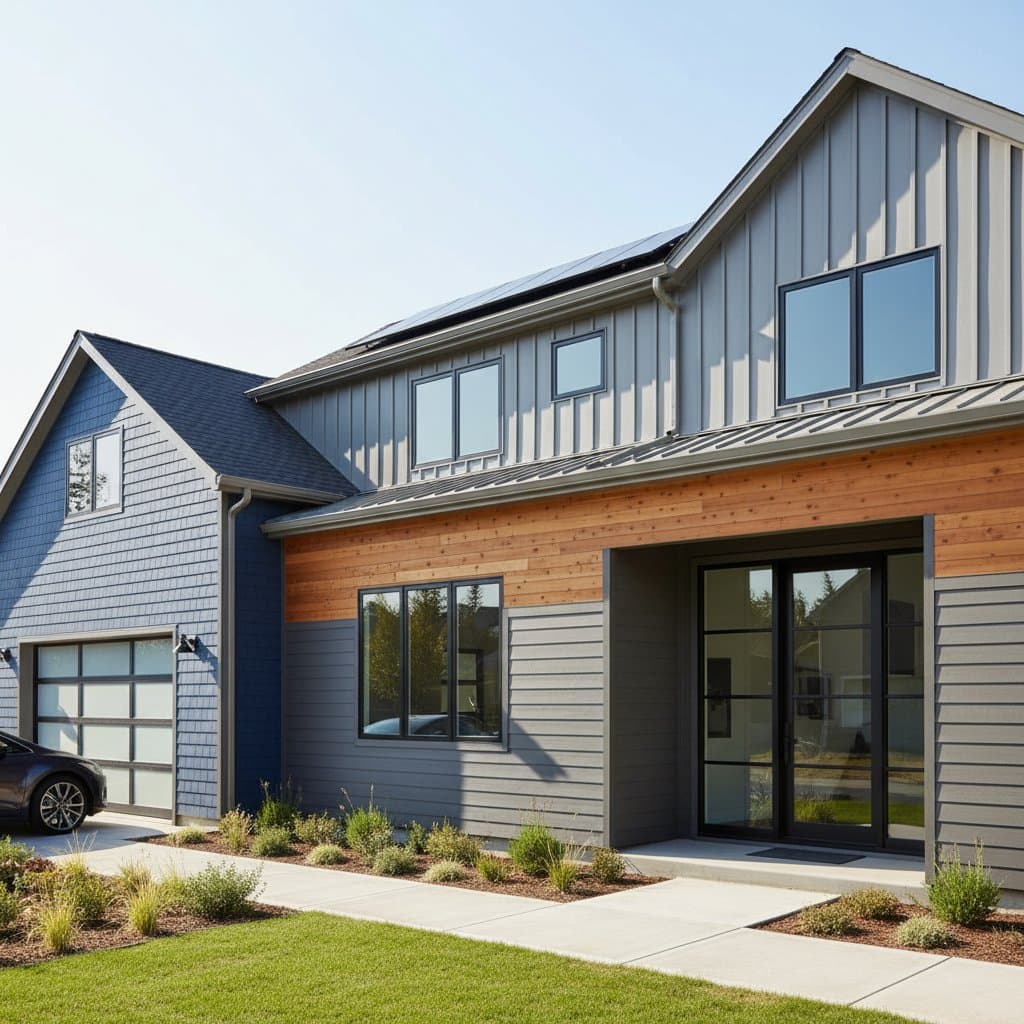
Mixed Material Siding Reduces Renovation Costs by 30 Percent
Homeowners discover significant savings through the strategic combination of siding materials, which lowers exterior renovation expenses by up to 30 percent. This approach enhances curb appeal and increases property resale value. By integrating fiber cement, engineered wood, vinyl, or metal panels in targeted areas, individuals create a customized exterior appearance at a fraction of the cost associated with uniform high-end materials. Proper planning minimizes material waste, simplifies labor requirements, and delivers enduring durability for projects planned in 2026.
Analyzing Costs, Returns, and Key Influences
Strategic material mixing allows for the application of premium products solely in high-visibility zones, thereby optimizing overall project budgets. For instance, installing fiber cement on the primary street-facing facade while using vinyl or engineered wood on less prominent side elevations achieves comparable aesthetic results to a complete premium upgrade, yet at substantially lower expense.
Project Cost Estimates
- Small-scale renovations: Between 8,000 and 15,000 dollars for single-story homes under 1,500 square feet.
- Medium-scale renovations: From 15,000 to 28,000 dollars for properties around 2,000 square feet.
- Large-scale renovations: 28,000 to 45,000 dollars or higher for multi-story designs incorporating intricate trim elements.
Primary Cost Components
- Demolition and disposal: Removing existing siding, repairing underlying sheathing, and transporting debris contribute 1 to 2 dollars per square foot.
- Installation complexity: Elements such as corners, gables, and window surrounds demand additional labor hours.
- Material proportions: Greater use of high-end products elevates the total expenditure.
- Site accessibility: Confined lots or uneven terrain extend preparation and setup durations.
- Surface treatments: Options for painting, staining, or pre-applied factory finishes influence ongoing upkeep expenses.
Effects on Property Value
Well-executed mixed material installations, featuring harmonious design and robust finishes, typically elevate perceived home value by 10 to 15 percent over standard single-material vinyl applications. Professional appraisers recognize the contributions of enhanced curb appeal and diminished maintenance demands, factors that strongly influence buyer interest and resale outcomes.
Practical Recommendation
Reserve premium siding for walls that face the street or endure heavy weather exposure. Pair these selections with economical alternatives in secondary areas to achieve an optimal balance between investment and aesthetic return.
Enhancing Curb Appeal Through Thoughtful Design
Effective design in mixed material siding emphasizes equilibrium, scale, and seamless visual progression. Expansive homes gain from textural variations that mitigate overwhelming bulk, whereas compact structures require restrained contrasts to maintain simplicity and elegance.
Fundamental Principles for Visual Impact
- Structural emphasis: Apply robust textures, such as board-and-batten profiles, to foundational levels for a stable, anchored aesthetic.
- Tonal harmony: Restrict color variations to a single dark and light shade within the same color family to ensure cohesion.
- Scaled alignment: Position horizontal material shifts in line with window ledges or roof edges to foster orderly sightlines.
- Focal point reinforcement: Incorporate superior materials surrounding the main entryway or supporting porch columns.
- Accessory integration: Select lighting fixtures proportionate to the entrance dimensions and position house numbers for clear visibility from the roadway.
Properties exhibiting uniform trim dimensions and fluid color gradations tend to capture superior images in real estate listings, accelerating buyer engagement.
Practical Recommendation
Develop preliminary sketches of exterior elevations prior to material procurement. Confirm that every transition in siding corresponds to an inherent architectural detail rather than an arbitrary joint.
Ensuring Durability Through Routine Maintenance
Mixed siding assemblies endure for decades when subjected to regular cleaning and vigilant inspections. Although individual materials demand unique care protocols, the majority respond well to mild washing techniques and prompt remediation of impairments.
Essential Cleaning Procedures
- Employ a soft-bristled brush, diluted mild detergent, and low-pressure water flow.
- Steer clear of high-pressure washers in proximity to joints or edging.
- Perform a complete rinse to eliminate any lingering residues.
Scheduled Inspection Timeline
- Yearly assessments: Examine sealant lines, metal flashings, and surface coatings for deterioration.
- Triennial to quinquennial reviews: Apply fresh coats of paint or sealant to wood-derived components.
- Post-storm evaluations: Survey base-level walls for signs of physical damage or moisture penetration.
Comprehensive Maintenance Protocol
- Wash all surfaces at the onset of spring.
- Apply touch-up paint or sealant to areas showing cracks or wear.
- Maintain unobstructed gutters and downspouts to avert water backup.
- Trim surrounding vegetation to maintain a six-inch clearance from exterior walls.
- Record all maintenance activities to facilitate warranty claims.
Warranty Considerations
Standard siding warranties typically cover installations of uniform materials when executed according to specifications. However, numerous producers extend protection to mixed systems provided that junction details adhere to their documented standards. Retain product documentation and photographic evidence of the installation process.
Practical Recommendation
Establish a dedicated maintenance journal noting dates and performed tasks. Such records safeguard investment value and provide essential support during property resale evaluations.
Realizing Lasting Benefits from Mixed Material Siding
Homeowners who adopt mixed material siding experience not only immediate cost efficiencies but also sustained advantages in aesthetics and functionality. This method transforms routine renovations into strategic enhancements that align with evolving design preferences and environmental considerations. By prioritizing thoughtful integration and diligent care, properties gain resilience against wear while commanding premium market positions. Ultimately, this approach empowers informed decisions that yield enduring satisfaction and financial returns.