
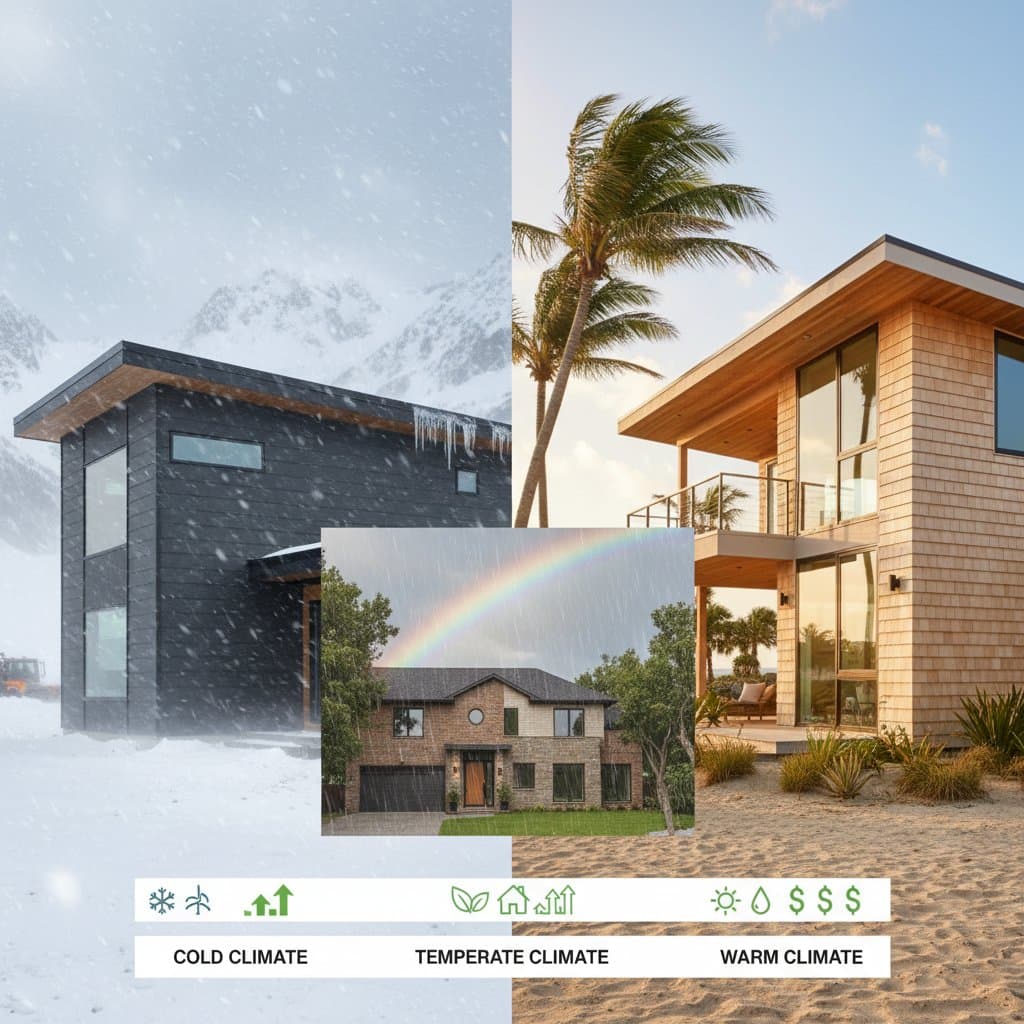
Best Siding Materials for Every Climate Zone
Selecting the appropriate siding material transforms a home's exterior into a durable, attractive feature that withstands local weather patterns. Homeowners face diverse challenges, from freezing temperatures to relentless humidity, and the right choice enhances energy efficiency, reduces maintenance demands, and increases property value. This guide examines top siding options tailored to specific climate zones, including performance details, cost estimates, and care requirements to help readers make informed decisions.
Understanding Climate Impacts on Siding
Siding serves as the first line of defense against environmental stresses. In cold regions, materials must resist cracking from freeze-thaw cycles. Humid areas demand options that prevent mold growth and warping. Arid zones require resistance to intense sun exposure, while coastal environments call for corrosion protection from salt air. Factors such as installation techniques and regional building codes also influence material suitability. By aligning siding with local conditions, owners avoid premature replacements and enjoy long-term savings.
Siding Options for Cold Climates
Regions with harsh winters, such as the northern United States or mountainous areas, experience heavy snow, ice, and temperature fluctuations. These conditions test siding durability through expansion and contraction.
Recommended Materials
Fiber cement siding stands out for its strength and low thermal conductivity, which helps maintain indoor warmth. This material, composed of cement, sand, and cellulose fibers, mimics wood's appearance without vulnerability to rot or insects. Expect costs between $8 and $14 per square foot installed, with a lifespan of 50 years or more.
Vinyl siding offers an affordable alternative at $4 to $8 per square foot. It insulates well and comes in insulated versions for added energy savings. However, lower-quality vinyl may crack in extreme cold, so select UV-stabilized, impact-resistant grades.
Engineered wood siding provides a natural look with better weather resistance than traditional wood. Priced at $6 to $12 per square foot, it requires sealing but holds up against moisture if properly maintained.
Key Considerations
Prioritize materials with high R-values for insulation. Professional installation ensures proper flashing to prevent water infiltration behind panels. In these climates, avoid untreated wood, which absorbs moisture and deteriorates quickly.
Siding for Hot and Humid Climates
Southern states and tropical zones feature high temperatures, frequent rain, and humidity levels above 70 percent. Siding here must resist fading, mildew, and dimensional changes from moisture.
Recommended Materials
Aluminum siding excels in humid environments due to its lightweight nature and resistance to rust when coated. Installation costs range from $5 to $10 per square foot, and it reflects heat to keep homes cooler. Denting from hail remains a minor drawback.
Fiber cement again proves versatile, with excellent moisture resistance and fire ratings beneficial in lightning-prone areas. Its textured finishes hide dirt accumulation common in humid regions.
HardiePlank, a popular fiber cement brand, lasts 30 to 50 years with minimal warping. For a premium option, cedar shakes treated with preservatives cost $10 to $18 per square foot but demand regular inspections for fungal growth.
Key Considerations
Opt for venting systems in siding to allow airflow and reduce trapped moisture. Lighter colors reflect sunlight, lowering cooling costs. Steer clear of solid wood without pressure treatment, as it invites termites and decay.
Options for Arid and Desert Climates
Southwestern deserts bring scorching days, cool nights, and low rainfall, but intense UV radiation accelerates material breakdown. Dust and sand abrasion add wear over time.
Recommended Materials
Metal siding, particularly steel or aluminum with powder-coated finishes, withstands UV damage and extreme heat. Costs fall between $6 and $12 per square foot, offering a modern aesthetic and quick installation. It conducts heat, so pair it with insulation.
Stucco siding suits adobe-style homes, providing thermal mass that stabilizes indoor temperatures. Applied at $6 to $9 per square foot, it requires a solid base and periodic repainting every 10 years to combat fading.
Vinyl with UV inhibitors performs reliably, avoiding the expansion issues of metal. Its low maintenance appeals to busy homeowners in dry areas.
Key Considerations
Choose fade-resistant pigments and matte finishes to minimize glare. Ensure proper sealing at joints to block dust entry. Traditional brick offers timeless durability but at a higher upfront cost of $10 to $20 per square foot.
Coastal Climate Siding Choices
Oceanfront properties endure salt spray, high winds, and humidity, leading to corrosion and erosion challenges.
Recommended Materials
Fiber cement leads with its non-combustible properties and resistance to salt corrosion. It maintains integrity in windy conditions, costing $8 to $14 per square foot.
PVC or composite siding resists moisture and insects without warping. Priced at $7 to $13 per square foot, it mimics wood grain effectively for beachy vibes.
Cedar or redwood siding, naturally rot-resistant, works if sealed annually. These premium woods range from $9 to $15 per square foot but excel in aesthetic appeal.
Key Considerations
Select marine-grade fasteners to prevent rust. Elevated installation heights protect against storm surges. Avoid untreated metals, which pit quickly from saltwater exposure.
Design Considerations for Enhanced Appeal
Beyond climate suitability, thoughtful design elevates siding's visual impact and marketability. Strategic elements ensure the exterior photographs well and attracts buyers.
- Massing: Break large walls with trim bands or material transitions at floor lines to create visual interest and scale.
- Contrast: Use lighter trim against darker siding to define edges clearly and add depth.
- Color depth: Mid-tone shades hold value longer since they show less fading and dirt over time.
- Entry emphasis: Wider trim, clean lighting, and visible house numbers improve photo appeal and guide visitors.
Actionable takeaway: Choose colors and layouts that photograph well from the street. Balanced contrast and clean geometry produce the most professional appearance.
Maintenance and Longevity
Long-term siding value depends on routine care. Neglect shortens lifespan and reduces curb appeal.
Maintenance checklist:
- Quarterly: Visual inspection after storms for cracks or loose panels
- Annually: Gentle wash with mild detergent and soft brush
- Every 2 to 3 years: Recaulk joints, check flashing, repaint or reseal as required
Safe tools: Use soft-bristle brushes and low-pressure washers only. Avoid harsh chemicals that strip finishes.
Warranty care: Many manufacturers require documented cleaning and inspection records. Keep copies of invoices and photos to preserve coverage.
Actionable takeaway: A clean, well-maintained exterior signals low ownership costs to buyers, supporting a higher resale price.
Maximizing Your Siding Investment
Once installed, siding becomes both a design feature and a weather barrier. Climate-appropriate materials maintain color, texture, and stability for decades when cared for correctly. Regular inspection, gentle cleaning, and prompt repair preserve appearance and structural protection. Homeowners who match material performance to local conditions typically spend less over time and recover more of their investment at resale.