
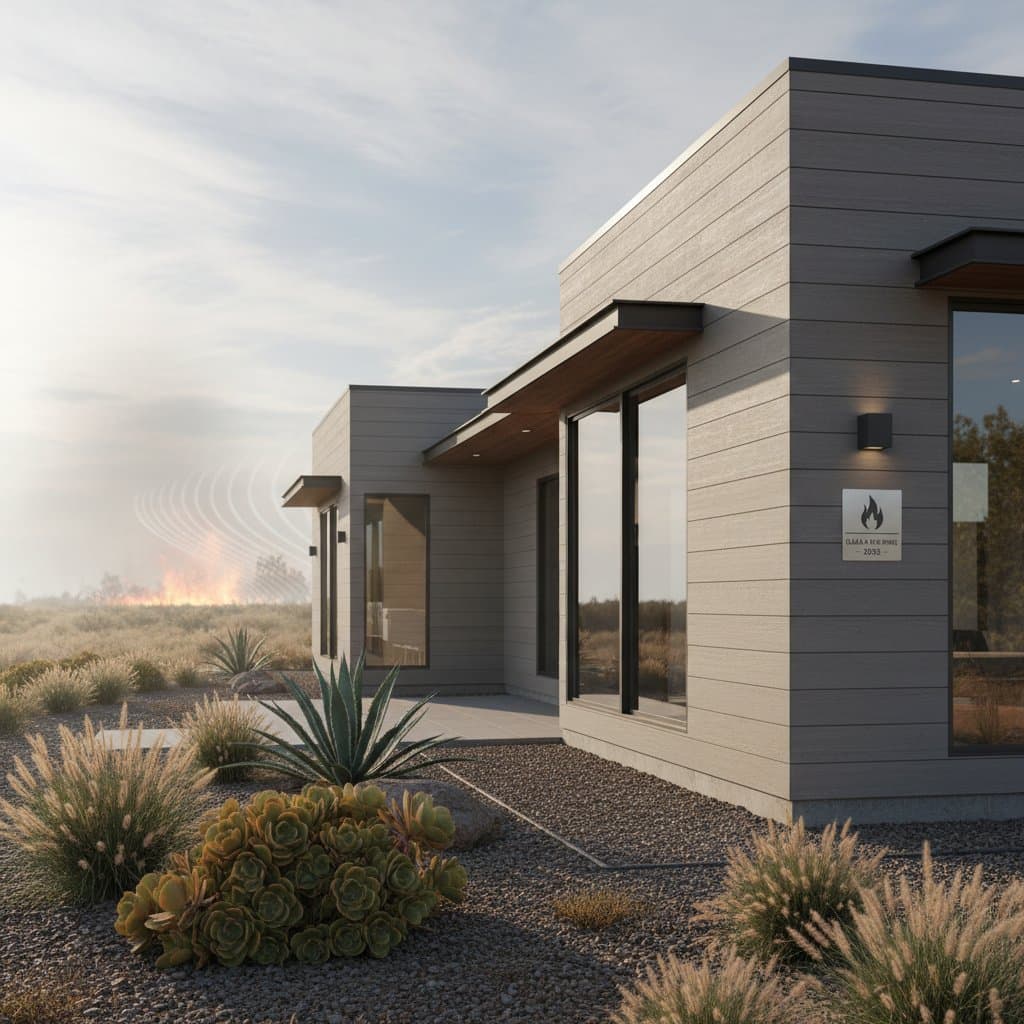
Fire-Resistant Siding for Enhanced Wildfire Protection
Wildfires advance rapidly via airborne embers, intense radiant heat, and direct flame exposure. The exterior siding of a residence serves as a critical barrier, determining whether a fire remains contained or escalates to structural damage. While no siding renders a home entirely fireproof, fire-resistant varieties substantially lower ignition probabilities, delay heat penetration, and elevate both insurability and property appeal in fire-prone regions.
Selecting appropriate siding involves evaluating local fire codes, climate conditions, and architectural style. Materials undergo rigorous testing under standards from organizations like ASTM International to quantify their performance during flame exposure. Homeowners in wildfire-vulnerable areas, such as the Western United States, increasingly adopt these solutions to safeguard assets and comply with evolving building regulations.
Project Overview at a Glance
- Project Scope: Complete exterior replacement or targeted upgrades in high-risk areas like eaves and gables
- Timeline: Seven to fourteen business days, influenced by residence dimensions, terrain accessibility, and weather conditions
- Complexity Level: Moderate to advanced; professional contractors ensure code adherence and structural integrity
- Cost Estimate: Nine to eighteen dollars per square foot for materials and labor, varying by region and material selection
Selecting Materials and Profiles
Effective siding balances fire resistance with visual harmony and practical upkeep. Fire ratings indicate the duration a material withstands ignition without contributing to fire spread. Profiles, such as lap siding or vertical panels, influence both aesthetics and airflow, which aids in heat dissipation.
| Material Type | Fire Rating | Durability | Maintenance Requirements | Advantages | Disadvantages |
|---|---|---|---|---|---|
| Fiber Cement Board | Non-combustible | 30+ years | Repainting every 10-15 years | Superior resistance to fire and moisture; retains color stability | Requires heavy lifting during installation; generates silica dust when cut, necessitating protective measures |
| Metal (Steel or Aluminum) | Non-combustible | 40+ years | Minimal cleaning | Eliminates ignition potential; requires little ongoing care | Susceptible to dents from impacts; potential for heat reflection causing glare |
| Stucco over Masonry | Non-combustible | 50+ years | Periodic crack repairs | Forms a seamless protective layer; integrates well with stone bases | Demands skilled labor; risks moisture accumulation without proper ventilation |
| Engineered Wood with Fire Retardant | Class A rated | 20-30 years | Periodic recoating of treatments | Provides a natural wood appearance; easier to handle than solid timber | Fire-retardant coatings may wear down, requiring reapplication |
For cohesive design, align textures within similar color palettes and restrict varied profiles to a single feature wall. Excessive pattern diversity can overwhelm the facade, diminishing overall attractiveness. Consult color swatches under natural light to preview long-term fading resistance.
Key Insight: Fiber cement boards and metal panels deliver the optimal combination of fire performance, affordability, and enduring reliability for most residential applications.
Ensuring Installation Excellence and Hazard Mitigation
Superior materials lose effectiveness without precise installation that fortifies the entire building envelope. Siding systems must facilitate water runoff while sealing against ember penetration, a primary vector in wildfire scenarios.
Essential Installation Practices
- Apply a uniform layer of fire-rated sheathing beneath the siding to create an additional thermal barrier.
- Secure joints using caulk formulated for high-temperature exteriors, ensuring flexibility against expansion and contraction.
- Position metal flashing at all junctions between roofs and walls to direct water away and block ember entry.
- Cover ventilation openings with corrosion-resistant metal mesh featuring openings no larger than 1/8 inch.
- Conduct daily site debris removal to eliminate potential fuel sources during construction.
Vulnerable spots, including unsealed utility entries, spaces adjacent to decks, and unprotected foam insulations, frequently serve as initial breach points during ember storms. Integrating ember-resistant vents and non-combustible soffits addresses these weaknesses proactively. In regions with strict fire codes, such as California, certified installers verify compliance through third-party inspections.
Key Insight: Engage contractors experienced in fire-zone regulations to minimize rework, uphold warranties, and achieve seamless integration with existing structures.
Choosing Contractors and Managing Bids
A detailed project specification fosters transparent bidding and averts unexpected expenses. Prospective contractors should detail their approach in writing, covering every phase from preparation to final walkthrough.
Comprehensive Bid Requirements
- Specification of siding material, including thickness and verified fire rating independent of brand
- Description of underlayment and weather-resistive barriers for moisture control
- Inclusion of trim elements, flashing materials, and ventilation hardware
- Protocols for old siding removal, eco-friendly disposal, and thorough site restoration
- Assignment of responsibilities for obtaining permits and scheduling inspections
Evaluate proposals by normalizing costs to a per-square-foot metric, then scrutinize warranty provisions for labor and materials. Structure payments progressively: ten percent upon agreement, forty percent following material arrival, forty percent after midpoint quality checks, and the final ten percent upon satisfactory completion and inspection approval. Verify contractor credentials through state licensing boards and references from similar wildfire-protection projects.
Request a timeline that accounts for seasonal constraints, such as dry summer periods ideal for installation but risky for spark ignition. This preparation ensures the project aligns with insurance renewal cycles for immediate premium adjustments.
Sustaining Long-Term Performance
Homeowners benefit from fire-resistant siding through tangible reductions in wildfire vulnerability and insurance obligations. The upgrade enhances exterior durability, often recouping costs via decreased maintenance and elevated resale potential in competitive markets.
Annual inspections reveal early signs of wear, such as joint separations or coating fades. Maintain clear drainage paths around the foundation to prevent water pooling, which could compromise seals. Coordinate with landscape professionals to establish defensible space, trimming vegetation within thirty feet of the structure to limit fuel continuity.
Over time, these investments foster peace of mind, transforming a home into a resilient haven amid intensifying wildfire patterns. Regular upkeep preserves the siding's protective qualities, ensuring decades of reliable service.