
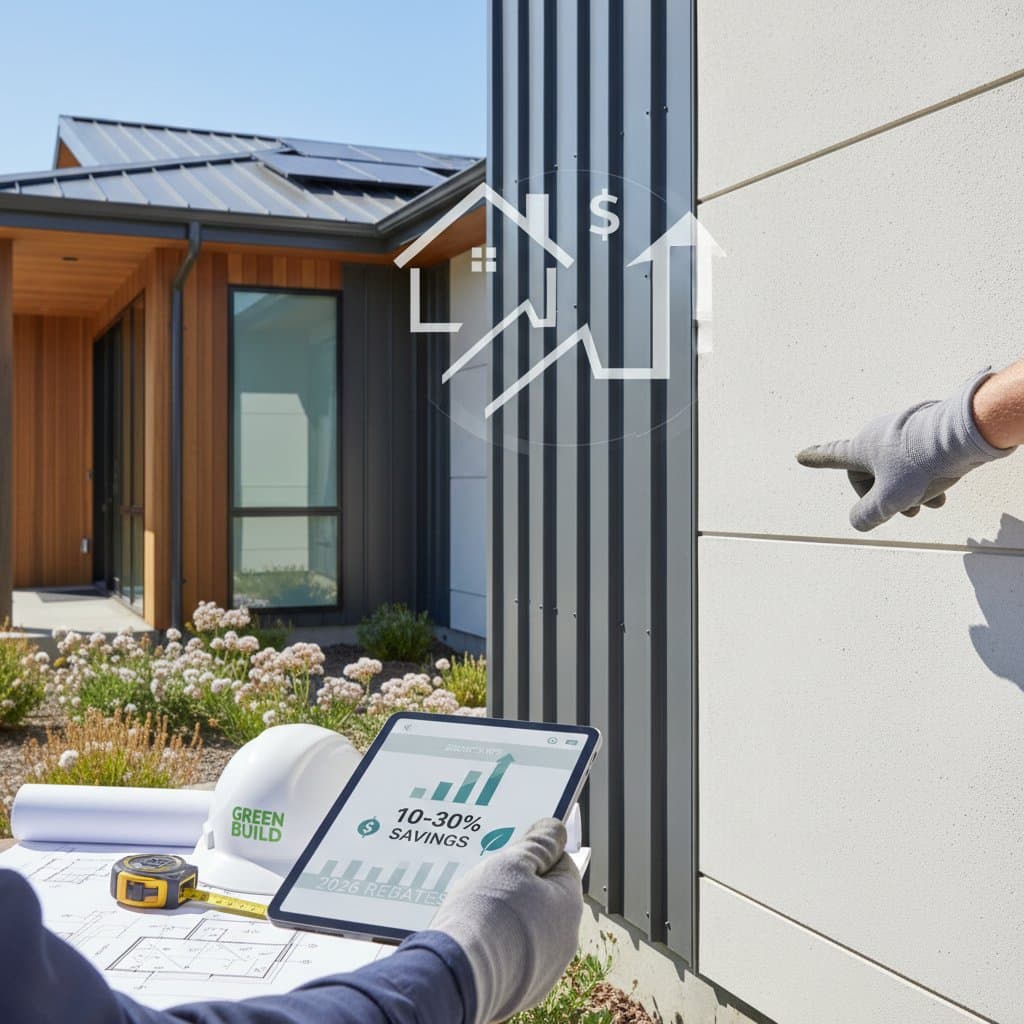
Unlock Savings and Efficiency with 2026 Siding Rebates
Energy-efficient siding serves as a robust thermal barrier that reduces utility expenses, safeguards structural walls, and enhances property appeal. As rebate programs expand in 2026, homeowners gain opportunities to offset significant portions of installation costs through deliberate planning and adherence to performance standards. Selecting appropriate products, verifying insulation levels, and timing projects correctly enable capture of credits that lower overall expenses and deliver long-term benefits.
Selecting Siding Styles and Materials
Key Siding Profiles
- Lap siding suits traditional homes by providing seamless coverage and a clean horizontal line.
- Board-and-batten introduces vertical elements ideal for farmhouse or contemporary designs.
- Shingle panels offer subtle texture for accents on gables or dormers, minimizing upkeep compared to solid wood.
Material Comparisons
| Material | Advantages | Disadvantages |
|---|---|---|
| Vinyl | Affordable pricing, minimal upkeep, insulated options eligible for rebates | Vulnerable to impacts and thermal warping |
| Fiber Cement | Resistant to fire, extended paint durability, performs well in extreme temperatures | Requires more labor due to weight |
| Engineered Wood | Authentic appearance, pre-finished surfaces, reasonable insulation properties | Demands precise sealing at all cut edges |
| Metal | Fully recyclable, exceptional longevity, impervious to pests | Transfers heat readily, qualifies for rebates only with added insulation |
Design and Integration Guidelines
Pair a primary profile with a single accent material to maintain visual harmony. Incorporate smooth trim boards around windows to sharpen edges and optimize water resistance through superior flashing. Ensure consistent insulation depth across all materials to form an unbroken thermal envelope that maximizes energy performance.
Tailored Recommendations by Environment
- In cold regions: Opt for insulated vinyl or fiber cement paired with foam sheathing to combat heat loss.
- In hot or coastal areas: Select light-reflective fiber cement or insulated metal to deflect solar gain and withstand corrosion from salt exposure.
- For historic properties: Choose engineered wood that replicates classic textures while complying with current energy regulations.
Preparing Your Siding Project for Rebate Success
- Establish objectives: Identify whether the focus lies on reducing energy use, enhancing aesthetics, or simplifying maintenance.
- Solicit multiple quotes: Obtain bids from at least three certified contractors experienced in rebate applications and required documentation.
- Evaluate physical samples: Position material swatches next to current trim under natural light to assess color compatibility.
- Verify performance credentials: Confirm the selected products display specified R-values and hold certifications from independent testing bodies.
- Ready the work area: Remove nearby vegetation and obstacles, and clearly mark locations of electrical outlets and plumbing lines.
- Oversee installation progress: Inspect alignment of siding courses and integrity of joint seals each day, capturing photographs as evidence for rebate claims.
- Conduct thorough walkthrough: Validate proper flashing installation at windows and doors, full insulation application, and retention of all product labels for rebate filing.
Maximizing Long-Term Benefits from Your Upgrade
After rebate approvals arrive, the enduring advantages emerge clearly. Reduced demands on heating and cooling systems translate to lower monthly utilities and prolonged equipment lifespan. Enhanced wall insulation maintains steady indoor temperatures and dampens external noise, fostering greater daily comfort.
Properties often experience appraisal increases following verified energy improvements. Maintain an organized file containing product specifications, warranty documents, and rebate approvals, as prospective buyers or insurance providers frequently review such records. Schedule routine cleaning and inspect caulking annually to sustain both aesthetic appeal and functional efficiency.