
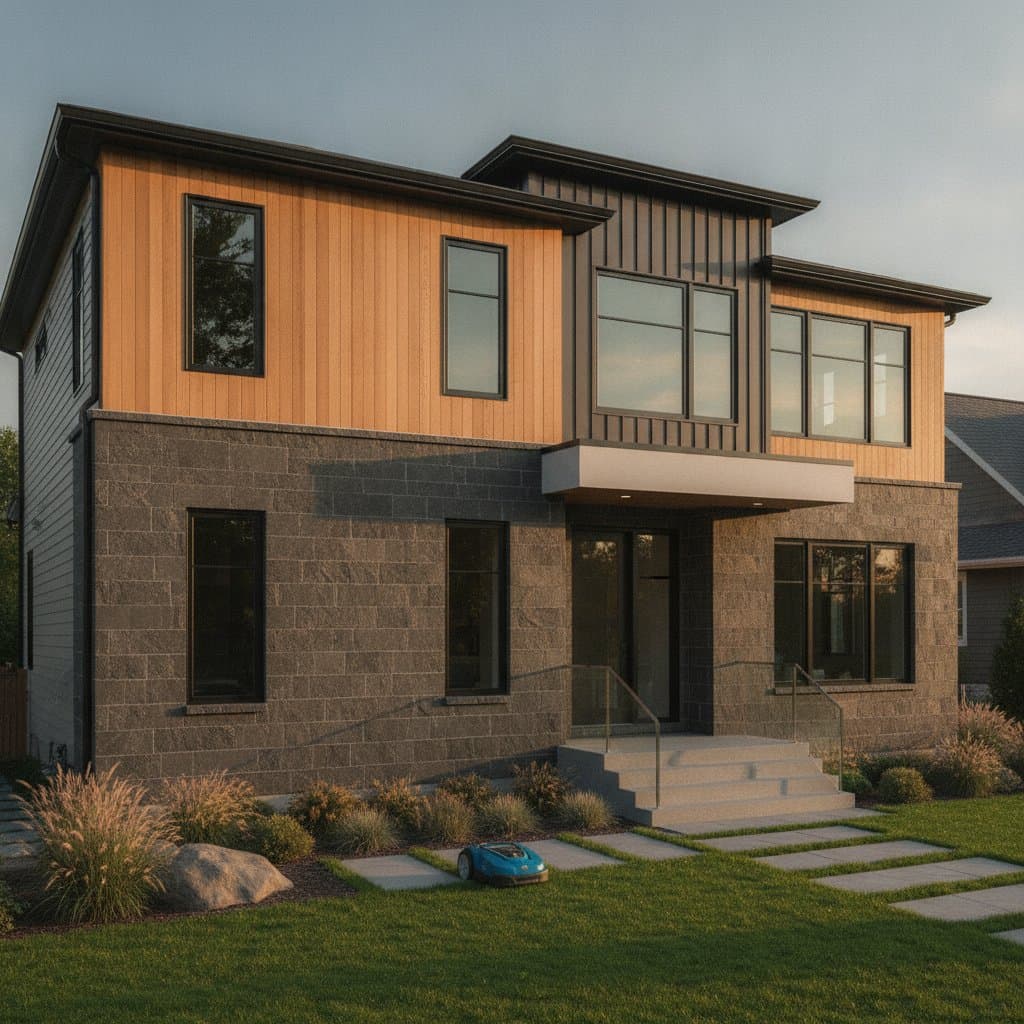
Mixed Material Siding in 2026: Balancing Costs and Home Value
Homeowners often ask whether mixing siding materials adds real value or simply creates visual interest. The answer depends on planning, installation quality, and maintenance routines. Mixed material siding raises curb appeal and market value when executed with proportion and consistency. Poorly planned combinations produce visual clutter and ongoing maintenance challenges.
This guide covers cost ranges, design principles, durability factors, and resale effects. It helps determine whether a mixed exterior suits a specific home and budget.
Understanding Costs and Return on Investment
Mixed material siding projects cost more than single-material work because they demand extra layout planning, trim transitions, and labor coordination. A full replacement on an average single-story home typically ranges from 18,000 to 42,000 dollars. Multi-story homes with complex trim or custom profiles can exceed 55,000 dollars.
Primary cost drivers include removal and disposal at 1 to 3 dollars per square foot, material quality such as fiber cement or metal panels, story count and access needs, trim and transition scope, and pattern complexity. Scale examples show small accent projects at 5,000 to 9,000 dollars, full front facade combinations at 12,000 to 25,000 dollars, and entire house wraps at 30,000 to 55,000 dollars.
Industry data indicates mixed material designs return 65 to 80 percent of cost at resale when the condition remains strong and the style matches neighborhood norms. Buyers respond positively to texture contrast and updated color palettes when the overall design stays cohesive. Plan material transitions carefully. Highest resale impact occurs with balanced mixes that highlight architectural lines.
Achieving Strong Curb Appeal Through Design
A balanced exterior mix makes a home appear more substantial and architecturally interesting. Proportion matters more than quantity of materials. Use heavier surfaces such as stone or brick on lower sections and lighter textures like lap siding on upper levels. This approach anchors the home visually.
Contrast should remain clear yet not extreme. Combine muted tones with one accent color near the entry. Deep colors suit modern lines while neutral shades fit traditional homes. A consistent trim color and upgraded lighting near doors reinforce focal points. Updating house numbers and door hardware completes the refreshed appearance.
Photograph a design mockup before final approval. If the eye moves smoothly across the facade, balance has been achieved. If attention jumps between surfaces, simplify the layout.
Ongoing Maintenance Requirements
Mixed siding benefits from an organized care plan because each material weathers at different rates. Synchronized inspections reduce future expenses. Clean surfaces twice per year with mild detergent and a soft brush. Avoid pressure washers on engineered wood and fiber cement. Rinse metal panels to remove salt or dust buildup.
Conduct an annual check for cracks, peeling paint, or caulk gaps. Refresh sealant at transitions every three years. Repaint fiber cement every 10 to 15 years depending on exposure. Recaulk joints before winter and replace damaged boards promptly. Keep shrubs trimmed away from siding surfaces.
Manufacturer warranties range from 15 to 50 years yet require documented installation and maintenance. Retain receipts, material tags, and contractor records. A clean and sealed exterior signals care to buyers while extending service life.
Making the Most of Your Exterior Choice
A well-executed mixed siding exterior updates appearance and adds measurable resale confidence. Texture combinations create depth that performs well in listing photos and in person. Success depends on restraint during planning and consistent maintenance afterward. When each surface serves a clear visual or protective purpose, the investment delivers daily satisfaction along with long-term return.