
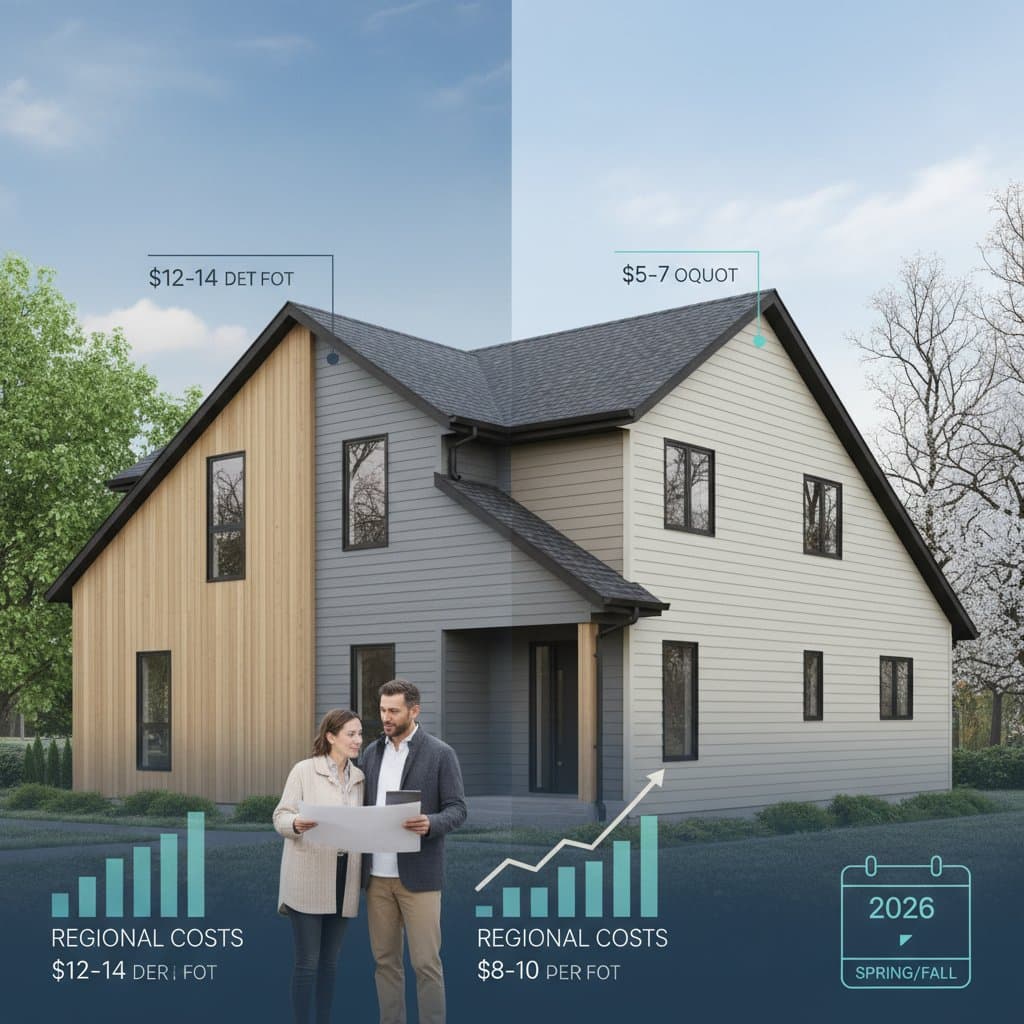
2026 Regional Costs and Ideal Times for Siding Replacement
Homeowners planning exterior improvements often ask two questions right away. How much will new siding cost. When is the best time to schedule the work. Both answers depend on region, material, crew access, and weather patterns. This guide breaks down real-world cost ranges, explains timing windows, and offers practical steps for planning a smooth siding project from start to finish.
Cost and Planning Guide
Scope of Work
Siding replacement usually covers removal of existing cladding, repair of sheathing, installation of house wrap or weather barrier, and new siding panels with trim and sealant. Some projects include soffit, fascia, or gutter integration. When estimating, clarify whether the contractor scope includes disposal, scaffolding, and painting if required.
Total Range and Per Square Foot Figures
Costs vary by region and material. National averages cluster around 5 to 14 dollars per square foot. Local labor, haul-away fees, and permit costs can shift totals up or down. For a typical single-story home of about 2,000 square feet of wall area, that means a total project range between 10,000 and 28,000 dollars.
- Vinyl siding: 5 to 9 dollars per square foot
- Fiber cement: 8 to 13 dollars per square foot
- Engineered wood: 7 to 12 dollars per square foot
- Metal (steel or aluminum): 9 to 14 dollars per square foot
- Natural wood: 10 to 15 dollars per square foot
These figures assume standard trim, minimal wood repair, and clean access. Steep lots, two-story elevations, or complex profiles can add 10 to 20 percent.
Cost Drivers
Material type and finish raise price when panels use thicker gauge, factory paint, or insulated backers. Removal and disposal require extra handling for old asbestos or heavy wood siding. Access and height add labor for multi-level scaffolding or limited driveway space. Local labor rates run higher in coastal regions and dense cities. Trim complexity adds hours for wide window casings, corner boards, and decorative details. Moisture repairs trigger sheathing replacement when hidden rot appears behind old siding.
Timeline from Bid to Punch List
A well-run replacement follows a clear sequence. Planning and bids take 1 to 3 weeks for site visits and written proposals. Contract and scheduling require 1 week to confirm materials and start date. Tear-off and prep last 2 to 4 days depending on removal difficulty. Installation spans 4 to 10 days for siding, trim, and sealant. Final inspection and cleanup need 1 day for punch items and homeowner walk-through. Weather can stretch these timelines, especially in regions with long rainy seasons.
Permits, Inspections, and Access
Most municipalities require an exterior permit when structural sheathing is replaced. Inspectors may check nail spacing, flashing, and weather barrier overlap. Always confirm access routes for trucks and dumpsters before work starts. Temporarily remove wall fixtures, plan for pet safety, and alert neighbors if scaffolding crosses property lines.
Budget Controls and Change Order Traps
Set a small contingency, usually 10 percent of the contract, for hidden rot or trim changes. Avoid verbal changes. Ask the contractor to price any modification in writing before work continues. Clarify who buys paint or caulk if touch-up is needed after installation.
Repair vs Replace Guidance
If less than 20 percent of the siding is damaged and color match is available, repair may make sense. Full replacement becomes cost-effective once repeated paint failures, moisture intrusion, or outdated materials without warranty support appear.
Durability and Safety Brief
Weather Risks for the Area
Regional climate drives siding performance. In humid coastal areas, moisture control and corrosion resistance matter most. In dry regions with temperature swings, expansion joints and UV stability become priorities. Mountain areas need impact resistance for wind and debris. Always match fasteners and flashings to local exposure conditions.
Fire, Moisture, and Impact Performance
Vinyl melts under high heat but resists most moisture. Fiber cement stays non-combustible and stable under temperature changes. Engineered wood receives treatment for decay resistance, yet edges must stay sealed. Metal earns an excellent fire rating but may dent on impact. Wood needs flame-retardant coating in wildfire zones.
Envelope Details That Prevent Failures
A siding system works only if the wall beneath it stays dry. Use a continuous weather barrier behind panels. Overlap seams by at least six inches. Install metal flashing above trim. Vent soffits and attic spaces to prevent condensation. Leave small gaps at joints for expansion and drainage.
Care Schedule and Safe Cleaning Methods
Rinse walls with a garden hose every spring to remove dirt and pollen. Check caulk joints and touch up paint on cut edges every fall. Inspect fasteners, replace cracked panels, and clean mildew with mild detergent every few years. Avoid pressure washers close to the surface. High pressure can force water behind panels and void warranties.
Warranty Basics and Owner Responsibilities
Most siding products include a limited warranty covering manufacturing defects, not labor. Coverage length varies by material and finish. Keep purchase receipts and install records. Failure to follow manufacturer cleaning or repainting intervals can void coverage.
Regional Cost Patterns and Ideal Timing
Northern Regions
Cold climates shorten the installation season. Siding is best replaced once daytime temperatures stay above freezing. Vinyl must be handled carefully to prevent cracking in cold conditions. Labor rates run higher due to shorter work windows, but scheduling early can secure better prices before demand peaks.
Southern Regions
Warm and humid zones allow nearly year-round installation. Moisture control and UV resistance are top priorities. Fiber cement and engineered wood hold up well. Avoid mid-summer installations during storm periods to reduce delays. Labor costs stay moderate, and scheduling flexibility rises outside peak roofing season.
Coastal Regions
Salt air demands corrosion-resistant fasteners and trims. Metal and fiber cement stand up best to spray and wind. Prices trend 10 to 15 percent higher due to material upgrades and safety harness requirements for multi-story homes. Plan projects between calm weather months when humidity is lower.
Mountain and High Plains Areas
Wind and debris impact drive material choice. Steel and fiber cement perform well under gusty conditions. Installers often pause for high wind days, so plan a longer schedule buffer. Costs range mid to upper due to transportation and limited contractor availability.
Urban and Suburban Markets
Dense neighborhoods require careful staging and permits for dumpsters or scaffolding. Labor costs run higher, but access to materials stays easier. Weekday noise restrictions may stretch duration. Vinyl and engineered wood remain the most common choices for budget control.
FAQ
Q: When is the cheapest time to schedule siding work?
A: Late winter or early spring often brings discounts before crews fill their calendars. The trade-off is potential weather delays.
Q: How long does siding really last?
A: Vinyl can last 20 to 40 years, fiber cement up to 50, and metal or engineered wood in the same range with proper care. Maintenance and climate have the biggest influence.
Q: What if my siding looks fine but feels soft underneath?
A: That can indicate hidden sheathing rot. Have a contractor remove a small section to inspect. Early detection saves major repair costs.
Q: Do I need to replace all trim at the same time?
A: Not always, but matching old and new finishes can be tricky. Replacing trim during siding work ensures a consistent weather seal.
Q: Will new siding improve insulation?
A: Standard panels add little insulation on their own, but insulated backers or a new house wrap can reduce drafts and improve comfort.
Pro Tips for Success
Order materials early to avoid shipment delays during peak season. Request written confirmation of weather barrier type and fastener spacing. Photograph wall conditions before tear-off for documentation. Choose neutral colors with proven UV stability for long-term value. Schedule final inspection before scaffolding removal to catch small issues.
Thoughtful planning, steady supervision, and timely maintenance protect your investment. With the right material and regional timing, a siding replacement can deliver decades of performance and a clean, weather-tight exterior that adds comfort and value to your home.