
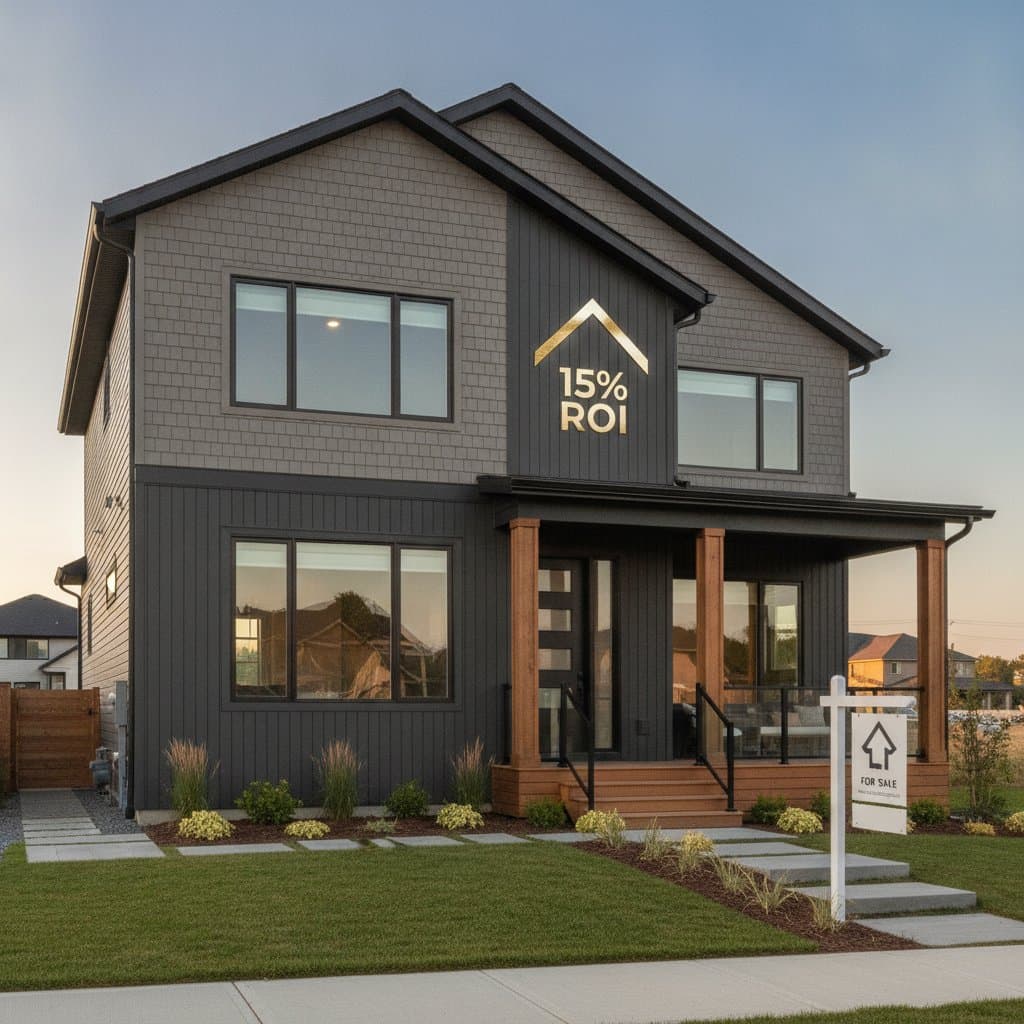
Siding ROI Jumps 15% Higher in Today's Hot Markets
Homeowners upgrading their siding are seeing stronger returns than at any time in recent memory. The average resale gain has jumped roughly fifteen percent in high-demand markets. Tighter inventory, higher buyer expectations, and better performing products drive this change. A well-planned siding replacement protects the structure and raises resale value enough to offset most project costs.
This guide explains what drives the current return on investment. It also covers how to plan and price a replacement along with what to expect before, during, and after installation.
Core Profiles and Material Options
Lap siding uses horizontal boards with overlapping joints. It fits most architectural styles. Board and batten features vertical wide panels with narrow battens covering seams. This style appears often on farm and cottage designs. Shingle or shake consists of small individual pieces cut from wood or molded in fiber cement. It adds texture to upper gables. Panel systems employ large sheets, often metal or composite, on modern or commercial-style homes.
| Material | Pros | Cons | Typical ROI Range |
|---|---|---|---|
| Vinyl | Low cost, wide color range, simple upkeep | Can warp under extreme heat, limited fire resistance | 70% to 85% |
| Fiber Cement | High impact and fire resistance, long life | Heavy, needs silica-safe cutting tools | 75% to 95% |
| Engineered Wood | Natural look, lighter weight, factory finish | Requires careful sealing at cuts | 70% to 90% |
| Metal | Noncombustible, modern appearance | Can dent, limited color repair | 65% to 85% |
| Natural Wood | Classic texture and warmth | Regular painting or staining required | 60% to 80% |
Blend no more than two main textures on one elevation. Use horizontal lap for the main field and shingle or board and batten for gables or accent walls. Keep trim color one tone lighter or darker than the body for balanced contrast. Metal or PVC trim holds paint longer than wood. Use prefinished corner boards and window casings to cut maintenance. Match soffit and fascia colors to reduce visual clutter.
Example Scenarios
A suburban two-story home benefits from fiber cement lap with vinyl soffits. This choice delivers low maintenance and strong resale appeal. A coastal cottage gains from vinyl shingle panels that resist salt and humidity better than painted wood. A modern infill home achieves a clean geometric look with smooth metal or composite panels.
Step-by-Step Project Prep
- Define goals and scope. Decide if the priority is appearance, lower maintenance, or insulation gain. Measure wall areas and note trim conditions to estimate quantities accurately.
- Shortlist contractors and compare bids. Collect at least three bids from licensed and insured crews. Ask each to specify brand, thickness, and fastener type. Compare line items, not just the total.
- Review samples, mockups, and approvals. Examine color chips outdoors under natural light. Large sample panels help confirm texture and sheen. A small test wall lets you check joint spacing and trim proportions before committing.
- Prepare the site and establish a daily routine. Clear decks, furniture, and landscaping within six feet of walls. Provide outdoor power access and discuss working hours with the crew. Expect short periods without housewrap while old materials are removed.
- Perform quality checks at each milestone. Confirm straight starter strips and consistent reveal spacing. Verify flashing placement at windows and doors. Check nail depth, which should be snug but not crushing the panel. Inspect paint or caulk continuity before final payment.
Living with High-ROI Siding
The new siding market rewards homeowners who plan carefully and choose long-lasting materials. Strong resale recovery comes from three factors. These include visual appeal at curb view, verified durability, and warranties that transfer to the next owner. A siding system that looks sharp, resists weather, and meets code delivers more than curb appeal. It signals that the house has been cared for with precision. In hot real estate markets, that confidence adds measurable value, often pushing returns fifteen percent higher than before.