
What Siding Warranties Actually Cover in 2026
- Review the full terms for transferability to new owners.
- Confirm coverage periods for fading, cracking, and impact damage.
- Verify requirements for professional installation and annual inspections.
- Identify exclusions related to weather events or improper maintenance.
- Compare prorated versus full replacement benefits across materials.
Homeowners planning exterior upgrades need precise information on warranty protections. Siding warranties vary widely by manufacturer, material, and installation quality. Understanding these details prevents unexpected costs years after the project ends.
Core Elements Found in Most Warranties
Every siding warranty addresses basic performance issues. These typically include defects in the material itself, such as warping or delamination. Coverage often extends to color retention and resistance to peeling. Lengths range from 20 years on basic vinyl products to lifetime on premium fiber cement lines.
Transferability stands out as a critical feature. Many policies allow the warranty to move with the home during a sale. This step requires notification to the manufacturer and sometimes a small fee. Without transfer, the protection ends when the original owner moves.
Material Differences in Protection Levels
Vinyl siding warranties focus on impact resistance and fade protection. Higher grades include longer fade guarantees measured in Delta E units. Fiber cement products emphasize resistance to fire, rot, and insects. Warranties here often cover structural integrity for several decades.
Wood siding requires more detailed maintenance records. Warranties may cover only factory applied finishes rather than the substrate. Metal options provide strong coverage against corrosion when coatings remain intact. Each material demands specific care steps to keep the agreement valid.
Frequent Limitations and Exclusions
Warranties rarely cover damage from hail, wind, or flooding. Homeowners must carry separate insurance for these events. Improper cleaning methods or failure to follow inspection schedules can void protection. Paint or stain applied after installation often falls outside the original agreement.
Labor costs receive limited attention in many contracts. Material replacement may be covered while installation expenses remain the responsibility of the owner. Prorated benefits reduce payout value as the siding ages. Reading the schedule of benefits clarifies exact compensation at each year mark.
Steps to Preserve Full Coverage
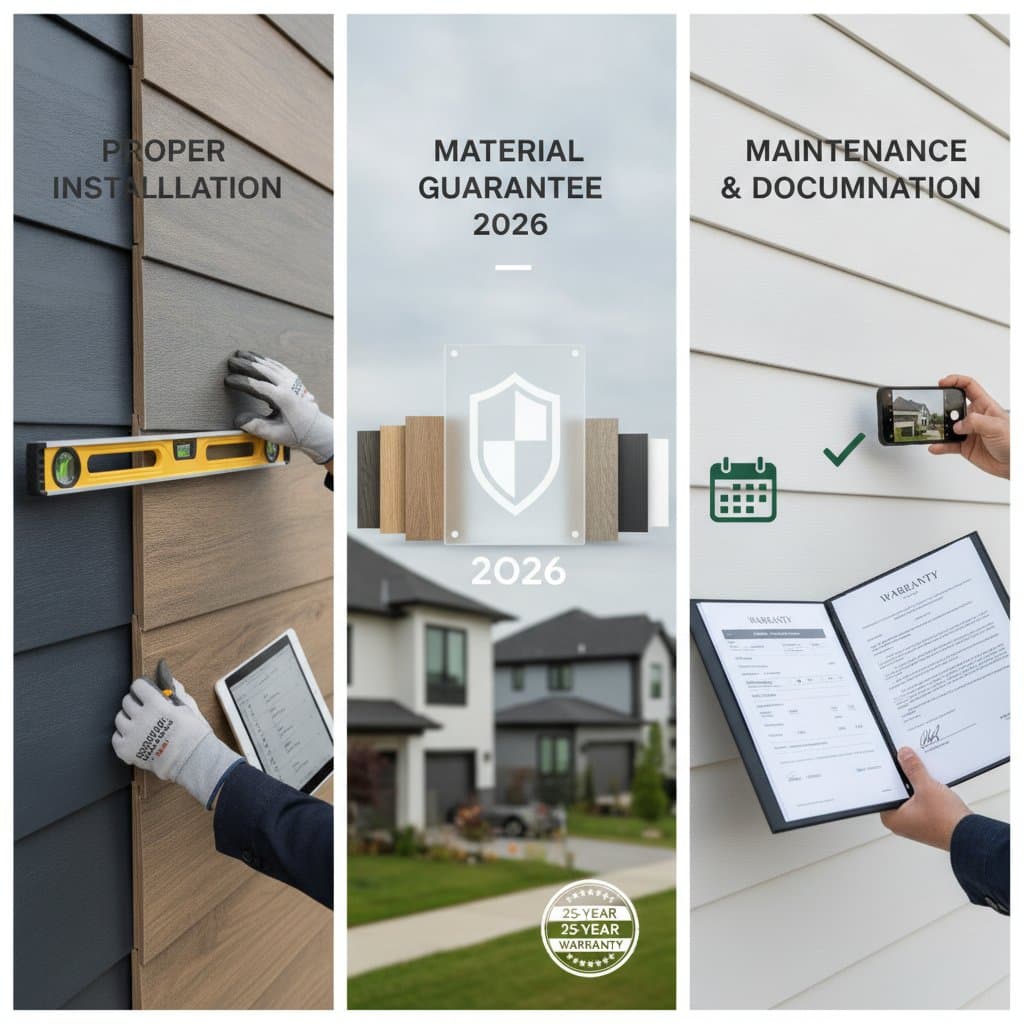
Document every maintenance task with dates and photographs. Keep receipts for cleaning supplies and professional services. Schedule annual inspections with certified contractors when required. Notify the manufacturer immediately after discovering any issue.
Store the original warranty documents and proof of purchase in a secure location. Digital copies provide backup access during claims. Follow all product specific guidelines for power washing or sealing. Deviations from these instructions create grounds for denial.
Selecting Warranties That Match Home Goals
Compare total cost of ownership rather than initial price alone. Longer warranties on premium materials often deliver better long term value. Check regional climate performance data before final selection. Products tested in similar weather conditions provide more reliable protection.
Consult local building codes for additional requirements. Some areas mandate specific wind ratings or fire resistance levels. Aligning warranty terms with these standards avoids future conflicts during resale or renovation.
Maintaining Exterior Value Over Time
Consistent care extends both appearance and warranty life. Regular inspections catch small problems before they affect coverage. Proper documentation supports successful claims and supports higher resale prices. These practices protect the siding investment for the full intended lifespan.