
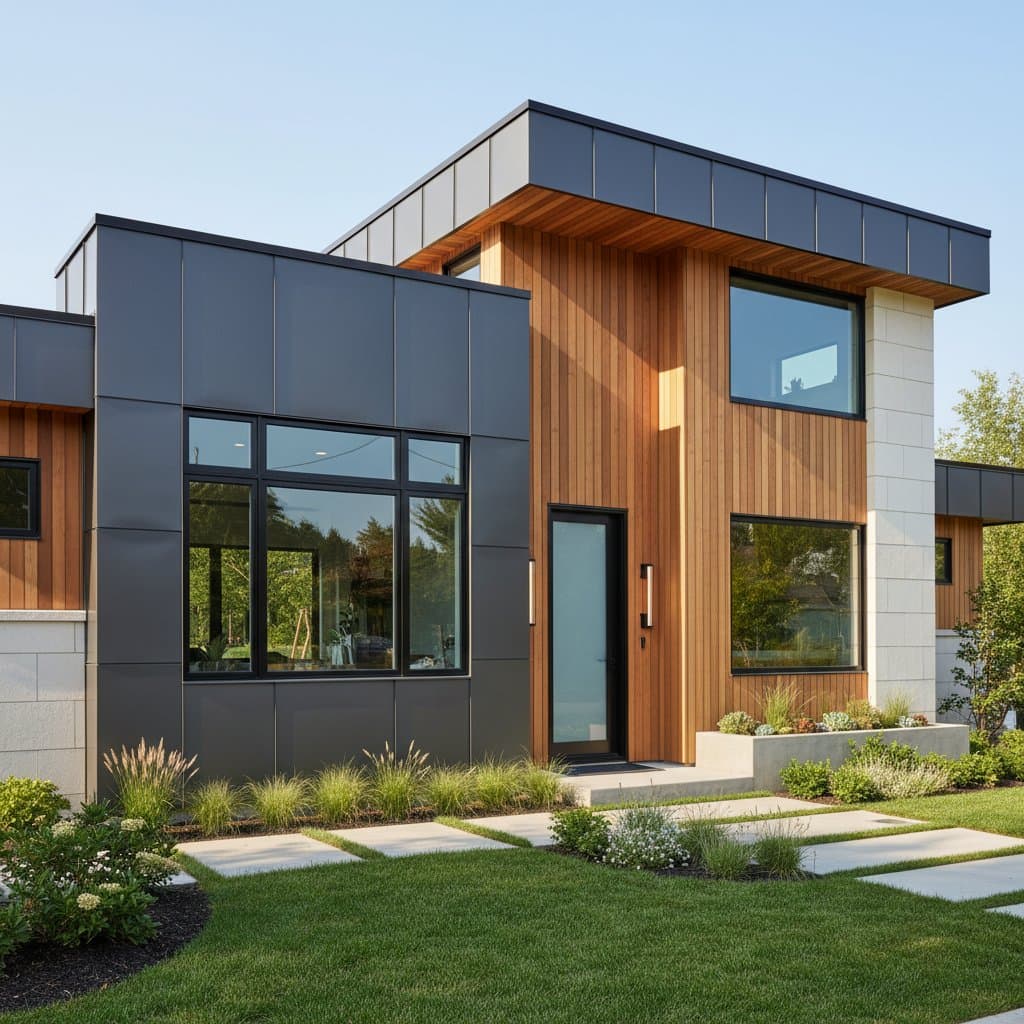
Maximize Home Value Through 2026 Hybrid Siding Innovations
Hybrid siding emerges as a strategic choice for homeowners seeking to harmonize contemporary aesthetics with reliable functionality. By integrating various materials on a single exterior, this approach elevates curb appeal, manages ongoing maintenance expenses, and enhances resale value through thoughtful planning. The careful selection of profiles and finishes introduces depth and character, ensuring the home presents attractively in photographs and withstands the passage of time.
This resource details the influence of hybrid siding on property market value, budgeting considerations, and preservation methods. It provides guidance on expenditures, anticipated outcomes, and strategies to safeguard the investment well beyond the completion of installation.
Selecting Materials and Profiles for Optimal Performance
Hybrid siding relies on complementary materials to achieve both visual harmony and structural integrity. Homeowners benefit from blending options that align with climate demands, budget constraints, and design preferences.
Key materials in hybrid siding applications:
| Material | Advantages | Disadvantages | Expected Lifespan | Maintenance Requirements |
|---|---|---|---|---|
| Fiber Cement | Resists fire, accepts paint effectively | Requires substantial labor due to weight | 30 to 50 years | Repaint every 10 to 15 years |
| Engineered Wood | Offers natural texture, reduced weight | Demands periodic sealing | 25 to 40 years | Annual washing, reseal joints as needed |
| Vinyl | Affordable, extensive color variety | Susceptible to deformation in high heat | 20 to 30 years | Rinse twice per year |
| Stone Veneer | Provides robust accent features | Involves elevated installation expenses | 50+ years | Minimal; inspect mortar joints periodically |
| Metal Panels | Delivers sleek modern appearance, impervious to pests | Vulnerable to dents | 40 to 60 years | Clean occasionally |
Strategic placement recommendations:
- Position fiber cement or stone veneer on lower elevations to bolster impact resistance against ground-level hazards.
- Reserve vinyl or engineered wood for upper stories to lighten the overall structural load and moderate expenses.
- Tailor selections to local environmental factors; fiber cement excels in humid regions, whereas metal panels thrive in arid conditions.
Achieving cohesive textures:
Restrict variations to no more than two primary materials per facade to maintain simplicity. Incorporate a mix of vertical and horizontal orientations to inject dynamism without overwhelming the eye. Reserve any additional texture for focal points such as entryways or chimney surrounds.
Practical insight:
Prioritize materials with comparable thermal expansion coefficients to minimize risks of cracking or warping at material junctions.
Ensuring Superior Installation and Mitigating Risks
The complexity of hybrid siding necessitates precise execution to avoid long-term issues. Attention to transitional details surpasses the requirements of uniform material installations, preventing water intrusion and aesthetic inconsistencies.
Essential steps for building envelope integrity:
- Install a seamless weather-resistant barrier beneath every material layer.
- Incorporate metal or PVC flashing at all horizontal material shifts.
- Overlap higher materials atop lower ones to facilitate natural water runoff.
- Adhere to manufacturer-specified expansion gaps throughout the assembly.
Frequent pitfalls to avoid:
- Omission of kick-out flashing adjacent to rooflines, which invites moisture accumulation.
- Inconsistent use of fasteners across differing materials, leading to instability.
- Accumulation of debris behind trim elements during the installation process.
Effective on-site practices:
Store material pallets on elevated surfaces away from soil to inhibit moisture absorption. Conduct daily collection of fasteners and waste to foster positive relations with neighbors. Verify that contracts explicitly account for all debris removal and disposal charges.
Practical insight:
Schedule inspections midway through the project, particularly prior to trim application and finishing coats. Addressing discrepancies early proves far more economical than remedial work after completion.
Cost Analysis and Return on Investment Projections
Hybrid siding investments vary based on material selections, home size, and regional labor rates. Typical projects for a 2,000-square-foot home range from $15,000 to $35,000, with fiber cement and stone veneers driving higher costs due to labor intensity.
Breakdown of average expenses:
- Material acquisition: 40 to 50 percent of total budget.
- Labor and installation: 40 to 50 percent.
- Removal of existing siding and preparatory work: 10 to 20 percent.
Return on investment estimates for 2026 indicate 60 to 80 percent recoupment upon resale, particularly in competitive markets where curb appeal influences buyer decisions. Enhanced energy efficiency from certain material blends, such as metal panels, may qualify for rebates, further improving net returns.
Factors influencing ROI:
- Location-specific demand for modern exteriors.
- Quality of installation, which affects longevity and appeal.
- Complementary upgrades, like updated landscaping, that amplify overall value.
Practical insight:
Conduct a pre-project appraisal to benchmark current value and project post-upgrade gains, ensuring alignment with financial goals.
Choosing and Collaborating with Contractors
Success in hybrid siding projects hinges on partnering with professionals versed in multi-material integrations and specialized fastening techniques.
Comprehensive project scope elements:
- Specifications for material varieties, profiles, and total coverage area.
- Details on moisture barriers, flashing systems, and transitional components.
- Plans for trim, corners, and finishing treatments.
- Protocols for waste disposal and site restoration.
- Arrangements for permits, inspections, and compliance.
Evaluating competitive bids:
Obtain a minimum of three detailed written quotes based on uniform scope descriptions. Confirm inclusion of demolition, substrate preparation, and junction trims in each proposal. Scrutinize and eliminate vague allowances that obscure true expenses.
Structured payment terms:
Align disbursements with verifiable progress points, including completion of old siding removal, arrival of new materials, and final walkthrough. Retain 10 percent of the total until all corrective items receive resolution.
Practical insight:
Favor the bidder offering the most transparent and thorough documentation over the cheapest option. Precision in hybrid applications rewards meticulous planning over expedited methods.
Maintenance Strategies and Long-Term Value Preservation
Once installed, hybrid siding requires a tailored regimen to sustain its performance and appearance, ensuring sustained contributions to home equity.
Routine care protocols:
- Inspect annually for signs of wear, such as fading paint or loose joints, addressing issues promptly.
- Clean surfaces with mild solutions to remove environmental buildup, avoiding abrasive methods that could damage finishes.
- Monitor transitions between materials for moisture signs, resealing as recommended by manufacturers.
Benefits of diligent upkeep:
- Extends material lifespan, postponing replacement costs.
- Preserves aesthetic integrity, supporting higher resale appraisals.
- Prevents minor problems from escalating into structural concerns.
In 2026, homeowners who invest in hybrid siding and maintain it proactively position their properties for premium market positioning. This approach not only modernizes the exterior but also builds lasting value through resilience and appeal.