
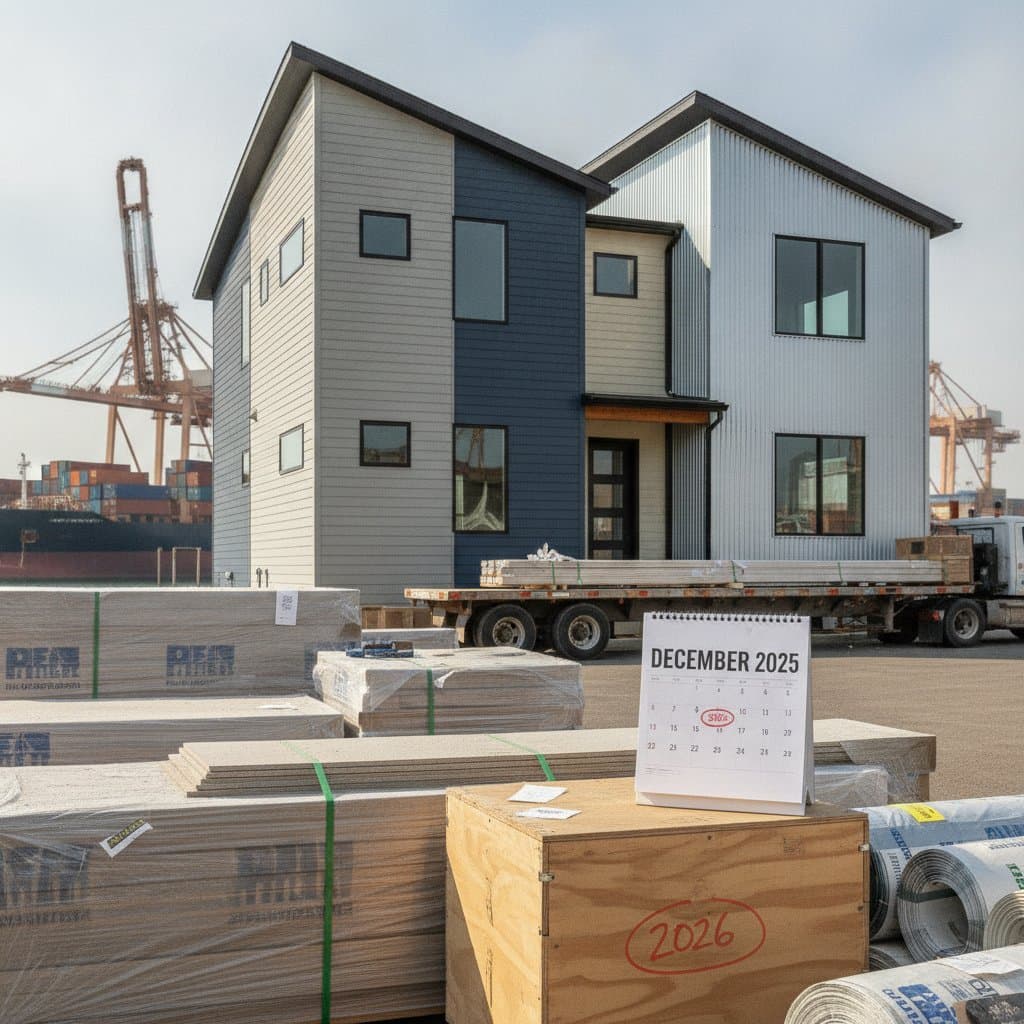
Planning Your Siding Project Ahead of Supply Challenges
Homeowners planning a siding upgrade face pressure from material supply limits and rising freight costs. Disruptions in resin, steel, and fiber cement production have stretched lead times for many cladding types. Waiting too long may lead to higher prices or reduced product choices. This guide explains how to plan, budget, and select siding now.
Budgeting and Scope Considerations
A full siding project includes removal of old cladding, repair of sheathing, installation of a weather-resistive barrier, new siding, trim, and sealants. Some homes also need insulation or structural repairs before installation. A clear written scope protects against surprise costs.
Installed costs per square foot for standard two-story homes with straightforward access are as follows:
- Vinyl siding: 6 to 10 dollars
- Fiber cement siding: 9 to 14 dollars
- Engineered wood siding: 8 to 13 dollars
- Metal siding: 10 to 18 dollars
Steep lots, tall gables, or custom trim can add 10 to 25 percent.
Key Cost Drivers and Timeline
Material availability affects prices and color choices when supply tightens. Labor demand rises in busy seasons. Disposal of asbestos or damaged sheathing adds expense. Trim detail and access needs increase labor time.
A realistic schedule includes bidding and selection in one to two weeks, material lead time of two to eight weeks, installation in one to three weeks, and final inspection in a few days. Ordering early locks in price and production slots.
Permits, Budget Controls, and Repair Decisions
Most municipalities require a siding permit and may check insulation or energy code compliance. Keep your driveway clear for staging and confirm power access. Insist on a fixed bid that defines materials and finishes. Any substitution must be priced in writing.
Minor siding damage can often be patched. Widespread cracking, rot, or moisture behind panels means replacement is safer. Replacing early avoids hidden sheathing rot.
Durability and Performance by Climate
Local climate drives material choice. High wind zones require impact-rated vinyl or mechanically fastened metal panels. Coastal regions need corrosion-resistant fasteners and coatings. Freeze-thaw areas favor fiber cement when properly sealed. Hot climates benefit from light-colored siding to reduce heat absorption.
Fiber cement offers top fire ratings and resists pests. Engineered wood requires sealing at every cut. Vinyl softens under high heat but does not absorb water. Metal will not burn but can dent under impact.
Installation Details and Maintenance
A continuous weather barrier behind the siding keeps walls dry. Use flashing at windows, doors, and roof edges. Maintain a drainage gap behind fiber cement and wood products. Prime field cuts before installation to keep warranties valid.
Vinyl needs washing with mild soap and a soft brush once a year. Fiber cement requires caulk inspection every two years and repainting about every decade. Engineered wood needs recoating every five to seven years. Metal should be rinsed annually to prevent oxidation. Avoid pressure washers above 1500 psi.
Staying Ahead of Shortages
Order early to lock in product while factories have capacity. Ask about substitutes if specific colors or lengths face delays. Store materials dry and off the ground. Request weekly freight updates once the order is placed. Document invoices and lot numbers for warranty or delay claims.
Flexibility with second-choice colors or profiles often finishes projects weeks sooner.
Common Questions
Fiber cement and metal panels have more stable supply chains because they rely less on petroleum-based resins. Mixing brands is possible if thickness, profile, and finish match. Confirm availability with regional distributors rather than local retailers. Prices rarely fall once they rise. Refuse damaged pallets at delivery and document with photos.
Protecting the Investment
Schedule regular inspections and light cleaning after installation. Trim vegetation so panels dry quickly after rain. Ensure gutters direct water away from walls. Tighten fasteners if rattling occurs in high wind. Early planning secures reliable materials and supports a resilient exterior for decades.