
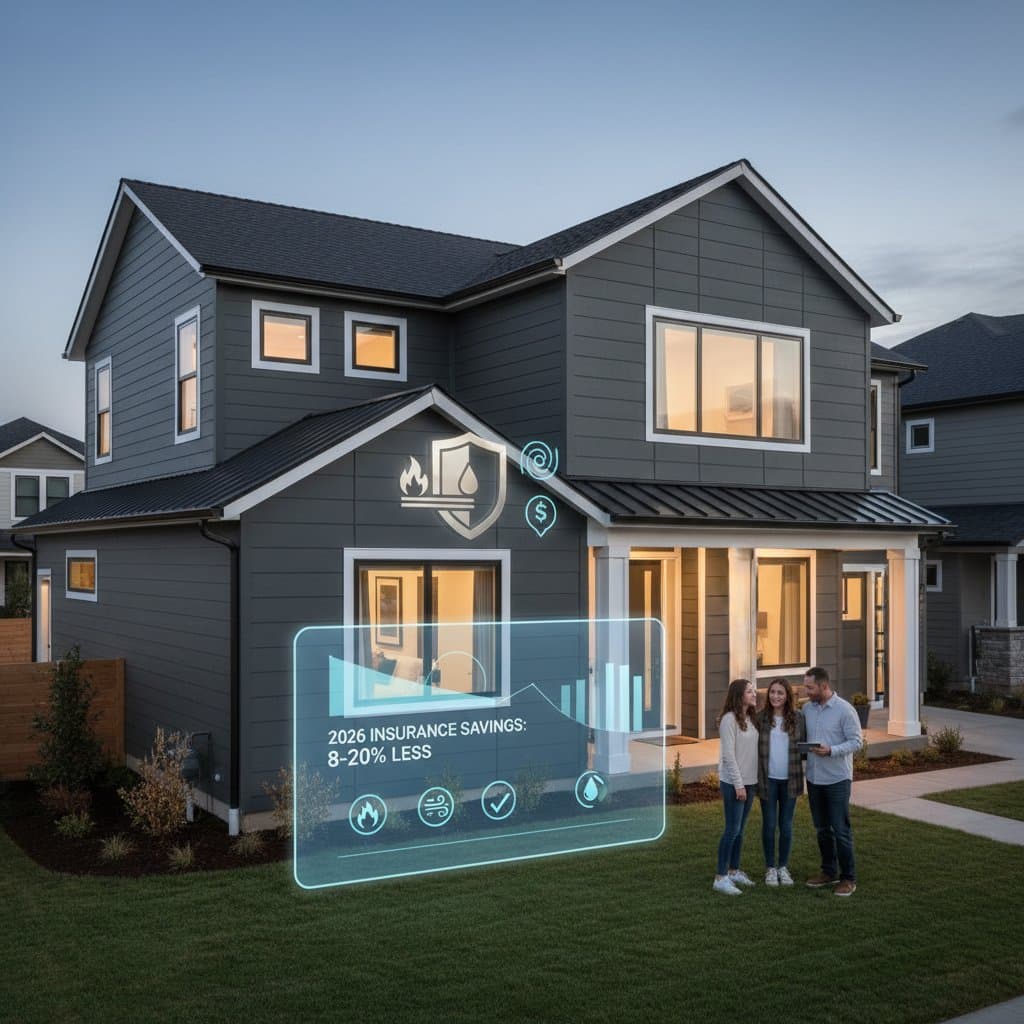
Understanding Insurance Savings with Fiber Cement Siding
Homeowners increasingly consider fiber cement siding for its practical advantages beyond aesthetics. Insurance providers now offer incentives for materials that minimize risks from fire, wind, and moisture. Fiber cement excels in these areas by resisting ignition, maintaining integrity during impacts, and containing potential damage. These qualities result in fewer claims and reduced premiums. The following sections outline the mechanisms behind these savings, influencing factors on expenses, and strategies for effective implementation.
How Fiber Cement Influences Insurance Premiums
Insurance firms evaluate materials based on their potential for loss. Fiber cement earns classification as noncombustible, which means it avoids ignition and flame propagation. This feature often yields premium reductions of 8 to 20 percent relative to vinyl or wood alternatives. Savings vary according to the provider, proximity to fire hydrants, and regional hazard levels.
Key Reasons for Insurance Incentives
- Minimized Fire Damage: The material delays ignition, thereby restricting overall structural harm.
- Decreased Claim Incidence: Its robustness withstands hail and wind impacts effectively.
- Prolonged Lifespan: Reduced need for replacements correlates with fewer insurance submissions.
- Consistent Reliability: Limited expansion and rot resistance cut down on routine service requests.
Providers often view fiber cement installations as risk-reduction enhancements. Documentation like fire-rating certificates from manufacturers or project photographs may prove necessary. Consult an insurance agent prior to commencement to verify qualification and potential discounts.
Sample Cost Recovery Illustration
Consider a typical two-story residence requiring 2,000 square feet of siding. Installation expenses total approximately 24,000 dollars at 12 dollars per square foot. Annual premiums drop by 15 percent, or 300 dollars yearly on a 2,000-dollar policy. Over 10 years, savings accumulate to 3,000 dollars, achieving payback within eight years while enhancing home value and protection.
Durability and Safety Features of Fiber Cement
Fiber cement siding demonstrates superior performance against environmental challenges compared to vinyl or wood options. It absorbs little moisture, avoiding issues like swelling or decay. In coastal areas, appropriate sealing around fasteners prevents salt-induced discoloration. Harsh winters pose minimal threat, as the material exhibits low thermal expansion to avert freeze-thaw cracks.
Performance Against Fire, Moisture, and Impact
The noncombustible designation drives primary insurance benefits. Fiber cement withstands direct flame without igniting and ceases to support combustion post-exposure. This characteristic eases firefighting efforts and curtails structural losses. Its density also deflects hailstones and airborne debris, thereby lowering repair demands.
Essential Installation Practices to Avoid Issues
- Select corrosion-resistant fasteners such as nails or screws.
- Ensure one-inch gaps from roofs and horizontal trims to facilitate water runoff.
- Apply housewrap or building paper as a vapor barrier behind panels.
- Seal all joints and openings with flashing.
- Position lower edges at least six inches above ground level to block splash damage.
Planning and Cost Considerations for Installation
A comprehensive fiber cement project encompasses removal of existing siding, sheathing evaluation, moisture barrier application, trim incorporation, and final coating or painting. Partial repairs, like replacing isolated damaged panels, typically fail to secure insurance reductions, as they do not upgrade the entire building envelope.
Expense Overview and Per-Square-Foot Estimates
For a standard two-story home, total costs range from 18,000 to 32,000 dollars. Per-square-foot pricing falls between 9 and 14 dollars, influenced by panel type, trim complexity, and finish selections. Labor comprises about half the budget. Opting for factory-prefinished panels increases initial outlay but reduces painting and access expenses.
Factors Impacting Total Costs
- Building Height and Accessibility: Multi-story structures demand additional staging and safety measures.
- Demolition Challenges: Presence of asbestos or layered materials elevates disposal charges.
- Trim and Detailing Extent: Elaborate elements like corner boards, window casings, and battens extend labor time.
- Coating Options: Factory-applied finishes command higher prices yet provide extended durability and warranties.
- Local Labor Variations: Metropolitan areas often incur 15 to 25 percent premiums.
Project Timeline from Initial Bid to Completion
- Bidding Process: Schedule two to three consultations to outline scope, take measurements, and select products.
- Agreement and Procurement: Factor in approvals for colors and profiles.
- Preparation Phase: Relocate fixtures, adjust landscaping, and position waste containers.
- Core Installation: Expect seven to twelve business days for average residences.
- Final Review and Adjustments: Assess fastener placement, joint spacing, and surface uniformity.
Regulatory and Logistical Requirements
Local building codes recognize fiber cement as noncombustible exterior cladding. Permits remain mandatory for complete resurfacing efforts. Officials verify weather barriers, flashing details, and securement methods. Contractors require unobstructed driveway entry for deliveries and a 20-foot perimeter for safe material processing.
Strategies to Manage Budget and Avoid Surprises
- Evaluate underlying substrates before starting removal to identify concealed deterioration.
- Finalize trim and accent specifications prior to procurement.
- Retain surplus panels on-site for seamless future touch-ups.
- Obtain documented estimates for ancillary items like painting, debris removal, and equipment rental.
Deciding Between Repairs and Full Replacement
Minor imperfections such as cracks or chips respond well to fiber cement fillers and matching paint. However, signs of delamination, extensive bloating, or seam gaps signal the need for wholesale panel substitution. Only complete overhauls typically unlock insurance advantages.
Maintenance and Long-Term Care
Regular upkeep preserves fiber cement's performance and warranty integrity. The material demands minimal intervention, focusing on preventive measures to sustain appearance and function.
Recommended Maintenance Schedule
| Task | Interval | Method | Notes |
|---|---|---|---|
| Inspect caulk joints | Every 2 years | Visual examination | Reapply sealant if separations form |
| Clean siding surface | Annually | Hose with mild detergent | Steer clear of high-pressure tools |
| Refresh paint | Every 10-15 years | Acrylic exterior formula | Adhere to manufacturer color guidelines |
| Examine flashing | Every 3 years | Visual review | Remove obstructions and verify integrity |
Refrain from abrasive cleaners or stiff brushes. Direct irrigation away from walls to prevent deposit buildup.
Warranty Essentials and Homeowner Duties
Leading manufacturers provide 30- to 50-year limited warranties on the core material and 15-year protection for preapplied finishes. Adherence to specified installation and care protocols ensures validity. Neglecting timely repainting may invalidate surface coverage. Retain records, as insurers may seek evidence during claim evaluations.
Practical Strategies for Optimal Results
To maximize benefits from fiber cement siding, integrate these approaches throughout the project.
- Partner with certified installers experienced in noncombustible materials to meet code and warranty standards.
- Choose profiles and colors that complement architectural style while prioritizing performance over trends.
- Coordinate with your insurer early to document the upgrade and apply discounts promptly.
- Plan for seasonal timing, such as drier months, to minimize weather-related delays.
- Invest in quality accessories like enhanced flashing to bolster overall envelope resilience.
These steps not only secure immediate insurance relief but also fortify your home against future hazards, delivering enduring value and peace of mind.