
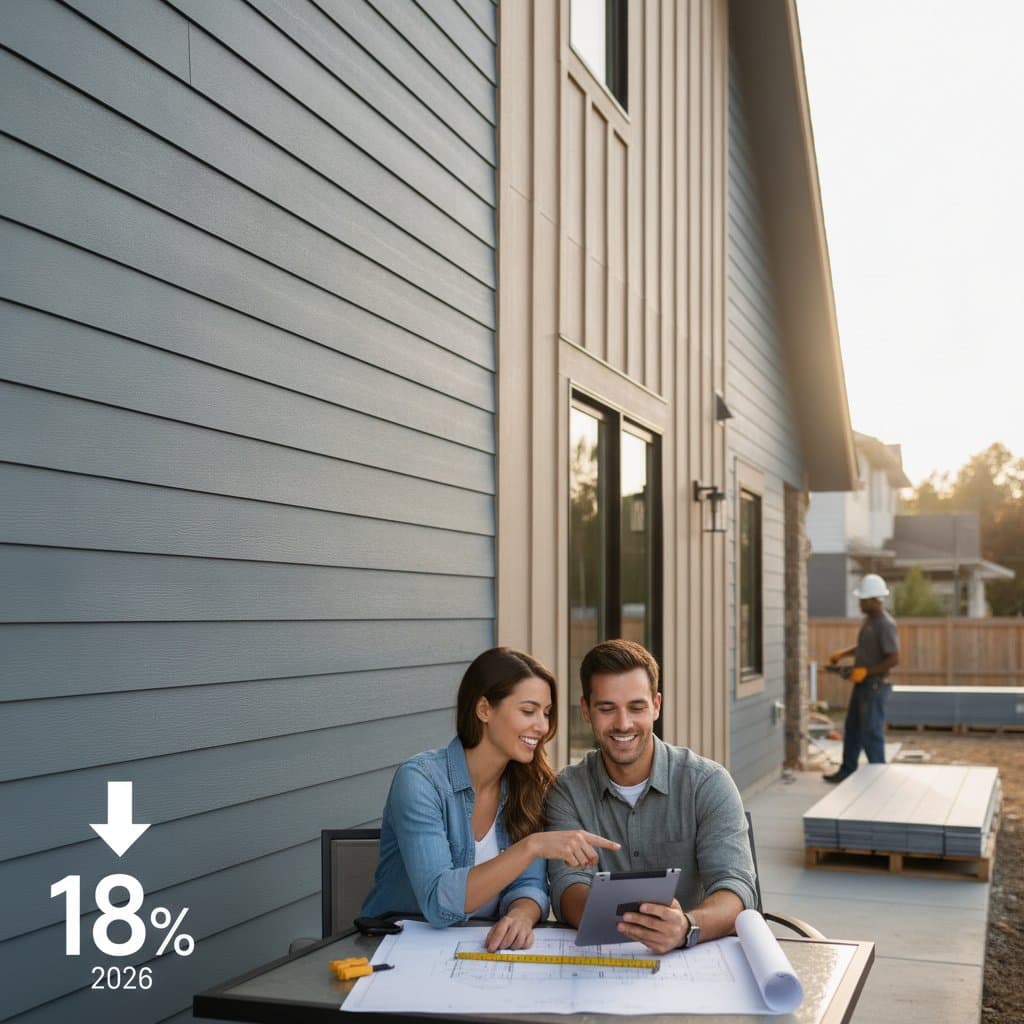
Why Fiber Cement Siding Prices Are Expected to Decline
Fiber cement siding offers a durable exterior solution that resists fire, insects, and moisture. Projections indicate an 18 percent reduction in material costs during 2026. This change stems from increased domestic manufacturing capacity and refined production processes that lower overall expenses.
Homeowners planning exterior upgrades can use this shift to reduce total project outlays. Lower prices do not affect product performance or warranty coverage. The savings apply across multiple styles and thicknesses.
Factors Driving the Price Reduction
Expanded factory output in the United States reduces reliance on imported materials. New production lines incorporate automated mixing and curing systems that cut labor hours per panel. These efficiencies translate directly into lower wholesale pricing for distributors and contractors.
Raw material costs for cement and cellulose fibers have stabilized after recent supply chain improvements. Manufacturers pass a portion of those savings forward. Regional availability also increases, which trims transportation fees in many markets.
Planning Your Siding Project
Begin by measuring the square footage of all exterior walls, including gables and dormers. Subtract window and door openings to arrive at the net area that requires coverage. This measurement determines the exact quantity of panels needed.
Schedule consultations with three licensed installers during the first quarter of 2026. Request written quotes that separate material and labor line items. Compare warranties on finish coats and panel thickness before signing any agreement.
Budgeting Strategies for Maximum Savings
Set aside funds for both materials and labor at the reduced 2026 rates. Allocate an additional 10 percent contingency for trim pieces, flashing, and disposal fees. Track price quotes over several weeks to confirm the downward trend before committing.
Consider phasing the work by elevation if cash flow requires it. Complete the front and side walls first, then finish the rear in a later phase when prices may drop further. This approach preserves curb appeal while spreading payments.
Selecting the Right Style and Finish
Smooth panels provide a modern appearance and require less frequent cleaning than textured options. Wood grain finishes replicate traditional clapboard at a lower long term maintenance cost. Choose pre primed boards when painting on site to ensure consistent color adhesion.
Select a thickness of five sixteenths of an inch or greater for two story homes that experience higher wind loads. Verify that the chosen color carries a minimum 15 year fade warranty. Darker hues absorb more heat and may show dust more readily than lighter tones.
Preparing for Installation
Remove existing siding only after confirming delivery dates for the new fiber cement. Protect landscaping with tarps and temporary fencing during the removal phase. Schedule final inspections with the local building department once underlayment and weather barrier are in place.
Coordinate with painters to apply finish coats within manufacturer specified time frames after installation. Proper sequencing prevents moisture intrusion at joints and seams.
Maximizing Long Term Value
Pair the new siding with upgraded insulation and ventilation details to improve whole house energy performance. Document all material specifications and installer credentials for future resale disclosures. These steps convert the 2026 price reduction into lasting equity and reduced operating costs.