
Understanding Fiber Cement Siding Value
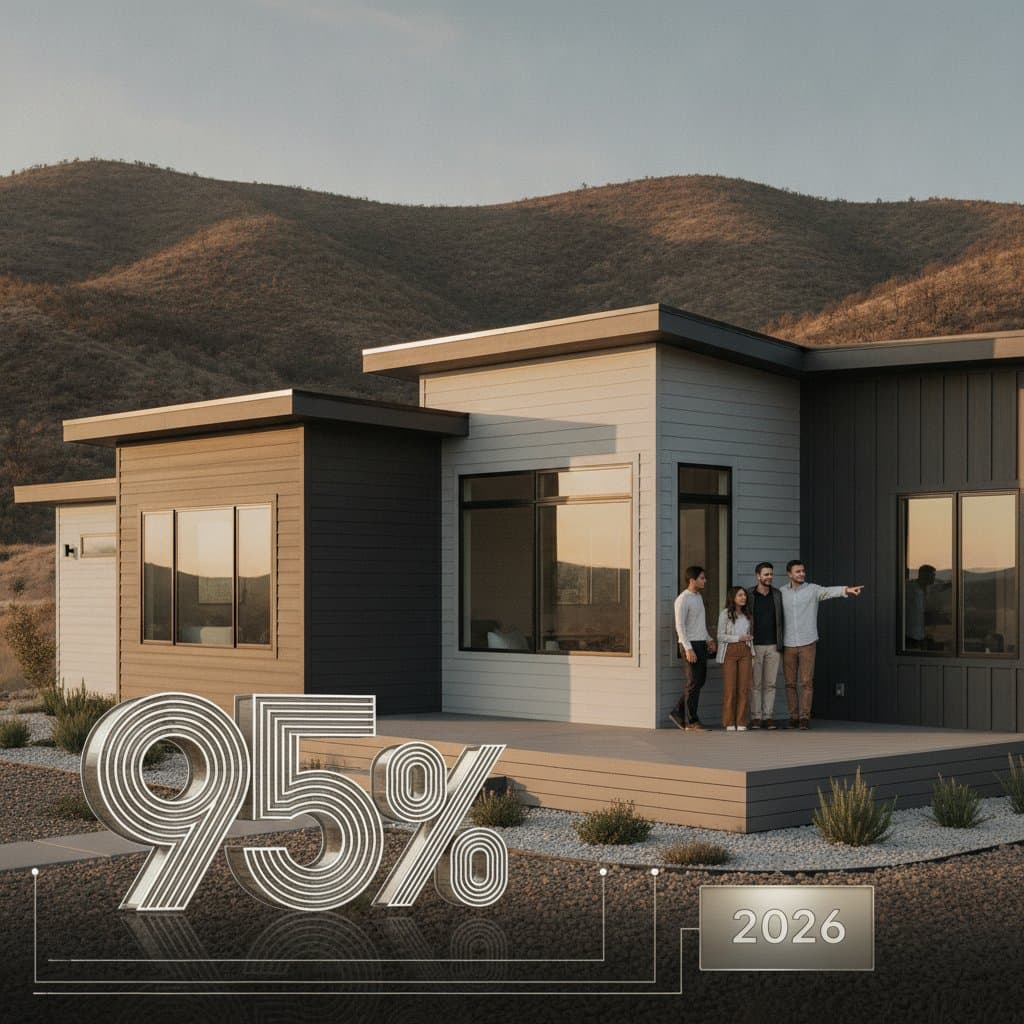
Fiber cement siding combines cement, sand, and cellulose fibers to create a durable exterior finish. Homeowners select this material because it resists fire, moisture, and pests while maintaining a consistent appearance over decades. Recent market data shows that quality installations return up to 95 percent of project costs at resale when fire safety ranks as a buyer priority.
Fire Resistance and Insurance Advantages
Fiber cement siding earns high fire ratings because it does not ignite or spread flames. This performance reduces insurance premiums in wildfire prone regions and satisfies stricter building codes in many municipalities. Insurance carriers often classify homes with this siding in lower risk categories, which produces measurable annual savings that accumulate over the ownership period.
Proper installation includes maintaining required clearances around vents and using rated caulks at joints. These details preserve the fire rating and support long term insurance benefits.
Cost Factors and Return Expectations
Material prices range from 8 to 15 dollars per square foot installed, depending on thickness, finish, and regional labor rates. A typical single story home requires between 1,500 and 2,000 square feet of coverage. Although the upfront investment exceeds vinyl options, the extended service life and reduced maintenance offset the difference within seven to ten years.
Buyers consistently pay premiums for exteriors that demonstrate documented fire resistance. Appraisers note fiber cement projects among the highest returning exterior improvements when comparable sales include similar upgrades.
Design Options and Aesthetic Flexibility
Manufacturers supply fiber cement in smooth, wood grain, and stucco textures. Color is either factory applied or field painted with 100 percent acrylic coatings that resist fading for fifteen years or longer. Trim pieces match the siding profile, which produces clean transitions at corners, windows, and doors.
Homeowners achieve varied architectural styles by combining horizontal lap siding with vertical panels or decorative battens. These combinations maintain a cohesive appearance without introducing multiple material interfaces that could compromise weather resistance.
Installation Best Practices
Successful projects begin with a weather resistant barrier applied directly to the sheathing. Installers then fasten planks or panels with corrosion resistant nails positioned according to manufacturer schedules. Expansion gaps at ends and around openings prevent buckling during temperature changes.
Quality control includes verifying level and plumb lines on every course and sealing all fastener heads and joints with compatible caulk. These steps eliminate common failure points that shorten service life.
Maintenance Requirements
Annual inspections focus on sealant integrity around penetrations and any surface damage from impacts. Cleaning requires only mild detergent and low pressure rinsing to remove dirt without eroding factory finishes. Repainting intervals average fifteen years when premium coatings are used initially.
Avoid abrasive power washing or harsh chemicals that could remove protective layers. Touch up paint matched to the original color keeps the surface uniform and maintains warranty coverage.
Selecting a Qualified Installer
Choose contractors who hold manufacturer certifications and provide references from completed fiber cement projects. Request written details on flashing methods, ventilation provisions, and warranty registration procedures before signing agreements. Proper documentation protects both the installation quality and future resale claims.
Long Term Performance Outcomes
Homes equipped with correctly installed and maintained fiber cement siding demonstrate lower exterior repair frequency and sustained curb appeal. These characteristics translate into faster marketing times and stronger offers when owners decide to sell.