
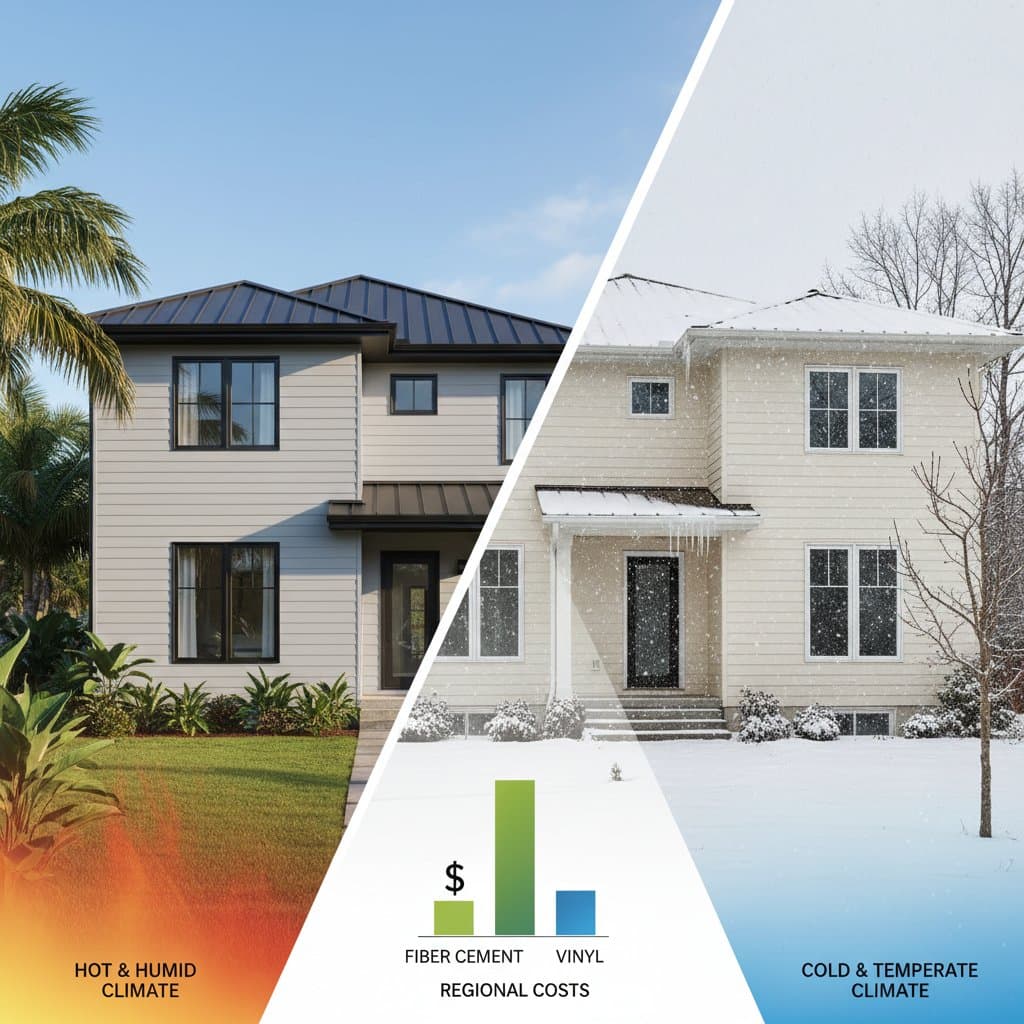
Fiber Cement vs Vinyl Siding: Selecting the Optimal Option for 2026 Climates
Homeowners frequently evaluate fiber cement and vinyl siding during renovation or replacement projects. Both materials perform reliably with proper installation, yet the superior choice hinges on regional weather patterns, financial constraints, and ongoing maintenance commitments. This guide details planning strategies, cost considerations, and care routines to support informed decisions.
Understanding Styles and Material Choices
Essential Siding Profiles
Siding profiles define the aesthetic and functional aspects of exterior cladding. Common options include:
- Lap siding: Horizontal planks that create a classic, overlapping appearance on walls.
- Board and batten: Vertical boards paired with slim battens to conceal joints, ideal for contemporary or rustic designs.
- Shingle panels: Textured sheets mimicking traditional shingles, suited for gable ends or decorative features.
- Panel systems: Broad, seamless sheets that facilitate sleek, modern facades.
Detailed Material Breakdown
Each siding type presents unique advantages and limitations. The following table summarizes key attributes:
| Material | Advantages | Drawbacks | Ideal Applications |
|---|---|---|---|
| Vinyl | Affordable pricing, minimal upkeep, rot resistance | Prone to cracking in severe cold, UV-induced fading | Temperate or mild weather regions |
| Fiber Cement | Fire resistance, stability in high heat and moisture, paint adhesion | Increased weight, elevated installation expenses, periodic repainting required | Humid, hot, or wildfire-vulnerable zones |
Guidelines for Combining Materials
Integrating fiber cement and vinyl demands attention to compatibility in thickness and thermal expansion. For example, apply vinyl to upper stories and fiber cement to lower sections, ensuring flashings direct water away effectively. Position transitions at horizontal elements like belt courses or trim lines to prevent moisture infiltration.
Selecting Trim and Accents
Opt for cellular PVC or pre-primed fiber cement trim to enhance longevity against weathering. Steer clear of untreated wood trim in moisture-heavy areas; seal all surfaces if wood proves necessary. Coordinate colors with sun exposure: select lighter shades for south-facing walls to minimize fading from prolonged UV contact.
Real-World Application Examples
Consider these tailored scenarios to illustrate decision-making:
- Coastal properties: Fiber cement withstands salt corrosion and intense, wind-borne precipitation more effectively than vinyl.
- Northern, cold-weather homes: Select vinyl engineered for repeated freeze-thaw cycles, augmented by insulated underlayment for superior thermal efficiency.
- Wildfire-susceptible regions: The non-combustible properties of fiber cement deliver enhanced safety and may qualify for reduced insurance rates.
Comprehensive Project Preparation Steps
Approach siding installation as a structured process to ensure quality outcomes. Follow these sequential steps:
-
Establish objectives and project boundaries: Determine whether the work involves complete replacement or targeted updates. Calculate square footage of all exterior surfaces, including allowances for windows, doors, and soffits, to obtain precise contractor estimates.
-
Vet and select installers: Verify credentials such as manufacturer certifications, liability coverage, and client testimonials. Analyze proposals item by item, scrutinizing labor rates, material specifications, and warranty terms beyond aggregate figures.
-
Review physical samples: Procure actual panels in chosen finishes and hues. Evaluate surface texture, sheen, and color accuracy under natural light to confirm alignment with expectations.
-
Prepare the property: Remove nearby plants, relocate outdoor items, and secure pathways for equipment. Coordinate delivery logistics, including designated unloading zones and temporary storage.
-
Manage on-site disruptions: Anticipate elevated noise levels, airborne particles, and restricted entry points. Establish clear schedules for crew arrival and departure to minimize inconvenience to daily routines.
-
Conduct ongoing inspections: Examine foundational elements like starter courses, waterproofing overlaps, and securement intervals each day. Schedule progress reviews midway to address issues promptly before final completion.
Sustaining Your Siding Investment
Post-installation, fiber cement and vinyl alike offer extended durability with consistent attention. Climate dictates the most suitable material, but proactive habits benefit any selection.
- Arid or balanced environments: Vinyl delivers economical protection with little required intervention.
- Moist or fire-risk locales: Fiber cement ensures robust defense and security.
- Freezing territories: Prioritize reinforced vinyl or pre-coated fiber cement to endure thermal stresses.
Schedule routine cleaning or refinishing as needed, maintain functional drainage systems, and secure displaced sections following severe weather events. Such diligent practices prolong performance, uphold manufacturer guarantees, and preserve your home's appeal and protection over decades.