
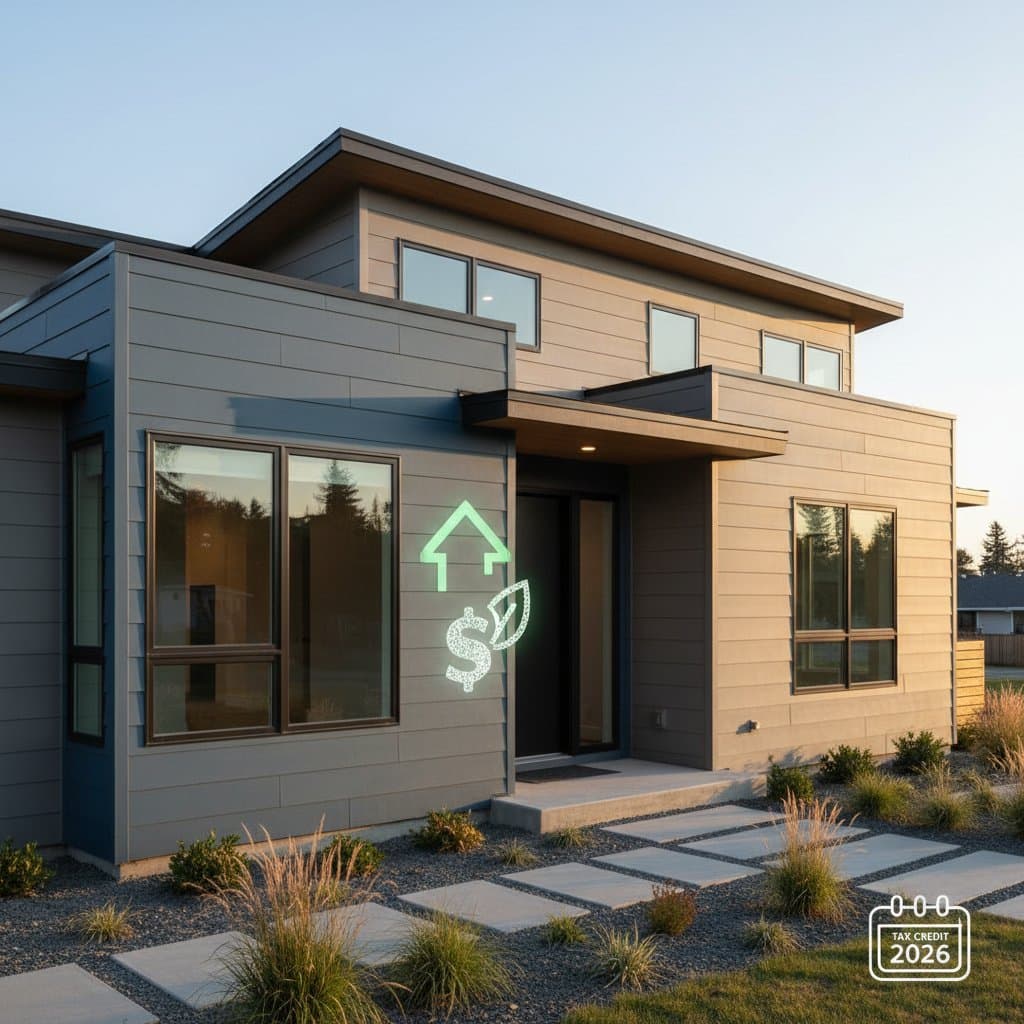
Claim Up to $3,500 in Tax Credits with Fiber Cement Siding in 2026
Homeowners considering a siding replacement stand to benefit significantly from upcoming energy efficiency incentives. Fiber cement siding meets the criteria for multiple performance-oriented programs that incentivize the use of robust, energy-saving materials. Through meticulous documentation and professional installation, individuals may secure tax savings reaching $3,500. Success hinges on understanding qualification standards, orchestrating the project effectively, and addressing factors that influence eligibility.
These incentives, set to take effect in 2026, target improvements that reduce energy consumption and enhance building resilience. Fiber cement excels in this regard due to its thermal properties and longevity, which contribute to lower heating and cooling demands over time. Consult a tax professional early to align your project timeline with credit availability and to gather necessary forms.
Selecting the Right Style and Profile
Essential Profiles and Their Applications
Fiber cement siding appears in several versatile forms, each suited to distinct architectural visions. Horizontal lap siding provides a timeless appeal, replicating the look of classic wood clapboards and integrating seamlessly with traditional suburban residences. Vertical panels deliver a sleek, contemporary edge, ideal for modern structures or farmhouse aesthetics that emphasize clean lines. Shingle styles evoke coastal charm or craftsman warmth, adding texture to gabled roofs or entryways.
When choosing a profile, evaluate your home's existing features. Measure wall heights and window placements to determine scale; for instance, wider lap siding suits larger facades, while narrower options prevent a cluttered appearance on smaller surfaces. Sample installations from local suppliers can help visualize outcomes before committing.
Advantages and Limitations of the Material
Advantages
- Achieves a non-combustible classification with superior fire resistance ratings
- Withstands moisture, rot, and pest infestations without degradation
- Retains paint adhesion far longer than natural wood alternatives
- Offers extensive options in pre-finished colors, smooth textures, or wood-grain embossing
Limitations
- Exceeds vinyl in weight, necessitating team handling during installation
- Demands precise cutting with carbide-tipped tools to avoid fraying
- Requires comprehensive priming and sealing on all exposed edges for protection
These attributes make fiber cement a premium choice for regions prone to harsh weather. Balance these factors against your budget; initial costs range from $8 to $15 per square foot installed, offset by the tax credit and reduced upkeep.
Combining Profiles for Aesthetic Harmony
Contractors often blend profiles to accentuate a home's character without excess complexity. Apply horizontal lap to primary walls for broad coverage, then incorporate shingle accents on gables or dormers for visual interest. Ensure transitions remain unobtrusive by employing consistent reveal widths and J-channel dividers.
This method amplifies architectural details, such as rooflines or bay windows, while maintaining cohesion. Sketch a facade diagram beforehand, marking profile shifts, to guide material orders and avoid shortages mid-project.
Integrating Trim and Accents
Trim elements frame corners, encase windows, and outline doors, enhancing both function and form. Opt for fiber cement trim to match the siding's endurance and warranty terms. Alternatives like aluminum or PVC composites minimize future painting but require color coordination to avoid clashing.
Restrict accent hues to one or two complementary shades, applied via bold trim boards or soffit panels. For example, a neutral siding paired with crisp white trim creates enduring elegance. Test samples under natural light to confirm harmony with your roof and foundation colors.
Practical Application Examples
- Homes with brick foundations: Pair fiber cement lap siding above the brick for a balanced, enduring exterior that requires minimal intervention.
- Contemporary rectangular designs: Employ vertical panels with a matte finish alongside slim metal trim for a minimalist profile.
- Bungalow or artisan styles: Merge lap siding on flat surfaces with shingle patterns on peaks, accented by substantial corner boards for depth.
These configurations demonstrate versatility. Review zoning guidelines to ensure selections comply with neighborhood standards.
Ensuring Durability and Safety Standards
Resilience Against Weather and Fire
Fiber cement siding endures extreme conditions, from gale-force winds to relentless precipitation and thermal fluctuations. The material resists warping from prolonged solar exposure or high humidity levels. Its inherent non-combustible nature provides robust fire protection, surpassing many synthetic options.
Secure optimal performance by selecting fasteners resistant to corrosion, such as hot-dipped galvanized nails, and incorporating code-compliant flashing around penetrations. These steps not only extend lifespan but also bolster eligibility for energy credits tied to weatherproofing.
Managing Moisture and Impact Risks
Effective installation includes precise flashing at joints and thorough application of sealant to block water penetration. Panels demonstrate greater impact tolerance than vinyl, deflecting hail or falling branches effectively. However, severe strikes from machinery may cause chipping; address such issues immediately to safeguard the underlying weather-resistant barrier.
Annual inspections reveal early signs of wear. Probe caulk lines for cracks and test paint integrity to prevent escalation.
Maintaining the Building Envelope
Routine care preserves the siding's integrity. Examine caulk, coatings, and fasteners biennially, refreshing as needed with manufacturer-recommended products. Employ gentle cleaning methods, such as a diluted soap solution and nylon brush, to remove dirt without compromising seals.
Steer clear of high-pressure washing, which risks driving moisture into voids. Maintain clearance from shrubs and vines to deter moisture accumulation and promote airflow around the structure.
Navigating Warranties and Responsibilities
Leading manufacturers extend warranties spanning 30 to 50 years against defects, contingent on adherence to installation protocols and upkeep schedules. Deviations, such as using incompatible paints or neglecting joint maintenance, risk nullifying protection. Retain all invoices and inspection logs to substantiate claims.
Engage certified applicators to fulfill warranty prerequisites. This investment safeguards your asset and supports tax documentation.
Preparing for a Successful Installation
- Establish project objectives. Specify whether the work involves complete replacement, partial refresh, or accent additions to align resources accordingly.
- Identify qualified contractors. Prioritize firms holding active certifications in fiber cement application, backed by verifiable references from similar undertakings.
- Solicit and evaluate proposals. Confirm uniformity across bids in terms of panel gauge, surface treatments, and trim inclusions for accurate comparisons.
- Examine physical samples. Solicit color swatches and small-scale mockups to assess texture and shade under site-specific lighting.
- Stage the work area. Relocate outdoor elements like patio sets or landscaping features; verify availability of electrical outlets and water sources.
- Conduct ongoing oversight. Monitor daily progress for proper flashing placement and alignment; document with timestamped photographs.
- Perform comprehensive walkthrough. Accompany the supervisor around the property to verify completeness prior to releasing payment.
Incorporate a contingency for weather delays, typically 10 to 15 percent of the timeline. Secure permits in advance to avoid interruptions.
Maximizing Returns on Your Siding Investment
Fiber cement siding delivers enduring performance, amplified by 2026 tax incentives that reward sustainable choices. Compile a comprehensive file containing permits, compliance certificates, and material specifications to facilitate credit submissions. Schedule repaints every seven to ten years and caulk inspections annually to sustain appearance and protection.
Upon selling your property, transfer this documentation to the buyer. It upholds warranty validity and underscores the home's energy-efficient attributes, potentially elevating market value. This strategic approach transforms a necessary upgrade into a multifaceted asset for immediate savings and future security.