
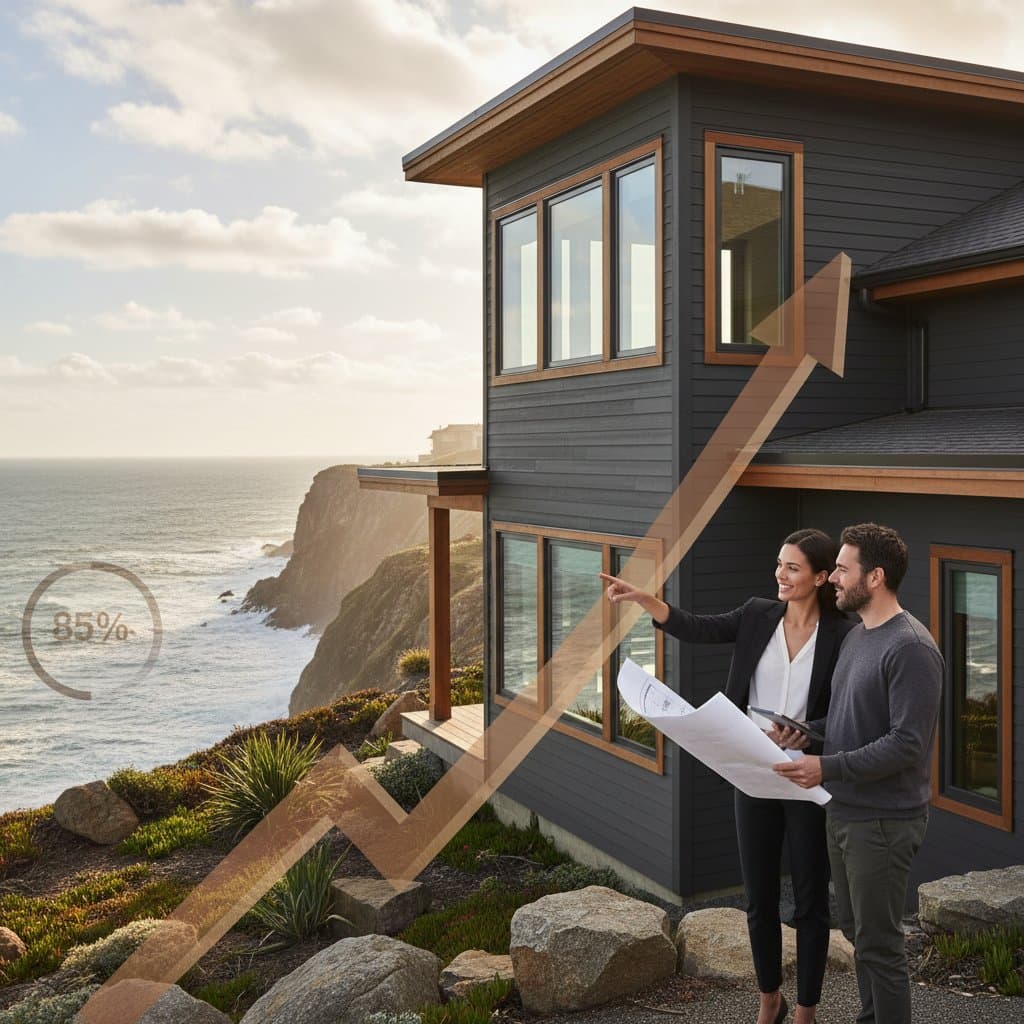
Understanding the 85% ROI Advantage of Fiber Cement Siding in High-Risk Areas
Homeowners facing elevated risks from severe weather, wildfires, or coastal conditions increasingly select fiber cement siding. This choice safeguards the property while providing substantial financial returns upon resale. Studies indicate that in such regions, fiber cement siding recoups approximately 85 percent of the installation cost, positioning it among the highest-yielding exterior modifications. Buyers in these areas prioritize materials that demonstrate proven resilience, which directly influences their willingness to pay a premium.
The appeal extends beyond mere protection. Fiber cement integrates seamlessly with various architectural styles, ensuring that homes retain curb appeal even in challenging environments. For instance, properties in wildfire-prone zones or hurricane alleys benefit from this siding's ability to maintain structural integrity, thereby reducing insurance premiums and enhancing market value over time.
Selecting the Right Fiber Cement Profiles and Materials
Fiber cement siding presents multiple profiles to suit diverse home designs. Each option balances aesthetics with performance, allowing customization without compromising durability.
Core Profile Options
- Lap Siding: Features horizontal planks with exposures ranging from 4 to 8 inches. This profile suits both classic colonial homes and contemporary structures, offering a clean, layered appearance.
- Board-and-Batten: Involves vertical boards accented by raised battens. It evokes rustic farmhouse or seaside charm, ideal for adding vertical emphasis to facades.
- Shingle or Shake Panels: Mimics the texture of natural wood shakes, perfect for craftsman bungalows or cozy cottages. These provide subtle dimension and shadow play.
- Smooth Panels: Consists of large, flat sheets that support sleek modern or minimalist exteriors. They facilitate bold, uninterrupted surfaces.
Material Variations
Standard fiber cement boards consist of a durable mix of cement, sand, and cellulose fibers. This composition inherently resists fire, insect damage, and rot, outperforming vinyl or wood alternatives in longevity.
Pre-finished panels come equipped with a factory-applied coating, which eliminates on-site painting and ensures uniform color adhesion. For accents, trim boards in matching fiber cement or durable composites provide seamless integration.
Design Guidelines for Cohesive Application
Limit combinations to no more than two profiles per elevation to avoid visual clutter. For example, apply lap siding across primary walls and incorporate shingle panels in gable ends for contrast. Employ trim boards to delineate edges, corners, and transitions, preserving proportional balance.
Consider these practical examples:
- On a two-story coastal residence, install smooth lap siding on the lower level and shingle panels on the upper to mitigate visual mass while enhancing wind resistance.
- For a compact ranch-style home, accent the entry facade with vertical board-and-batten to create depth and focal interest.
- In a hillside property susceptible to fires, opt for smooth panels paired with non-combustible metal trim to optimize ignition resistance and meet stringent building codes.
Key Durability and Safety Features
Fiber cement siding excels in confronting environmental threats common to high-risk zones. Its engineered properties ensure long-term performance with minimal intervention.
Resistance to Weather Elements
The material withstands high winds, relentless rain, and intense UV radiation when sealed correctly. Unlike wood, it does not warp from extreme temperatures or expand due to prolonged humidity. Proper installation includes back-flashing at joints to direct water away, preventing infiltration and extending service life.
Fire Resistance Capabilities
The cement foundation renders the siding non-combustible, frequently qualifying for fire-resistive classifications. Although underlying framing and weather barriers play crucial roles, fiber cement cladding significantly retards flame progression. This attribute complies with regulations in wildland-urban interface areas, offering essential protection during ember storms or brush fires.
Impact and Moisture Management
Fiber cement demonstrates strong resistance to hail and flying debris, reducing repair needs after storms. To manage moisture, install with adequate ventilation and ensure all penetrations receive proper sealing. Regular inspections help identify potential issues early, maintaining the siding's integrity.
Maintenance Schedule
| Task | Interval | Method |
|---|---|---|
| Surface washing | Annually | Use low-pressure water and mild detergent |
| Paint touch-ups | Every 5-7 years | Apply matching color via brush or spray |
| Caulk joint inspection | Biennially | Replace any cracked or separated sections |
| Fastener checks | Every 5 years | Tighten loose ones or replace corroded parts |
Warranty Considerations
Most manufacturers provide warranties ranging from 30 to 50 years against defects like cracking or delamination. Coverage typically includes material flaws but excludes damage from improper installation or neglect. Review specific terms, including transferability to new owners, to align with long-term ownership plans.
Preparing for a Successful Fiber Cement Siding Installation
Thorough preparation transforms a siding project from routine to exceptional. Follow these steps to ensure efficiency, quality, and alignment with your vision.
- Establish Project Objectives: Outline the scope, including whether to incorporate trim, soffits, or gutters. Collect sketches, photos, or inspiration images to communicate the intended aesthetic clearly.
- Identify Qualified Contractors: Prioritize companies certified in fiber cement installation, particularly those experienced in high-risk climates. Request references from comparable projects to verify expertise.
- Evaluate Bids Thoroughly: Compare proposals that detail old siding removal, sheathing repairs, flashing installation, trim work, and painting. Look for transparency in labor, materials, and timelines.
- Examine Material Samples: Test color chips under natural light and request mockup panels to preview the final effect before committing to orders.
- Site Preparation: Relocate vehicles, shield landscaping from debris, verify electrical access, and clear obstacles around walls to facilitate smooth workflow.
- Oversee Key Installation Phases: Inspect the weather-resistive barrier, flashing placement, and fastener spacing prior to siding attachment to uphold building standards.
- Conduct Final Inspection: Verify uniform joint gaps, even paint application, and complete sealing to confirm a flawless finish.
Budget for costs typically ranging from $8 to $15 per square foot installed, depending on profile complexity and regional labor rates. Factor in potential savings from energy efficiency gains, as fiber cement aids in insulation retention.
Maximizing Long-Term Value with Fiber Cement Siding
A properly executed fiber cement siding installation endures for decades, requiring only routine maintenance like annual cleaning and periodic repainting. In high-risk areas, its robust defense against fire, wind, and moisture translates to lower insurance costs and heightened buyer appeal. Homeowners who prioritize finish preservation and effective drainage reap rewards in reliability and resale strength, securing both security and financial upside for years ahead.