
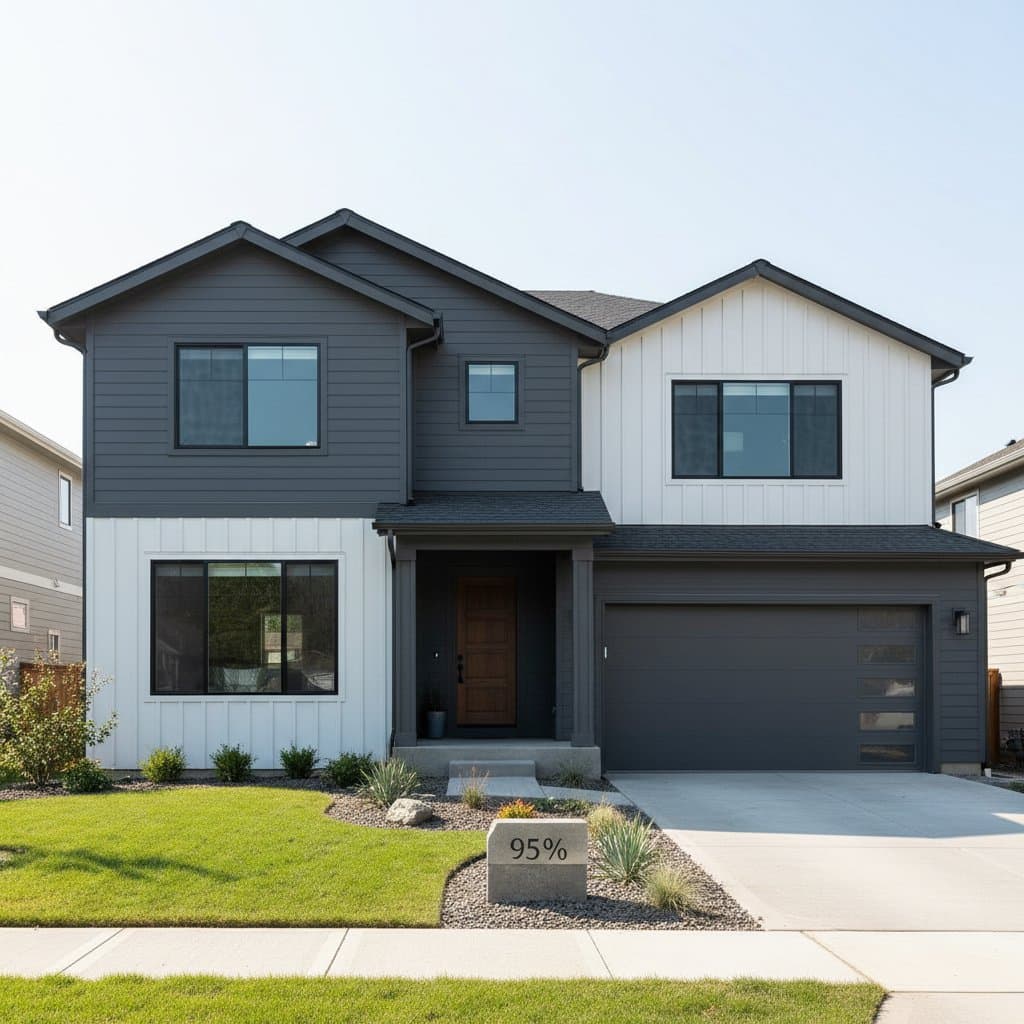
Introduction to Fiber Cement Siding
Fiber cement siding represents a composite material made from cement, sand, and cellulose fibers. This blend creates panels that mimic wood or other traditional sidings while providing superior resistance to weather and pests. Homeowners select it for projects aiming to increase property value, especially in markets where resale projections highlight strong returns.
In 2026, industry forecasts indicate that this siding type will recoup 95% of installation costs upon sale. Such performance stems from its balance of longevity and visual enhancement. Buyers appreciate homes that require less future investment in maintenance.
Key Benefits for Resale Value
Durability forms the cornerstone of fiber cement siding's appeal. The material withstands harsh conditions like heavy rain, high winds, and temperature fluctuations without warping or fading. This reliability translates to fewer repairs, which appeals to potential buyers evaluating long-term ownership costs.
Low maintenance requirements further elevate its value. Unlike wood siding, fiber cement does not demand regular painting or sealing to prevent rot. A simple cleaning routine suffices to preserve its condition over decades.
Curb appeal plays a significant role in resale success. Available in textures resembling cedar shakes or smooth panels, it allows customization that aligns with neighborhood styles. Enhanced exteriors often lead to quicker sales at premium prices.
Understanding Cost Factors
Initial expenses for fiber cement siding vary based on several elements. Material costs range from $10 to $20 per square foot, depending on style and thickness. Thicker panels offer greater impact resistance but increase the overall budget.
Labor charges add another layer, typically $5 to $12 per square foot. Factors such as home size, location accessibility, and regional labor rates influence this figure. Urban areas often see higher fees due to demand and logistics.
Additional considerations include preparation work like removing old siding or addressing underlying structural issues. Permits and inspections may apply, adding $500 to $2,000. Homeowners should obtain multiple quotes to identify cost-saving opportunities.
Installation Essentials
Proper installation ensures the siding performs at its best and maximizes ROI. Begin with a thorough assessment of the home's exterior, checking for moisture damage or uneven surfaces. Professionals recommend hiring certified installers familiar with local building codes.
The process involves securing a weather-resistant barrier over the sheathing. Panels then attach using corrosion-resistant fasteners, spaced to allow for natural expansion and contraction. Attention to seams and joints prevents water infiltration, a common issue in improper setups.
Timing matters for optimal results. Schedule work during mild weather to avoid complications from extreme temperatures. Complete projects typically span one to two weeks for average-sized homes, minimizing disruption.
Step-by-Step Installation Guide
- Prepare the surface by removing debris and old materials.
- Install house wrap or a similar barrier for protection.
- Measure and cut panels to fit precisely around windows, doors, and corners.
- Secure panels starting from the bottom, overlapping for drainage.
- Apply caulk to joints and paint if the finish requires it.
Design Strategies for Maximum Impact
Selecting the right style enhances both functionality and aesthetics. Horizontal lap siding provides a classic look suitable for most architectural designs. Vertical board-and-batten options add a modern, vertical emphasis that suits contemporary homes.
Color choices influence buyer perceptions. Neutral tones like grays and beiges offer broad appeal, while subtle accents can highlight architectural features. Consult color trends for 2026, which favor earthy palettes with matte finishes.
Integration with other elements boosts cohesion. Pair siding with complementary trim, roofing, and landscaping to create a unified exterior. Such thoughtful design elevates the home's market position and supports the high ROI projection.
Maintenance Tips for Longevity
Routine care keeps fiber cement siding in prime condition. Inspect annually for cracks or loose panels, addressing issues promptly to avoid escalation. Gentle washing with a mild detergent and soft brush removes dirt without damaging the surface.
Avoid abrasive cleaners or high-pressure washers, which can erode the finish. In coastal or polluted areas, more frequent checks help monitor salt or grime buildup. These practices extend the material's life beyond 50 years.
Professional touch-ups every 10 to 15 years refresh the appearance. Repainting becomes necessary only if the original factory finish dulls significantly. This infrequent need underscores the siding's cost-effectiveness over time.
Planning Your Project for Optimal Returns
Homeowners preparing for a siding upgrade should start with market research. Analyze local resale data to confirm the 95% ROI aligns with regional trends. Consult real estate experts to tailor the project to buyer preferences in your area.
Budget allocation proves crucial. Allocate funds for quality materials and skilled labor to achieve professional results. Financing options like home equity loans can spread costs, preserving cash flow.
Track the investment's impact post-installation. Document before-and-after photos and monitor energy efficiency gains from improved insulation. These elements not only justify the expense but also position the home favorably in 2026 listings.