
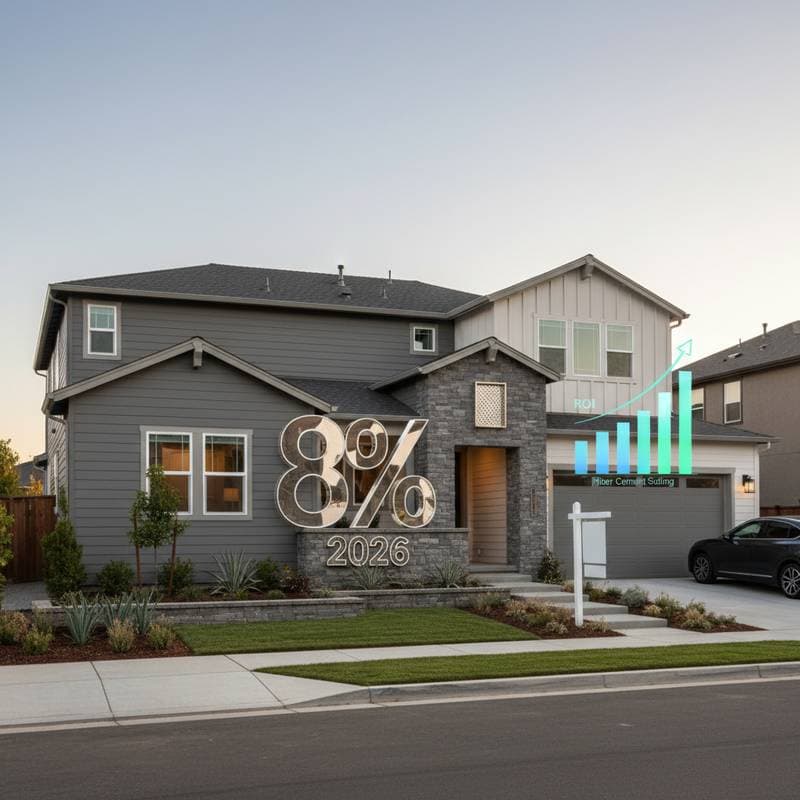
Understanding Fiber Cement Siding's 88% ROI Projection for 2026
Fiber cement siding stands out as one of the top exterior home improvements for return on investment. Industry forecasts indicate that this material recoups approximately 88 percent of its installation costs upon resale by 2026. Homeowners benefit from enhanced protection against environmental elements alongside a refined appearance that appeals to potential buyers. The appeal lies in its robust construction, which mimics premium materials while avoiding common pitfalls such as rapid deterioration or high upkeep demands.
This siding option combines cement, sand, and cellulose fibers into boards that withstand harsh weather conditions. Unlike traditional choices, fiber cement maintains structural integrity over decades, contributing to its strong financial payback. For a typical 2,000-square-foot home, installation costs range from $10,000 to $25,000, depending on regional labor rates and design complexity. That investment translates into increased property value, often adding thousands to the final sale price.
Exploring Styles and Material Choices
Fiber cement siding provides a range of profiles to complement various architectural styles. Homeowners select from lap, shingle, or panel configurations to achieve the desired aesthetic. Each option integrates seamlessly with existing home features, ensuring a cohesive exterior.
Lap siding features horizontal planks that create a classic, streamlined look ideal for traditional or ranch-style homes. Shingle styles evoke coastal or cottage charm, with overlapping pieces that add texture to gables or accents. Panels, often paired with battens, deliver a sleek, contemporary finish suitable for modern structures.
When comparing materials, fiber cement excels in longevity and resistance to common issues. The following table highlights key attributes:
| Material | Pros | Cons |
|---|---|---|
| Fiber Cement | Exceptional lifespan, fire-resistant, dimensionally stable | Heavier weight, needs specialized cutting tools |
| Vinyl | Affordable pricing, straightforward installation | Susceptible to fading and cracking in extreme temperatures |
| Wood | Authentic appearance, simple repairs | Vulnerable to moisture rot and insect damage |
| Engineered Wood | Reduced weight, quicker setup | Requires more frequent repainting |
To achieve visual harmony, limit the facade to two distinct textures. For instance, apply lap siding across primary walls and incorporate shingle accents on upper sections. Smooth trim around windows and doors provides clean lines and prevents visual clutter.
Fiber cement trim boards offer superior resistance to moisture-induced swelling compared to natural wood alternatives. Pair them with painted aluminum or PVC for added durability and ease of care. Select colors and finishes with consistent depth and sheen to unify the overall design.
Consider these tailored examples for inspiration:
- Ranch-Style Home: Opt for wide horizontal lap siding in a neutral palette, accented by substantial trim for grounded elegance.
- Colonial Two-Story: Combine lap siding on the base level with shingle details in the gables, using a vibrant body color offset by crisp white trim.
- Contemporary Design: Install large, seamless panels to emphasize clean geometry and minimalistic appeal.
Durability Features and Safety Considerations
Fiber cement siding demonstrates remarkable resilience against wind, hail, and fire hazards. The material remains stable in high temperatures, avoiding warping or combustion risks. Proper installation ensures it forms a reliable barrier, safeguarding the home's structure for generations.
Moisture poses the primary concern if protective layers degrade over time. Regular checks on caulk and paint prevent water infiltration that could lead to underlying damage. This proactive approach extends the siding's service life well beyond 50 years.
Implement these steps to optimize the building envelope:
- Install a continuous weather-resistive barrier directly behind the siding.
- Apply flashing meticulously around all joints, windows, and doors.
- Maintain a narrow expansion gap at trim edges, then secure with elastic caulk for flexibility.
Establish a consistent maintenance routine to preserve performance:
| Interval | Recommended Task |
|---|---|
| Annually in Spring | Clean surfaces using mild soap and a soft brush |
| Annually in Fall | Examine caulk lines and paint for wear |
| Every 10-15 Years | Apply fresh paint or spot-treat faded areas |
Steer clear of high-pressure washing, as it may force water beneath the boards and compromise the manufacturer's finish warranty. Instead, use gentle methods to remove dirt and debris.
Most manufacturers provide warranties ranging from 15 to 50 years, covering material defects and fading. Review specific terms during selection to align with your long-term plans.
Preparing for a Successful Fiber Cement Siding Project
Approach the project methodically to ensure optimal results and value retention. Begin by clarifying objectives, whether focused on boosting resale appeal, reducing ongoing maintenance, or refreshing the home's exterior.
Identify qualified contractors experienced in fiber cement installation. Seek certifications from organizations like the Fiber Cement Council and request references from recent projects. Compare at least three bids to gauge pricing and scope.
Request itemized quotes that detail old siding removal, surface preparation, trim work, and final painting. This transparency helps avoid surprises and confirms alignment with budget expectations.
Examine physical samples and temporary mockups under daylight conditions. This step verifies that colors and textures match your vision before full commitment.
Site preparation enhances efficiency and safety. Trim back vegetation, relocate outdoor items, and arrange clear pathways for material delivery and waste disposal.
During installation, oversee key phases. Confirm proper flashing placement prior to siding attachment, and inspect paint application uniformity at project completion.
Maximizing Long-Term Benefits with Fiber Cement Siding
Once installed, fiber cement siding integrates effortlessly into daily home life. Its low-maintenance nature frees time for enjoyment rather than upkeep, while the enhanced curb appeal fosters pride in ownership.
Homeowners report sustained energy efficiency gains from the material's insulating properties, potentially lowering utility bills. The fire-resistant qualities provide peace of mind in wildfire-prone areas.
As resale approaches, the 88% ROI underscores the strategic advantage. This upgrade not only protects your investment but also positions the property favorably in competitive markets. Consult local real estate trends to time the project for maximum impact.