
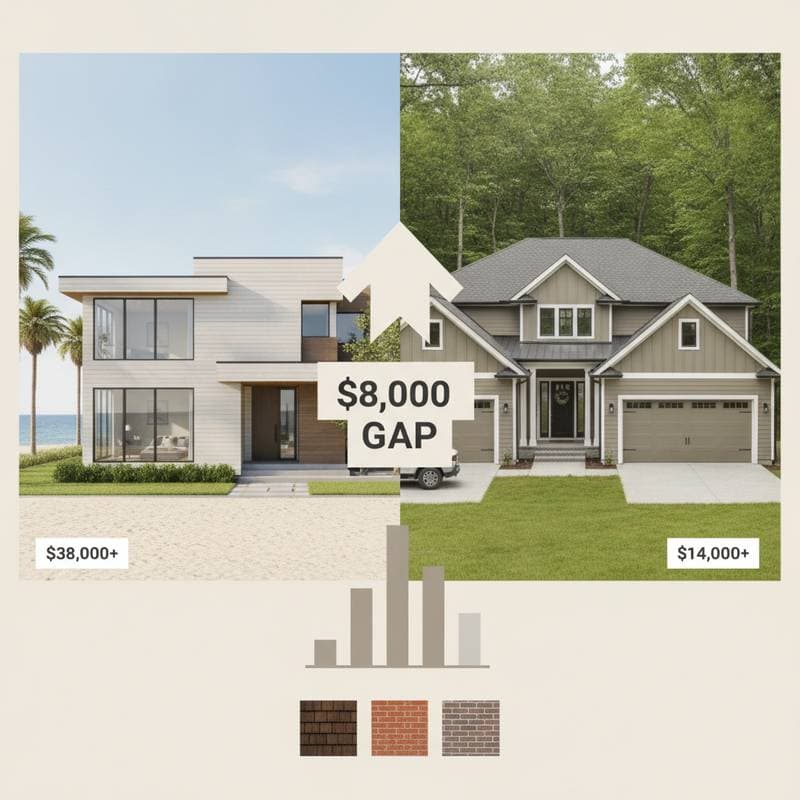
2026 Siding Costs: Regional Variations Reach $8,000
Homeowners planning a siding replacement encounter wider price differences across regions than in previous years. The same 2,000 square foot home can vary by as much as eight thousand dollars between coastal and inland markets. Labor rates, material access, delivery distances, and local code requirements all contribute to these spreads. Clear understanding of these factors supports realistic budgets and fair bid comparisons.
Cost, ROI, and Impact Factors
Three primary elements shape total siding expenses. These include surface area, material selection, and installation complexity. National averages range from seven to nineteen dollars per square foot for full removal and replacement, yet local quotes often diverge more sharply.
Key cost drivers include the following:
- Removal and disposal of old material adds one to three dollars per square foot. Lead paint or asbestos layers can double this amount.
- Multi story homes require extra staging and lift equipment, which increases labor costs by ten to twenty percent.
- Extensive trim, corner posts, and custom window details extend labor hours.
- Tight lot access or steep grades slow work and raise overall expenses.
- Urban coastal markets typically charge twenty five to thirty five percent more due to higher wages and permit fees.
Scale examples show the following ranges:
- Small home of 1,200 square feet: 10,000 to 18,000 dollars.
- Mid size home of 2,000 square feet: 16,000 to 30,000 dollars.
- Large home of 3,000 square feet: 24,000 to 45,000 dollars.
Return on investment rises when the new profile improves curb appeal and lowers future maintenance. Buyers interpret fresh siding as evidence of overall home care, which can accelerate sales and support stronger offers.
Compare cost per square foot only after confirming inclusions for removal, trim work, and insulation wrap. A low bid that omits these items frequently leads to higher totals through change orders.
Design for Curb Appeal
A siding project alters the visual presence of a home more than most other exterior improvements. Buyers register contrast, symmetry, and color tone before they evaluate material type.
Design fundamentals include these practices:
- Align siding lines with roof slopes and window heads to maintain proportion. Wide horizontal panels create a lower, longer appearance, while vertical patterns add perceived height.
- Use white or light trim against darker siding to sharpen edges and improve photographic quality.
- Select mid range grays, taupes, or earthy greens for broad resale appeal. Deep colors draw attention yet may fade more quickly in direct sun.
- Emphasize the entry with clean trim lines around doors and porch columns. Update house numbers and add balanced lighting to complete the refreshed look.
A balanced layout and neutral color field deliver the highest perceived value across most buyer segments.
Maintenance and Longevity
Most siding materials endure for decades when cleaned and inspected on schedule. Neglect shortens service life and may void warranties.
Follow this maintenance checklist:
- Wash siding with mild soap and water once per year using a soft brush or low pressure rinse.
- Inspect caulk and joints twice per year and replace any cracked or missing sealant.
- Repaint or restain wood surfaces every five to seven years after light sanding and application of two coats.
- Check for pest entry or nests on a seasonal basis and clear debris near soffits and corners.
- Clear gutters and downspouts twice per year to maintain drainage and prevent splashback.
Replace damaged panels promptly to block water intrusion. Avoid pressure washers that force water behind laps. Touch up fiber cement and metal with manufacturer approved coatings to maintain corrosion resistance.
Product warranties typically cover manufacturing defects rather than labor or neglect. Retain dated photos and invoices to support any future claim.
Routine cleaning and prompt repair cost far less than large scale panel replacement later.
Planning Your Project Timeline
Schedule material orders and contractor selection during milder weather to avoid peak season delays. Confirm permit requirements early and coordinate inspections to keep work on track. These steps reduce surprises and help the finished siding deliver lasting value.