
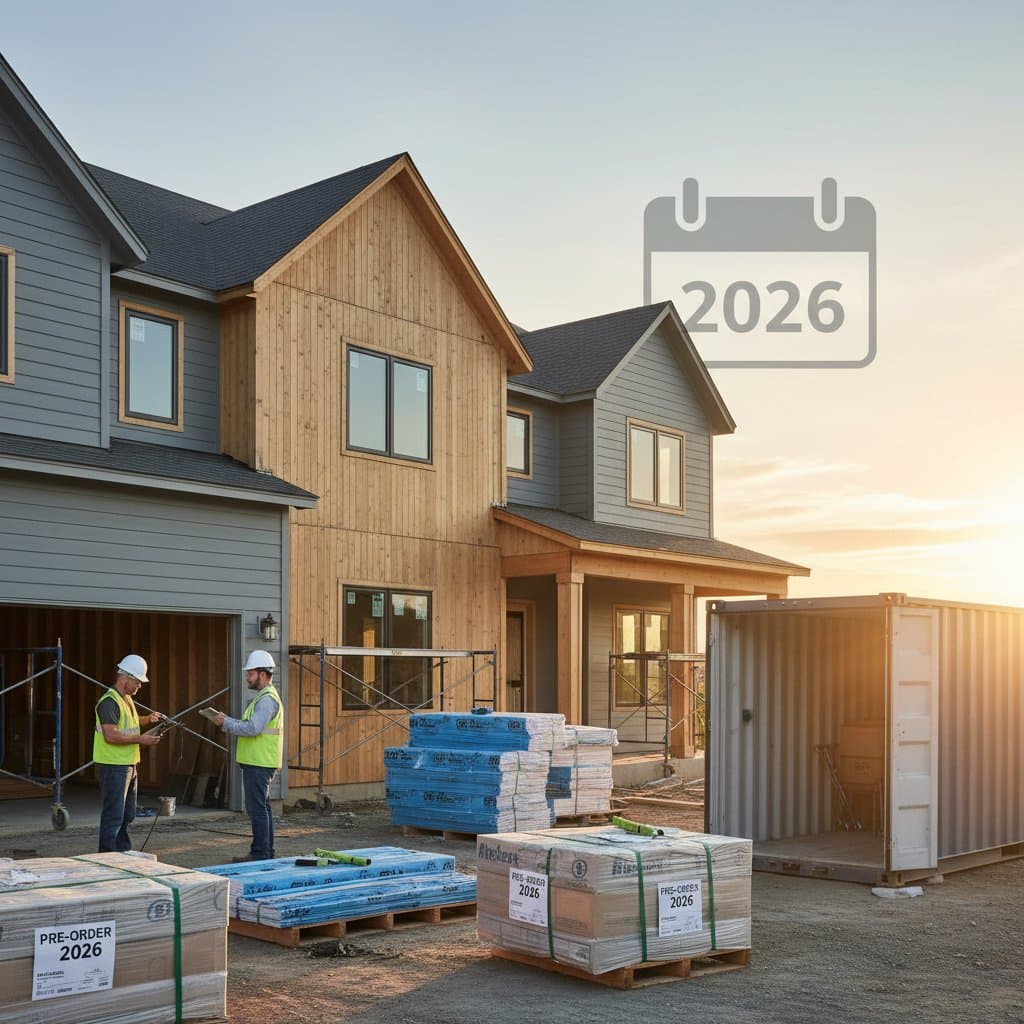
Prepare for Siding Shortages: Order Materials Before 2026
Homeowners embarking on siding replacement or new construction projects face increasing challenges from supply chain disruptions. Production constraints already impact fiber cement, vinyl, and engineered wood, leading to extended lead times, fewer color choices, and regional delays that stretch projects by months. Contractors advise securing materials early, arranging storage solutions, and fixing prices to avoid escalating costs as demand intensifies.
Essential Cost and Planning Strategies
Navigating a constrained market requires careful attention to pricing, scheduling, and sourcing. Materials transported over long distances or produced in limited quantities often incur higher fees. Homeowners benefit from detailed planning that anticipates these variables.
Installed Cost Ranges
- Vinyl siding: 6 to 10 dollars per square foot, covering installation, removal of old materials, disposal, and standard trim work.
- Fiber cement siding: 8 to 14 dollars per square foot, accounting for the same elements plus its added weight and handling requirements.
- Engineered wood siding: 10 to 18 dollars per square foot, reflecting premium processing and finish options.
These estimates apply to standard installations. Expenses increase for homes with high walls, multiple levels, or intricate designs that demand extra labor and support structures.
Key Factors Influencing Costs
- Sourcing Materials: Fiber cement imported from overseas encounters shipping bottlenecks and import duties, which elevate final prices.
- Color and Finish Options: Desirable factory-applied colors or custom shades extend production timelines by several weeks.
- Labor Availability: Skilled teams book schedules far in advance in high-demand areas, resulting in elevated quotes.
- Transportation Expenses: Freight charges for cross-country delivery vary with fuel prices, adding unpredictability to budgets.
- On-Site Storage Needs: Purchasing ahead requires protected spaces, such as covered sheds or temperature-controlled units, to prevent damage from elements.
Project Timeline Management
Standard siding installations progress from initial bids to final walkthroughs in six to ten weeks under normal conditions. Shortages, however, can double this duration. To mitigate risks, place material orders prior to booking demolition dates. Secure written commitments on delivery schedules and incorporate extra time for potential weather interruptions or required inspections.
Navigating Permits and Site Preparation
Local authorities typically mandate permits for siding work to ensure compliance with building standards. Inspectors often verify the installation of weather barriers, proper fastener placement, and adherence to energy efficiency codes. Coordinate approvals for scaffolding, equipment staging, and vehicle access to the property well before delivery trucks arrive, avoiding costly rework.
Effective Budget Safeguards
Incorporate a fixed-price clause for materials in contracts, effective upon supplier confirmation of the order. Steer clear of vague allowances that expose you to price fluctuations. Monitor all modifications closely; even minor changes to trim or accents accumulate significant charges amid rising material values.
Options for Partial Updates
When current siding remains structurally intact, targeted repairs offer a cost-effective alternative to full replacement. Focus on affected sections, such as storm-damaged panels or faded trim, to extend the life of existing installations. Maintain records of original colors, profiles, and manufacturers to facilitate seamless future integrations.
Material Durability and Performance Essentials
Each siding type presents unique strengths in weathering, fire resistance, and maintenance demands. Selecting based on local climate and home design ensures long-term satisfaction. Understanding these attributes guides informed decisions during shortages.
Handling Weather Exposure
Regions with high humidity or proximity to water demand robust moisture control. Position a dedicated drainage layer beneath the siding and opt for corrosion-resistant fasteners like stainless steel. In areas prone to freezing and thawing, regular joint inspections prevent cracks in sealants that could lead to water infiltration.
Fire Safety and Impact Durability
Fiber cement excels in fire resistance, meeting stringent codes without additional treatments, while also deterring rot and pests. Vinyl performs reliably in shedding rainwater but may warp in extreme temperatures above 140 degrees Fahrenheit. Engineered wood provides superior structural integrity and thermal benefits, provided it receives protective coatings.
Routine Maintenance Practices
Clean surfaces biannually with a gentle brush and neutral soap solution to remove dirt without compromising finishes. Pressure washing risks forcing moisture into gaps, so reserve it for minor spot treatments only. For fiber cement and engineered wood, refresh sealants and paints every 10 years to uphold manufacturer warranties and extend service life.
Understanding Warranties
Most siding products come with warranties ranging from 25 to 50 years, covering defects in materials and fading. Fiber cement often includes lifetime guarantees against rot when installed correctly. Vinyl warranties focus on cracking and peeling, while engineered wood protections emphasize delamination if properly sealed. Review terms for installation prerequisites, such as certified applicators, and retain all documentation. Claims require proof of maintenance adherence, so log cleaning dates and inspections meticulously.
Sustaining Your Siding Investment
During periods of material scarcity, adaptability preserves both aesthetics and functionality. Store excess panels in labeled, moisture-free environments for quick access during repairs. Conduct annual spring assessments to tighten fasteners and refill caulk, addressing issues before they escalate. Document batch codes and installation details to match replacements if shortages recur. This proactive approach not only safeguards warranties but also enhances property appeal for future sales.