
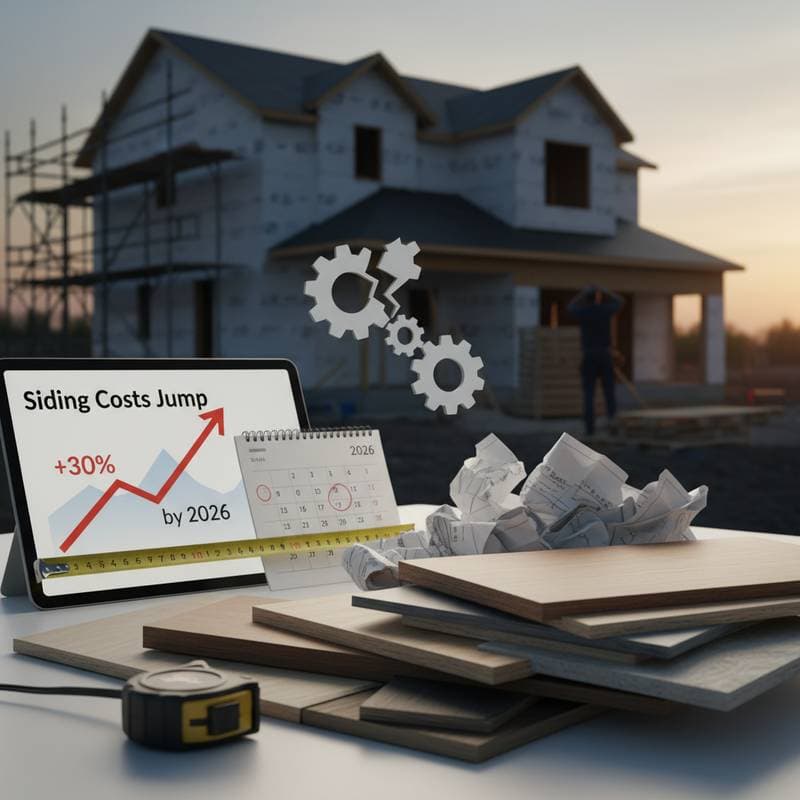
Siding Prices Forecast to Increase 30% Amid Supply Constraints
Homeowners who plan exterior renovations must anticipate elevated siding expenses. Constraints on supply, shortages of skilled labor, and rising costs for raw materials drive average siding prices upward by an estimated 30 percent. Homeowners benefit from examining how these shifts influence property value, investment returns, and ongoing ownership expenses to reach informed decisions prior to project initiation.
Project Overview
Scope: Complete siding replacement or initial installation
Duration: One to three weeks, based on home dimensions and weather factors
Difficulty: Moderate to high, involving labor coordination and material management
Typical Cost Range: $9 to $18 per square foot for installation
Projected Price Increase: 25 to 30 percent
Key Challenges: Availability of labor, supplies of resin and fiber, delays in shipping
Selecting Materials and Profiles
Choices in siding materials hold increased financial importance at present. Delays in supply and fluctuations in cost require homeowners to evaluate both accessibility and performance over the material's lifespan.
Material Comparison
| Material Type | Average Cost (Installed) | Durability | Maintenance Level | Fire & Moisture Resistance | Typical Warranty |
|---|---|---|---|---|---|
| Vinyl | $9–$13 per sq. ft. | 20–30 years | Low | Good moisture, poor fire | 20–25 years |
| Fiber Cement | $12–$18 per sq. ft. | 30–50 years | Moderate | Excellent fire, strong moisture | 30–50 years |
| Engineered Wood | $11–$17 per sq. ft. | 25–40 years | Moderate | Good fire, good moisture | 25–30 years |
| Natural Wood | $14–$20 per sq. ft. | 20–40 years | High | Poor fire, fair moisture | 15–25 years |
| Metal (Steel or Aluminum) | $13–$19 per sq. ft. | 30–50 years | Low | Excellent fire, excellent moisture | 30–40 years |
Integrating Textures Effectively
Homeowners achieve cost control and visual interest by combining materials, yet moderation proves essential. Restrict accent materials to 15 to 25 percent of the total wall surface. Employ uniform trim colors to create cohesion and prevent disjointed appearances. Vertical elements, including gables or dormers, serve as ideal locations for accent patterns such as board-and-batten or shingles.
Key Insight: Select materials aligned with personal maintenance preferences and local climate conditions. In periods of limited supply, adaptability in color or texture selections maintains project timelines.
Ensuring Installation Excellence and Mitigating Risks
Substandard installation diminishes the longevity of superior materials. With escalating prices, shortcuts in preparation or flashing application result in substantial future repair expenses.
Building Envelope Safeguards
The effectiveness of siding depends on the protective layer beneath it. Implement a continuous weather-resistant barrier with taped seams and sealed penetrations to block moisture intrusion. Install kick-out flashing at roof-wall junctions and incorporate weep mechanisms at window sills to address common vulnerability areas.
Frequent Installation Issues
- Omission of flashing behind trim elements
- Spaces at horizontal joints
- Overdriven nails that induce buckling
- Irregular starter strips that produce uneven courses
Preparation of Site and Neighbor Relations
Position material storage to avoid interference with driveways or adjacent fences. Inform neighbors of project commencement dates and anticipated noise. Confine debris and arrange for daily removal to preserve surroundings and foster positive interactions.
Key Insight: Demand adherence to established installation protocols, documented in writing. Define a comprehensive project outline and conduct regular quality assessments to secure warranty validity and enduring performance.
Choosing Contractors and Evaluating Bids
Amid fluctuating material costs, bids that provide full transparency become indispensable. A detailed project description shields against unexpected expenses during execution.
Essential Bid Components
- Specification of material type and manufacturer
- Inclusion of underlayment or weather barrier
- Details on trim and flashing applications
- Responsibilities for disposal and site cleanup
- Expenses related to permits and inspections
- Payment terms linked to project milestones
Analyzing Bid Proposals
Require contractors to itemize expenses for materials, labor, and waste removal. Such breakdowns facilitate accurate comparisons. Approach bids that appear exceptionally low with caution, as they may exclude preparation or demolition tasks. Legitimate proposals encompass removal of existing siding and necessary repairs to the underlying structure.
Structuring Payments
Establish an equitable payment plan, such as:
- Initial Deposit: 10 to 20 percent upon contract execution to cover material procurement.
- Progress Payment: Upon completion of demolition and installation of the weather barrier.
- Final Settlement: Following final inspection and approval by the homeowner.
Managing Project Risks
Obtain verification of insurance coverage and solicit references from completed undertakings. Verify that installation personnel hold certifications for the selected siding products. These credentials uphold warranty terms and minimize the likelihood of subsequent issues.
Key Insight: Prioritize contractors with verified expertise over those offering the lowest rates. A thorough project specification and payments tied to achievements promote mutual responsibility.
Safeguarding Investment Through Informed Choices
Anticipating a 30 percent escalation in prices demands foresight and preparation, yet deliberate actions today preserve asset worth over extended periods. Prioritize materials suited to individual upkeep routines, confirm the caliber of installation, and incorporate cost growth into financial projections. Properties featuring meticulously installed, minimal-maintenance siding command premium market prices and incur reduced long-term expenses. In an era of constrained resources, precision in planning, thorough records, and consistent care equip homeowners to maximize the durability and appeal of their exteriors.