
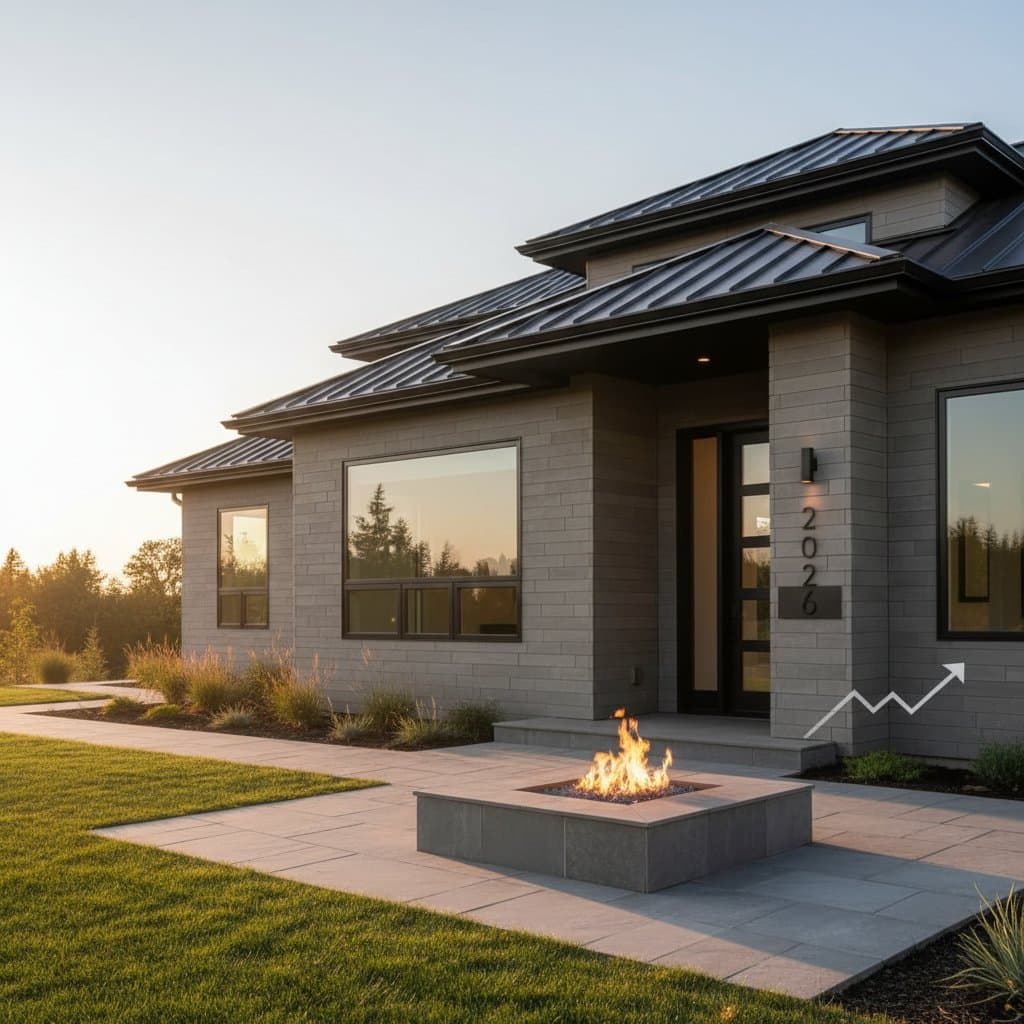
Understanding the 95% ROI Appeal of Fiber Cement Siding
Homeowners considering siding replacements focus increasingly on elements that enhance safety and financial returns. Fiber cement siding achieves an average return on investment of approximately 95 percent, largely due to its inherent fire resistance and reduced maintenance needs. This blend of reliability and security fosters greater buyer trust across diverse real estate markets. The sections below detail how fiber cement influences property valuation, associated expenses, and ongoing home management.
Selecting the Right Material and Profile
Fiber cement siding consists of Portland cement, sand, and cellulose fibers, creating a composite that withstands fire, pests, and decay. Many products earn non-combustible classifications, aiding compliance with stringent fire regulations in various regions. Although highly moisture-resistant, installation demands careful attention to flashing and sealing to prevent issues. Homeowners benefit from profiles that align with architectural styles, ensuring both functionality and visual harmony.
Key fiber cement profiles include:
| Profile Type | Appearance | Durability | Maintenance | Additional Notes |
|---|---|---|---|---|
| Lap plank | Traditional horizontal boards | Excellent | Low | Most widely used; offers clean, straightforward lines |
| Shingle style | Textured to resemble cedar shakes | Excellent | Low | Introduces varied patterns for added visual depth |
| Panel with batten strips | Modern vertical orientation | Excellent | Low | Favored in contemporary designs for a sleek look |
Combining profiles enhances design interest, such as using lap plank on main walls and shingle style on gables. However, excessive variations in texture or direction can disrupt the overall aesthetic balance. Professional designers recommend limiting combinations to one primary profile and a single accent to maintain cohesion.
Practical recommendation: Select a dominant profile complemented by at most one accent. Ensure trim elements and joint treatments remain uniform across all exterior surfaces for a polished result.
Ensuring High-Quality Installation
Installation quality directly safeguards the home's integrity and upholds manufacturer warranties. Workers must create precise gaps at joints, followed by thorough caulking, to block water penetration. Continuous flashing proves essential at critical junctures, including above windows, doors, and where walls meet roofs. Common vulnerabilities arise from overlooked butt joints or absent kick-out flashings, which can lead to premature deterioration.
Safety protocols require specialized tools, such as blades designed for fiber cement, along with respirators to manage dust and secure scaffolding for stability. Effective site oversight includes measures for dust suppression, prompt debris clearance, and designated safe pathways, all of which minimize disruptions and neighbor concerns.
Practical recommendation: Inquire with potential contractors about their approaches to flashing and cutting techniques. Prioritize teams certified in fiber cement handling to reduce the likelihood of future repairs.
Common Installation Pitfalls to Avoid
Overlooking proper ventilation behind the siding can trap moisture, accelerating wear. Inadequate support for longer panels risks sagging over time. Always verify that crews follow manufacturer guidelines for fastener spacing and panel alignment to prevent warping or uneven settling.
Choosing and Evaluating Contractors
Selecting a reliable contractor begins with soliciting comprehensive bids that outline essential project components. These documents should specify the fiber cement material grade and thickness, along with details on weather barriers and flashing materials. Bids must also cover trim selections, fastener specifications, waste disposal methods, required permits, and any planned paint applications.
Compare proposals not only on price but also on timelines, references from similar projects, and evidence of insurance coverage. Reputable firms often provide portfolios showcasing past fiber cement installations, highlighting their expertise in diverse climates and home styles.
Practical recommendation: Request at least three bids and conduct interviews to assess communication styles and problem-solving approaches. Verify credentials through local building associations to ensure accountability.
Budgeting for Maximum Value
Initial costs for fiber cement siding typically range from moderate to higher depending on profile complexity and home size, yet the 95 percent ROI justifies the expenditure. Factor in preparation work, such as removing old siding, and potential upgrades to underlying structures. Smart budgeting allocates 10 to 15 percent for contingencies like weather delays or unforeseen repairs.
Long-term savings emerge from reduced insurance premiums in fire-prone areas and minimal ongoing expenses. Homeowners report that investing in premium finishes, such as factory-applied coatings, further preserves appearance and value.
Practical recommendation: Develop a detailed budget spreadsheet tracking material, labor, and ancillary costs. Consult financing options early to spread payments without straining resources.
Maintaining Your Fiber Cement Siding
Routine care keeps fiber cement siding in optimal condition, supporting its durability and aesthetic appeal. Annual inspections focus on caulk integrity and flashing security, with prompt resealing as needed. Gentle cleaning using low-pressure washes removes dirt without damaging the surface; avoid harsh chemicals that could etch the material.
In regions with heavy pollen or salt exposure, more frequent rinsing prevents buildup. Professional touch-ups every five to seven years refresh color and protect against UV fading, extending the siding's lifespan beyond 50 years.
Practical recommendation: Schedule seasonal checks and document maintenance activities to track performance. This proactive approach not only preserves the investment but also strengthens resale documentation.
Realizing Long-Term Benefits
Fiber cement siding contributes substantial value through enhanced safety features, resilient construction, and attractive finishes. In certain locales, it qualifies for lower insurance rates due to fire-resistant properties, providing immediate financial relief. Buyers appreciate the assurance of a material that endures environmental stresses, translating to quicker sales and higher offers.
With meticulous installation and consistent upkeep, this siding sustains its 95 percent return on investment over decades. Homeowners enjoy a facade that requires little intervention while elevating curb appeal and overall property prestige.