
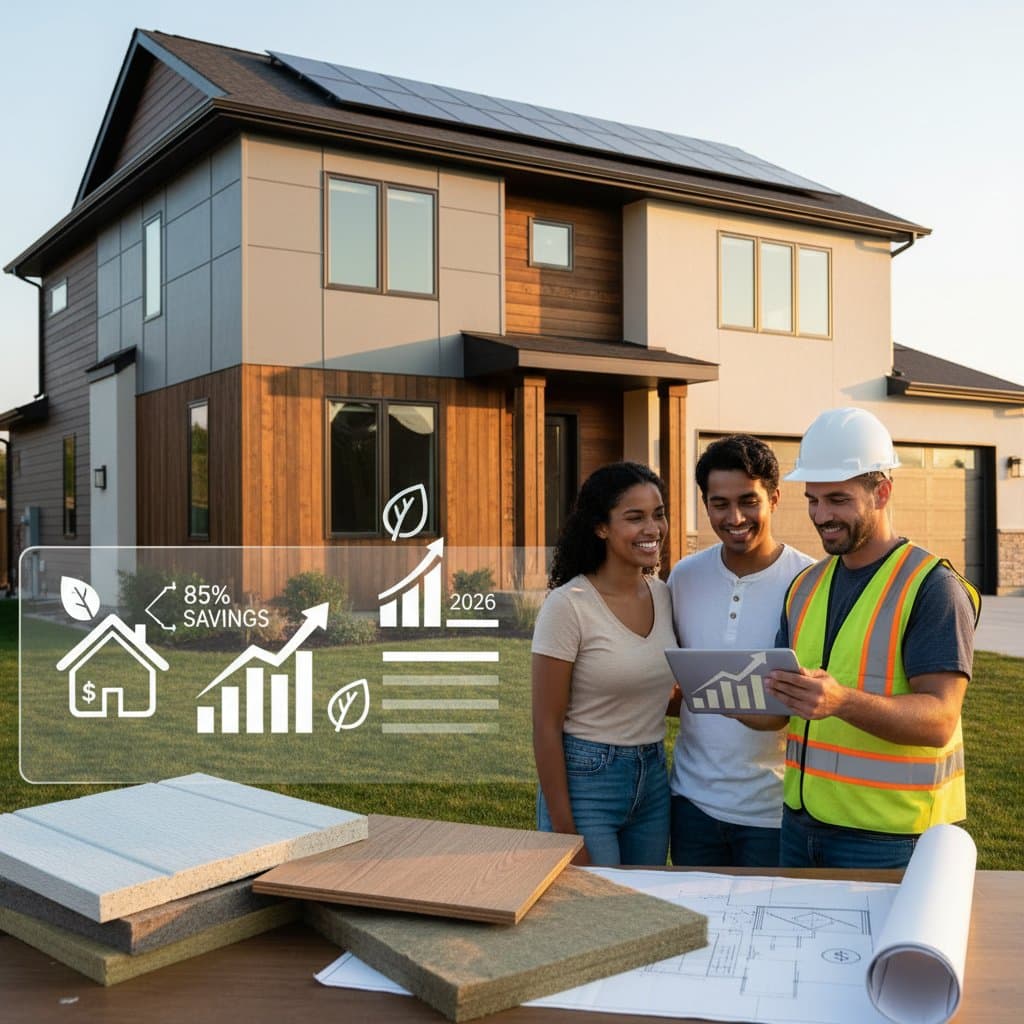
Save Big with 2026 Federal Siding Rebates and Credits
Replacing home siding ranks among the most visible improvements a homeowner can complete. The 2026 federal rebate and credit programs offset costs for energy efficient options while raising comfort levels and resale prices. This guide covers how the incentives operate, which materials meet standards, and how to complete a project that delivers strong returns.
Cost, ROI, and Impact Factors
Energy efficient siding delivers value right away and over time. Federal incentives lower initial outlays. Better insulation and reduced air leaks cut monthly utility bills. Homeowners typically recover 65 to 85 percent of project costs through higher resale prices and energy savings.
Estimated ranges by project size:
- Small home (1,200 sq ft): 10,000 to 18,000
- Mid size home (2,000 sq ft): 18,000 to 30,000
- Large home (3,000 sq ft or more): 30,000 to 45,000 and above
Primary cost drivers:
- Removal and disposal of old siding adds 1 to 3 per square foot.
- Wall complexity such as multiple stories or dormers increases labor time.
- Material grade affects price, with vinyl and fiber cement remaining cost effective choices.
- Site access on tight lots or steep grades raises setup expenses.
- Upgraded weatherproofing layers add protection and total cost.
Apply rebate savings toward better barriers and insulation instead of reducing those elements. This choice improves durability and guards against water damage that could lower future sale prices.
Design for Curb Appeal
Strong siding design lifts both market value and buyer interest. Materials that save energy lose impact when lines, colors, or transitions appear unbalanced.
Keep horizontal lines level and align siding breaks with window heads. Balanced spacing around openings makes the house look well proportioned. Mid tone neutrals with subtle gray or beige undertones photograph well and appeal to most buyers. Dark shades absorb extra heat and may expand, while very light colors show dirt quickly.
Accent the entry with contrasting trim or vertical panels. Add clear house numbers and balanced lights to lift curb appeal at modest cost. Good design turns energy savings into stronger resale performance.
Maintenance and Longevity
Energy efficient siding needs regular checks to preserve looks and thermal performance. Neglect can void warranties and reduce the benefit of federal incentives.
Wash surfaces once a year with mild soap and a soft brush. Skip high pressure washers that force water behind panels. Inspect every spring and fall for cracks, loose fasteners, and gaps at windows and doors. Trim plants six inches from walls and clear gutters to prevent moisture damage.
Keep all receipts, installation records, and certification documents. These papers prove compliance with rebate rules and support warranty claims. Follow this checklist each year:
- Clean exterior surfaces.
- Re seal joints and caulk.
- Repaint or refinish on the manufacturer schedule.
- Check for warping or pest damage twice a year.
Living With Your Choice
Installed siding improves daily comfort through steadier indoor temperatures and quieter rooms. Buyers notice lower operating costs, which can shorten selling time and support higher offers.
Store copies of all rebate forms with home records. They confirm energy savings for future buyers or appraisers. Photograph each installation stage, keep spare materials for color matched repairs, and schedule a professional review every five years.
Common issues include warping from tight nailing, gaps at joints, and faded finishes. Fix warping by removing and reinstalling panels with correct spacing. Apply exterior rated sealant to gaps. Clean surfaces thoroughly before repainting.
Protect Your Investment Over Time
Federal incentives lower the barrier to energy efficient siding, yet lasting performance depends on continued care. Consistent cleaning, documented upkeep, and proper warranty handling keep the siding effective for decades. Careful planning and thorough records turn a required update into lasting savings on utilities and stronger property value.